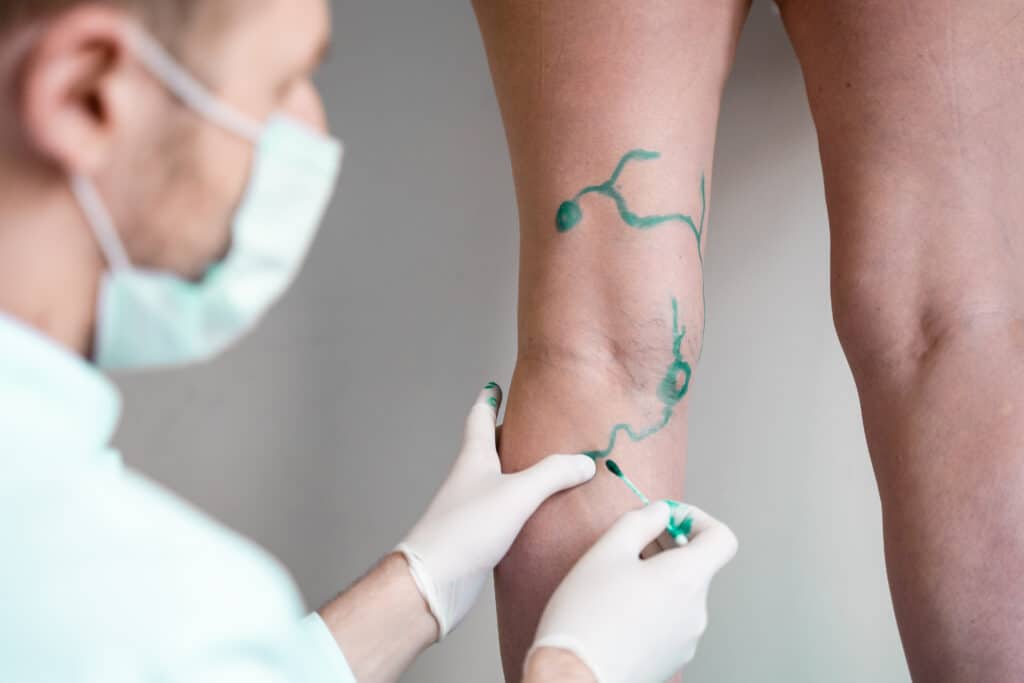


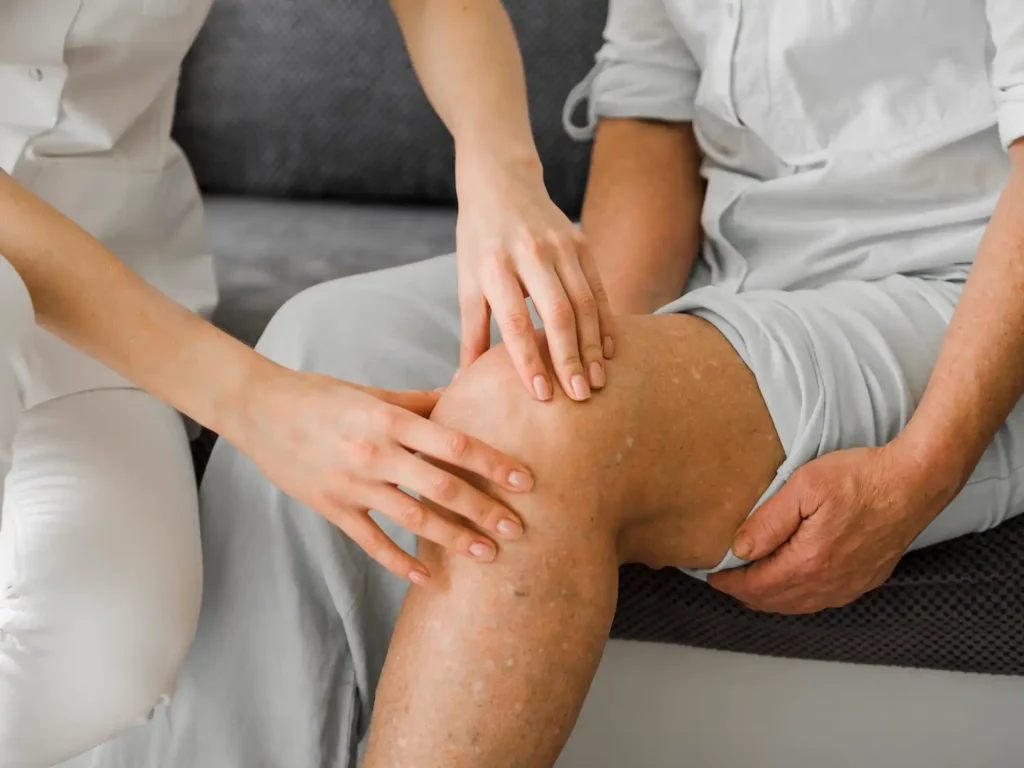
Varicose veins are more than a cosmetic concern. For many people in Dubai, they come with discomfort, heaviness in the legs, and sometimes even pain that interferes with daily life. Standing for long hours, heat exposure, and lifestyle factors all contribute to why this condition is so common in the region.
The good news is that modern, minimally invasive treatments have made it easier than ever to manage and treat varicose veins without surgery. Among the most commonly recommended options are laser treatment and sclerotherapy.
But which one is right for you?
This guide breaks it down in a clear, practical way—so you can make an informed decision based on your condition, lifestyle, and expectations.
Understanding Varicose Veins
Before comparing treatments, it helps to understand what’s actually happening beneath the surface.
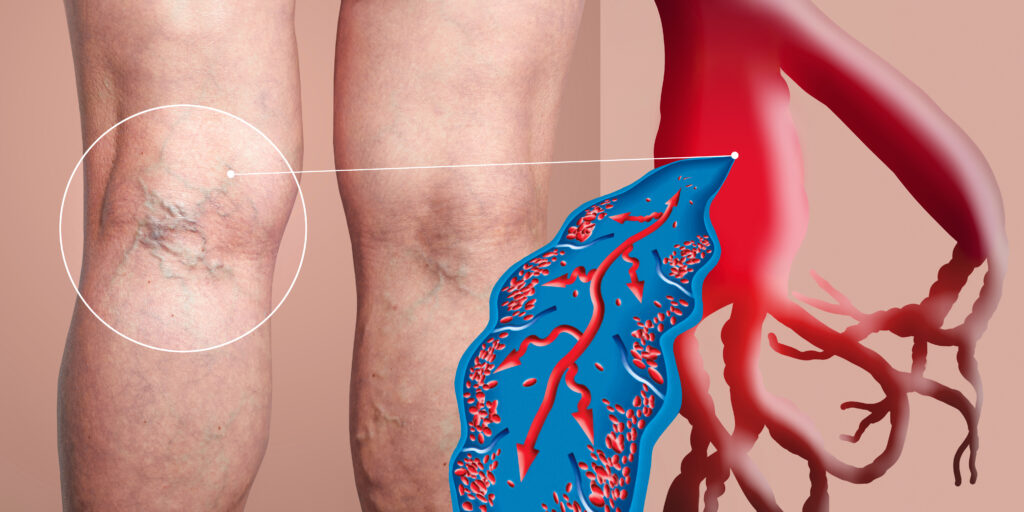
Varicose veins occur when the valves inside your veins weaken or stop functioning properly. Instead of flowing upward toward the heart, blood begins to pool in the veins—causing them to enlarge and become visible under the skin.
Common symptoms include:
- Visible, twisted veins (usually on legs)
- A heavy or aching sensation
- Swelling around ankles
- Burning or throbbing discomfort
- Itching around the veins
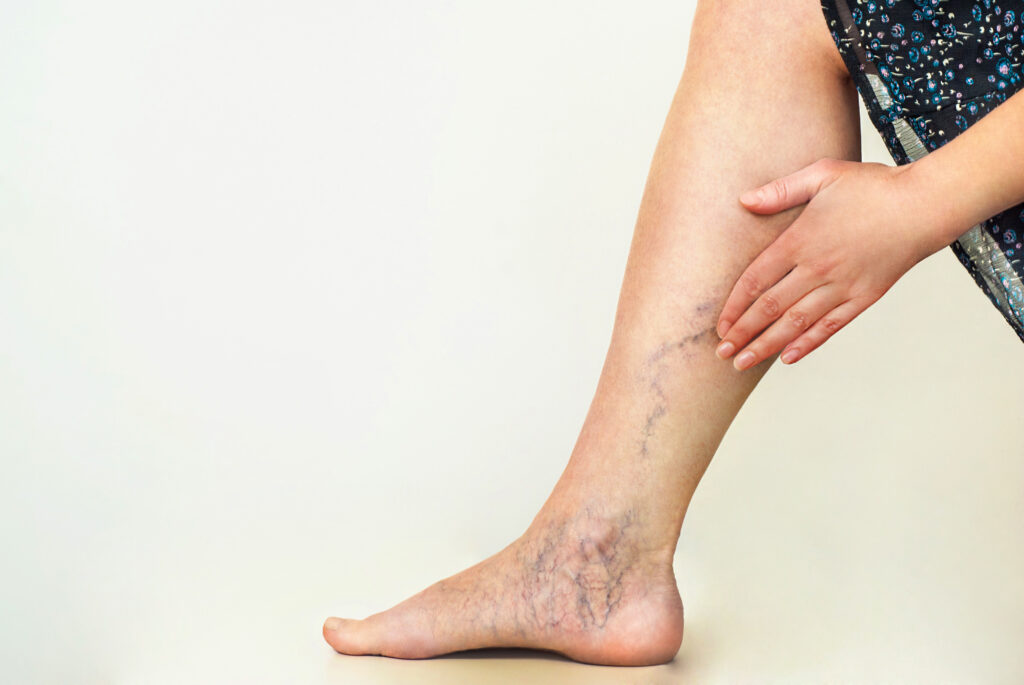
In milder cases, these appear as spider veins, which are smaller but still noticeable.
Why Minimally Invasive Treatments Are Preferred
In the past, treating varicose veins often meant undergoing surgery. Today, most patients in Dubai opt for minimally invasive vein treatment, which offers:
- No hospital stay
- Minimal downtime
- Reduced discomfort
- Faster recovery
- Effective long-term results
This is why both laser treatment for varicose veins Dubai and sclerotherapy Dubai have become widely recommended.
Laser Treatment for Varicose Veins
Laser treatment, often referred to as Endovenous Laser Therapy (EVLT), is commonly used for larger varicose veins.
How it works
A thin laser fiber is inserted into the affected vein. Heat from the laser causes the vein to collapse and seal shut. Over time, the body naturally absorbs the treated vein.
What to expect
- Performed under local anesthesia
- Takes about 30–60 minutes
- Patients can walk immediately after
- Compression stockings may be recommended
Benefits
- Highly effective for larger veins
- Minimal scarring
- Long-lasting results
- Quick return to normal activities
Considerations
- Slight bruising or tightness may occur
- Mild discomfort for a few days
For patients dealing with prominent, bulging veins, this method is often the first recommendation when considering varicose vein treatment Dubai.
Sclerotherapy for Varicose and Spider Veins
Sclerotherapy is a well-established treatment used primarily for smaller veins and spider veins.
How it works
A medical solution is injected directly into the vein. This irritates the lining, causing it to collapse and eventually fade from view.
What to expect
- Quick in-clinic procedure
- No anesthesia required
- Multiple sessions may be needed
- Gradual improvement over weeks
Benefits
- Ideal for spider veins and smaller varicose veins
- Minimal discomfort
- No downtime
- Affordable and accessible
Considerations
- May require repeat sessions
- Results are gradual, not immediate
For those looking for spider veins treatment Dubai, this remains one of the most effective and commonly used solutions.
Laser vs Sclerotherapy: Key Differences
Choosing between the two depends on the size, severity, and location of your veins.
1. Type of veins treated
- Laser: Larger, deeper veins
- Sclerotherapy: Smaller, superficial veins
2. Procedure approach
- Laser: Uses heat energy inside the vein
- Sclerotherapy: Uses injected solution
3. Recovery time
- Both offer quick recovery
- Laser may involve slightly more post-procedure care
4. Number of sessions
- Laser: Often one session is enough
- Sclerotherapy: Multiple sessions may be needed
5. Results
- Laser: Faster closure of large veins
- Sclerotherapy: Gradual fading of smaller veins
In many cases, specialists recommend a combination of both treatments for optimal results.
Which Treatment Is Right for You?
There’s no one-size-fits-all answer.
The right approach depends on:
- Severity of your condition
- Type and size of veins
- Your medical history
- Lifestyle and daily activity level
A proper consultation usually involves a physical examination and sometimes a duplex ultrasound to assess blood flow.
At a specialized center offering minimally invasive vein treatment, doctors often tailor a plan that combines both effectiveness and comfort.
Why Early Treatment Matters
Many people delay treatment because they assume varicose veins are only cosmetic.
But over time, untreated veins can lead to:
- Increased pain and swelling
- Skin changes
- Ulcers in severe cases
- Risk of blood clots
Seeking early varicose vein treatment Dubai not only improves appearance but also prevents complications.
Recovery and Aftercare
Regardless of the treatment you choose, aftercare plays an important role in results.
General recommendations include:
- Wearing compression stockings
- Staying active with light walking
- Avoiding prolonged standing or sitting
- Keeping follow-up appointments
Most patients resume normal activities the same day, which is one of the biggest advantages of minimally invasive vein treatment.
Final Thoughts
Choosing between laser and sclerotherapy doesn’t have to be confusing.
Both treatments are safe, effective, and widely used across Dubai. The key is understanding what each option offers—and selecting the one that matches your specific condition.
If your concern is larger, bulging veins, laser treatment may be the better fit. If you’re dealing with smaller, visible veins, sclerotherapy could be the ideal solution.
In many cases, the best results come from a combination approach guided by an experienced specialist.