

Stem Cell Therapy Explained: What Conditions Can Be Treated and Who Is a Suitable Candidate?
Orthopedic conditions such as joint pain, cartilage damage, and sports injuries can significantly affect mobility and quality of life. In recent years, stem cell therapy for orthopedic conditions has emerged as a promising regenerative treatment, offering patients an alternative to long-term medication or invasive surgery.
At German Medical Center, orthopedic stem cell therapy is delivered through evidence-based protocols, focusing on patient safety, precise diagnosis, and realistic outcomes.
What Is Orthopedic Stem Cell Therapy?
Orthopedic stem cell therapy is a form of regenerative medicine that uses the body’s own stem cells to support healing in bones, joints, cartilage, ligaments, and tendons. These stem cells have the ability to stimulate tissue repair and reduce inflammation in damaged orthopedic structures.
Unlike conventional treatments that mainly manage symptoms, orthopedic stem cell therapy targets the underlying cause of pain and degeneration, making it an appealing option for patients seeking long-term improvement.
How Stem Cell Therapy Works in Orthopedics
The treatment process is carefully planned and typically includes the following steps:
1. Stem Cell Collection
Stem cells are usually harvested from bone marrow or adipose (fat) tissue, as these sources are rich in regenerative cells.
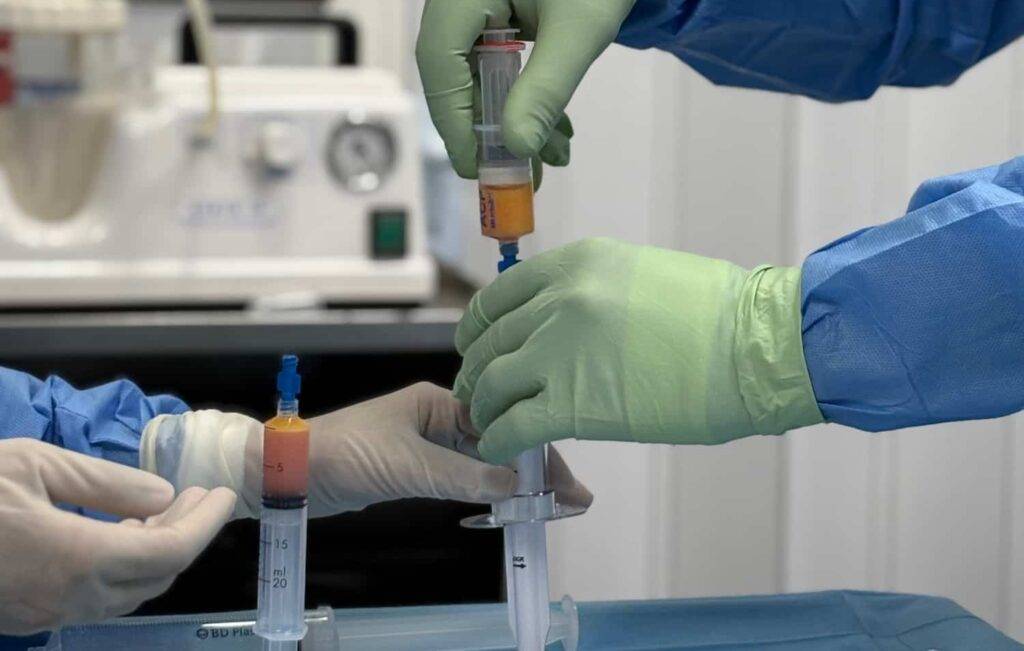
2. Processing and Concentration
The collected material is processed in a controlled medical environment to isolate and concentrate stem cells and growth factors.
3. Targeted Injection
Using imaging guidance, the stem cells are injected directly into the affected joint or tissue, such as the knee, hip, shoulder, or spine.
This targeted approach makes stem cell therapy for orthopedic conditions a minimally invasive treatment with reduced downtime for most patients.
Orthopedic Conditions Treated with Stem Cell Therapy
Stem cell therapy may be suitable for a wide range of orthopedic conditions, particularly in early to moderate stages.
Joint and Cartilage Conditions
- Knee osteoarthritis
- Hip joint degeneration
- Shoulder cartilage damage
- Early-stage arthritis
Sports and Soft Tissue Injuries
- Ligament injuries (ACL, MCL)
- Tendon injuries (Achilles, rotator cuff)
- Muscle tears
Spine and Back Conditions
- Degenerative disc disease
- Chronic lower back pain related to disc or joint issues
These applications highlight why stem cell treatment for joint pain is gaining attention within regenerative orthopedics.
Benefits of Stem Cell Therapy for Orthopedic Conditions
Patients considering stem cell therapy for orthopedic conditions often do so because of the following potential benefits:
- Reduces pain and inflammation
- Supports cartilage and tissue repair
- Minimally invasive compared to surgery
- Shorter recovery time
- May delay or eliminate the need for joint replacement
As part of a structured regenerative orthopedics plan, stem cell therapy can help improve mobility and daily function.
Who Is a Suitable Candidate?
Not all orthopedic patients are ideal candidates for stem cell therapy. A detailed medical evaluation is essential.
Suitable Candidates Often Include:
- Patients with mild to moderate joint degeneration
- Individuals with chronic orthopedic pain not responding to physiotherapy
- Patients seeking non-surgical treatment options
- Active individuals with sports-related injuries
Patients Who May Not Be Suitable:
- Advanced or end-stage arthritis
- Severe joint deformities
- Certain systemic or autoimmune conditions
At German Medical Center, suitability for stem cell therapy Dubai is determined through imaging studies, medical history, and specialist consultation.
Is Stem Cell Therapy Safe?
When performed in a regulated medical environment, orthopedic stem cell therapy is considered safe. Because the treatment typically uses the patient’s own cells, the risk of allergic reaction or rejection is minimal. However, outcomes vary, and results depend on factors such as age, condition severity, and overall health.
Final Thoughts
Stem cell therapy for orthopedic conditions represents a significant advancement in modern orthopedic care. By focusing on regeneration rather than symptom control alone, it offers a promising option for patients seeking long-term relief from joint pain, sports injuries, and degenerative conditions—often without the need for surgery.
At German Medical Center, orthopedic stem cell treatments are guided by internationally recognized medical expertise. The program is supported by Prof. Gerald Zimmermann, a globally respected authority in orthopedic and regenerative medicine, ensuring that treatment protocols align with the latest scientific standards and clinical evidence.
For patients with spine-related conditions, evaluation and treatment planning are carried out in collaboration with Dr. Pawel Zwolak, whose expertise in spinal disorders and advanced orthopedic care helps determine whether stem cell therapy is appropriate or if alternative interventions are required.
Because results depend on accurate diagnosis, condition severity, and patient health, a personalized medical assessment remains essential. Consulting experienced specialists ensures that stem cell therapy is used responsibly, safely, and only when it offers real potential benefit for the patient.