

Stem Cell Therapy for Sports Injuries: A Modern Approach to Recovery and Performance
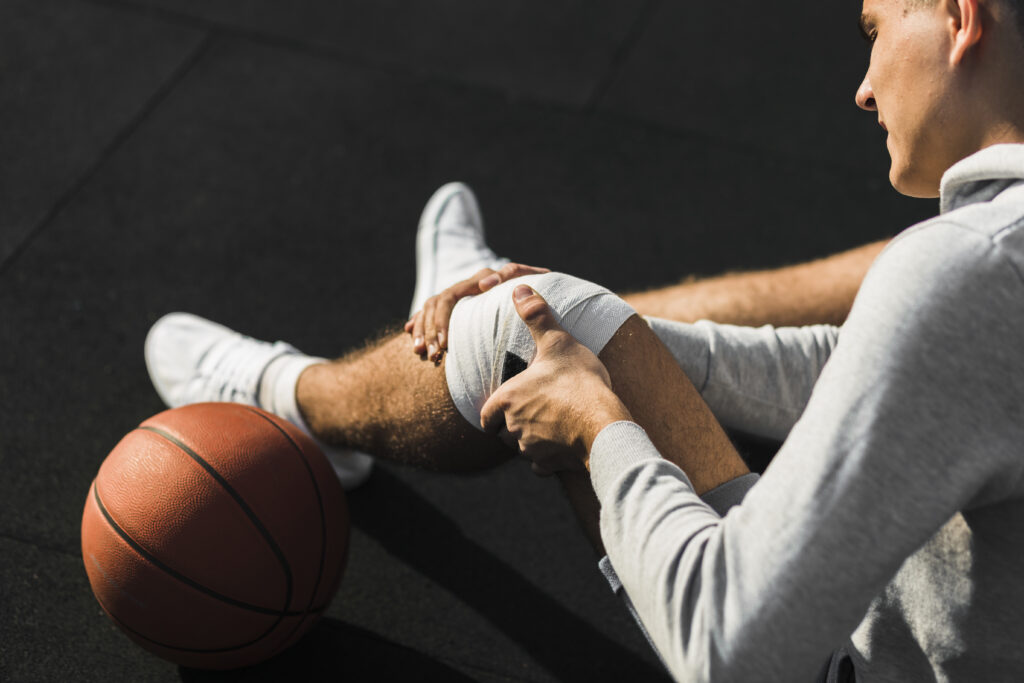
Sports injuries are an unfortunate reality for athletes and active individuals alike. Whether it is a torn ligament, tendon damage, muscle strain, cartilage injury, or chronic joint pain caused by repetitive movement, recovery often becomes the biggest challenge. Traditional treatment approaches typically focus on pain management, physiotherapy, rest, or surgery when conservative methods fail.
However, advancements in regenerative medicine have introduced a promising option that is changing how sports injuries are treated. Stem cell therapy for sports injuries is gaining attention worldwide because of its ability to support the body’s natural healing process and potentially accelerate recovery without major surgery.
For professional athletes, fitness enthusiasts, and individuals who simply want to remain active, stem cell therapy offers a modern approach that focuses not only on recovery but also on restoring function and improving long-term performance.
Understanding Sports Injuries
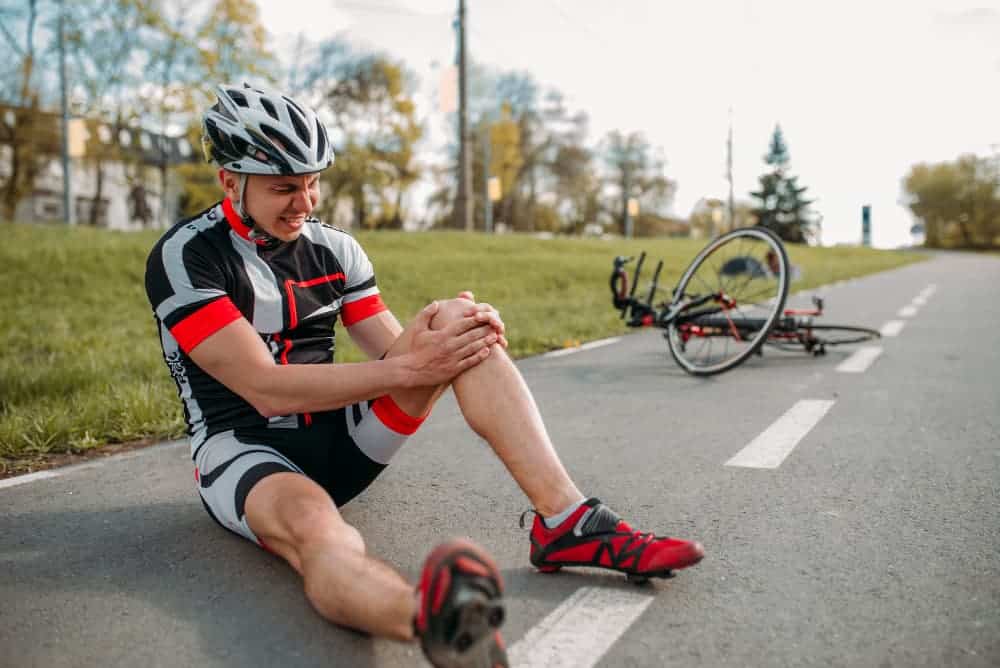
Sports injuries occur when muscles, tendons, ligaments, bones, or joints experience excessive stress. Some injuries happen suddenly during physical activity, while others develop gradually due to overuse.
Common sports injuries include:
- Anterior cruciate ligament (ACL) injuries
- Meniscus tears
- Rotator cuff injuries
- Tennis elbow
- Golfer’s elbow
- Achilles tendon injuries
- Cartilage damage
- Muscle tears and strains
- Chronic knee pain
- Shoulder instability
Many of these conditions can significantly impact mobility, strength, and athletic performance. In some cases, recovery can take several months, causing frustration and extended time away from sports or exercise.
What Is Stem Cell Therapy?
Stem cell therapy is an advanced treatment within regenerative medicine that uses specialized cells capable of supporting tissue repair and regeneration.
Stem cells possess the unique ability to develop into various cell types and release biological signals that promote healing. When introduced into damaged tissues, these cells may help reduce inflammation, stimulate repair processes, and encourage the regeneration of injured structures.
In orthopedic stem cell therapy, stem cells are typically obtained from the patient’s own body, often from bone marrow or adipose (fat) tissue. These cells are then processed and carefully injected into the affected area under medical guidance.
Unlike treatments that simply manage symptoms, stem cell therapy aims to address the underlying tissue damage.
How Stem Cell Therapy Works for Sports Injuries
The body’s natural healing mechanisms are remarkable, but certain tissues such as cartilage, ligaments, and tendons have limited blood supply. As a result, they often heal slowly or incompletely.
Stem cell therapy supports healing through several mechanisms:
Reducing Inflammation
Persistent inflammation can delay recovery and contribute to ongoing pain. Stem cells release growth factors and signaling molecules that may help regulate inflammatory responses.
Supporting Tissue Repair
Stem cells can encourage the production of new tissue components that contribute to healing damaged tendons, ligaments, muscles, and cartilage.
Enhancing Cellular Communication
The treatment helps create an environment that supports the body’s own repair mechanisms by improving communication between healing cells.
Promoting Functional Recovery
As tissues heal, patients may experience improvements in mobility, stability, strength, and overall function.
Sports Injuries That May Benefit from Stem Cell Therapy
While every patient requires an individual assessment, stem cell therapy may be considered for several orthopedic conditions.
Knee Injuries
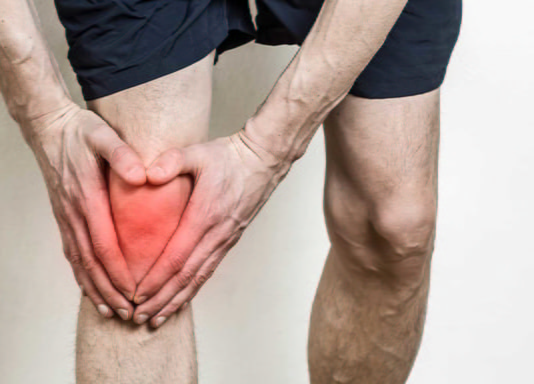
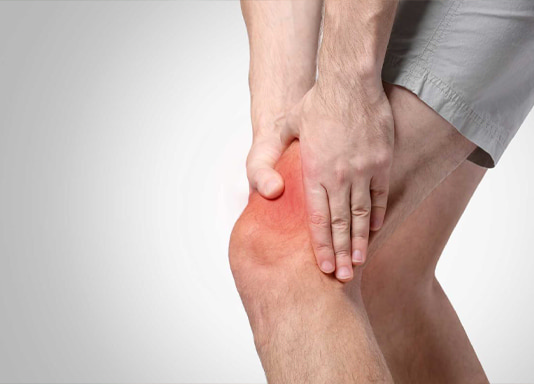
Knee injuries are among the most common problems seen in athletes. Meniscus injuries, cartilage damage, ligament injuries, and chronic knee pain may potentially benefit from regenerative approaches.
Tendon Injuries
Tendons often heal slowly because of their limited blood supply. Conditions such as Achilles tendinopathy, patellar tendon injuries, and tennis elbow are common reasons patients explore stem cell treatment.
Shoulder Injuries
Rotator cuff injuries can significantly impact daily activities and athletic performance. Stem cell therapy may be considered as part of a comprehensive treatment strategy for selected patients.
Muscle Injuries
Muscle strains and tears can require extended rehabilitation. Regenerative treatments may help support tissue repair and recovery.
Cartilage Damage
Cartilage has limited self-healing capabilities. Stem cell therapy is increasingly being explored as a potential treatment option for cartilage-related injuries and early degenerative changes.
Benefits of Stem Cell Therapy for Athletes
One reason stem cell therapy Dubai services continue to attract interest is the potential range of benefits for active individuals.
Minimally Invasive Treatment
Unlike surgical procedures, stem cell therapy involves injections rather than large incisions, reducing procedural trauma and recovery requirements.
Potential Reduction in Recovery Time
Although results vary between individuals, many patients seek stem cell therapy because it may help support a more efficient healing process.
Focus on Natural Healing
The treatment utilizes the body’s own biological resources to encourage recovery rather than relying solely on medications.
Reduced Dependence on Surgery
For some patients, regenerative medicine may provide an alternative option before considering surgical intervention.
Improved Function and Mobility
Successful healing can contribute to improved movement, stability, and athletic performance.
What to Expect During Treatment
At German Medical Center, treatment begins with a comprehensive orthopedic evaluation.
Initial Consultation
A specialist assesses symptoms, medical history, imaging studies, and overall suitability for stem cell therapy.
Cell Collection
Stem cells are collected from the patient’s own body using minimally invasive techniques.
Processing
The collected cells are carefully processed to isolate regenerative components.
Guided Injection
Using advanced imaging guidance, the stem cells are injected into the targeted area with precision.
Rehabilitation and Follow-Up
A personalized rehabilitation program may be recommended to support healing and optimize outcomes.
Recovery Timeline After Stem Cell Therapy
Recovery experiences vary depending on the injury, treatment area, age, and overall health of the patient.
First Few Days
Patients may experience mild soreness at the treatment site. This is often a normal response as healing processes begin.
First Few Weeks
Gradual improvements in comfort and mobility may become noticeable.
One to Three Months
Many patients report continued progress as tissue repair develops.
Three to Six Months
Healing and functional improvements may continue over several months as regenerative processes mature.
Patience is important because stem cell therapy works by encouraging biological healing rather than delivering immediate symptom suppression.
Is Stem Cell Therapy Right for Everyone?
While stem cell therapy offers exciting possibilities, not every sports injury is an ideal candidate.
The best candidates often include:
- Individuals with tendon injuries
- Patients with ligament damage
- Athletes with cartilage injuries
- Active adults seeking non-surgical options
- Patients with chronic orthopedic conditions
A thorough evaluation by an experienced orthopedic specialist is essential to determine whether treatment is appropriate.
The Growing Role of Regenerative Medicine in Sports Recovery
Across the world, sports medicine is shifting toward treatments that support natural healing while preserving healthy tissues. Regenerative medicine Dubai services are becoming increasingly popular because they align with this goal.
Rather than focusing solely on symptom management, regenerative therapies seek to help the body repair itself. This approach may offer athletes new opportunities to recover from injuries while maintaining their active lifestyles.
As research continues to expand, stem cell therapy is expected to play an increasingly important role in modern sports medicine and orthopedic care.
Why Choose German Medical Center for Stem Cell Therapy?
German Medical Center combines advanced medical technology, experienced specialists, and patient-centered care to deliver personalized regenerative medicine solutions.
Patients benefit from:
- Experienced orthopedic specialists
- Comprehensive sports injury assessments
- Advanced regenerative medicine protocols
- Personalized treatment plans
- Modern medical facilities
- Ongoing rehabilitation support
Our goal is to help patients recover safely, restore mobility, and return to the activities they enjoy with confidence.
Conclusion
Sports injuries can have a significant impact on physical performance, daily activities, and overall quality of life. While conventional treatments remain valuable, stem cell therapy for sports injuries represents an innovative option that focuses on supporting the body’s natural healing capabilities.
Whether dealing with tendon injuries, ligament damage, cartilage problems, or chronic joint pain, regenerative medicine is creating new possibilities for recovery. With expert evaluation and personalized care, stem cell therapy may help athletes and active individuals move closer to their recovery goals and return to the activities they love.
If you are exploring advanced sports injury treatment Dubai options, consult the orthopedic specialists at German Medical Center to learn whether stem cell therapy may be suitable for your condition.