

7 Signs You May Need a Meniscus Transplant
Knee injuries don’t always heal the way we hope. Some improve with rest and physiotherapy. Others linger. If you’ve already had a meniscus tear and the pain hasn’t gone away, your knee may be telling you something more serious is happening.
A meniscus transplant in Dubai isn’t the first step for most patients. It’s considered when part or all of the meniscus has been removed and the knee continues to deteriorate. The meniscus acts as a cushion between your thigh bone and shin bone. Once it’s gone, the joint absorbs more pressure than it should.
Here are seven signs that may indicate you need further evaluation by an orthopedic specialist in Dubai.
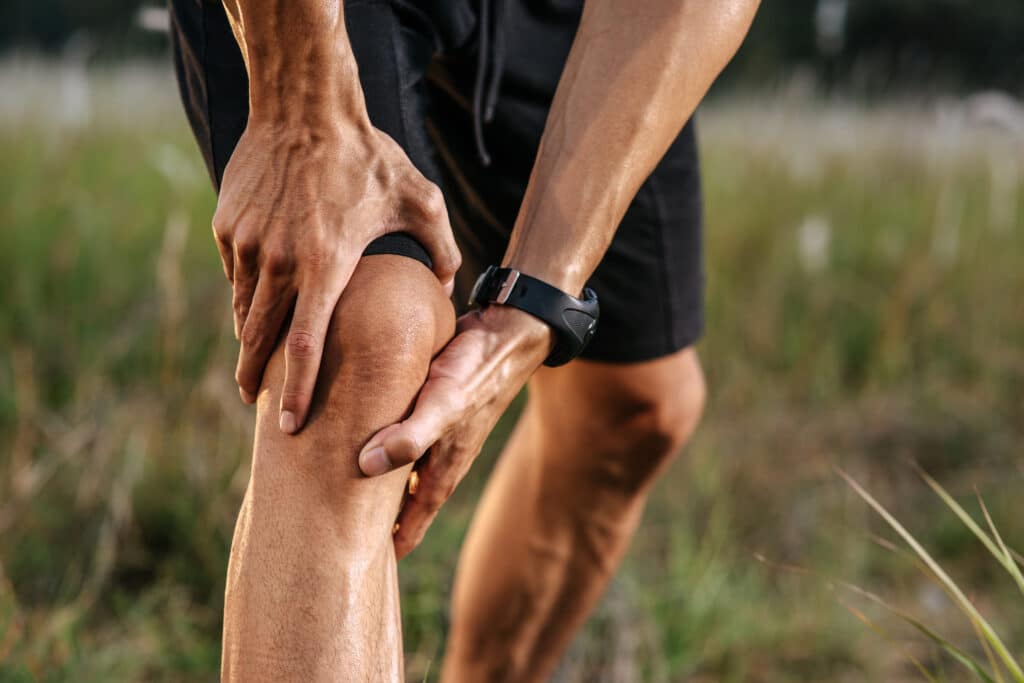
1. Persistent Knee Pain After Previous Surgery
You had a meniscus tear. You underwent meniscus tear surgery in Dubai. You followed the recovery plan.
Yet the pain never truly left.
This type of deep, aching discomfort is common when there’s not enough meniscal tissue left to protect the joint. It often worsens with walking, climbing stairs, or standing for long periods. If standard knee pain treatment in Dubai hasn’t helped, it’s time to look deeper.
2. Swelling That Keeps Coming Back
Occasional swelling after activity is one thing. Recurrent swelling that appears even after mild movement is different.
When the meniscus is no longer functioning properly, the joint becomes irritated. Fluid builds up. You may notice your knee feels tight, warm, or visibly enlarged. If this cycle keeps repeating despite medication or injections, knee cartilage damage treatment may be required.
3. A History of Total or Subtotal Meniscectomy
Patients who’ve had a large portion of their meniscus removed are at higher risk for joint degeneration. Without that cushioning layer, bone starts rubbing against bone more directly.
Over time, this can lead to early arthritis. A meniscus transplant in Dubai may be recommended to restore that lost shock absorption and slow further joint damage, especially in younger or active individuals.
4. Sharp Pain on One Side of the Knee
Meniscal problems are usually localized. You’ll often feel the discomfort on the inner or outer side of the knee rather than across the whole joint.
If imaging shows significant cartilage wear in the same area where the meniscus was removed, your orthopedic specialist in Dubai may discuss transplant options. This procedure replaces the damaged meniscus with donor tissue, aiming to restore stability and reduce pain.
5. Limited Activity Because of Knee Instability
Some patients describe it as a lack of trust in their knee. It feels unstable. Weak. As if it might give way.
That sensation isn’t just uncomfortable; it limits your life. Sports become difficult. Even long walks feel risky. When knee pain treatment in Dubai no longer restores function, the problem may be structural rather than inflammatory.
A healthy meniscus contributes to joint stability. Without it, the knee can feel unreliable.
6. Early Signs of Joint Degeneration on MRI
Sometimes the symptoms are subtle, but imaging tells the real story.
If your MRI shows thinning cartilage, joint space narrowing, or progressive wear in the compartment where the meniscus was removed, waiting may only make things worse. A meniscus transplant in Dubai is often considered before arthritis becomes advanced.
Timing matters. The procedure works best in patients who still have relatively preserved joint surfaces.
7. You’re Young and Want to Stay Active
Meniscus transplant isn’t typically performed on elderly patients with advanced arthritis. It’s often recommended for younger individuals, usually under 50, who’ve lost significant meniscal tissue and continue to experience pain.
If you’re active and want to protect your knee long-term, knee cartilage damage treatment should focus on preserving the joint rather than managing symptoms alone.
At this stage, your orthopedic specialist in Dubai may evaluate whether you’re a suitable candidate.

What Is a Meniscus Transplant?
In simple terms, it’s a surgical procedure where damaged or missing meniscal tissue is replaced with donor cartilage. The goal isn’t cosmetic. It’s functional.
The new meniscus helps redistribute load across the knee joint. That reduces pressure on the cartilage and can delay the progression of arthritis. Many patients report meaningful pain relief and improved activity levels after recovery.
Recovery does take commitment. Rehabilitation typically lasts several months. Weight-bearing is gradually increased under supervision. But for the right candidate, the benefits can be significant.
When Should You Seek Evaluation?
If your knee pain has become part of your daily routine, don’t ignore it.
Persistent swelling, localized pain, instability, or imaging evidence of cartilage damage all deserve attention. Meniscus tear surgery in Dubai solves many problems, but in some cases, additional intervention is necessary.
At German Medical Center, patients receive a detailed assessment that includes physical examination, imaging, and a clear discussion of treatment options. Not every patient needs a meniscus transplant in Dubai. Some benefit from targeted injections or advanced physiotherapy. Others may require corrective alignment procedures.
The key is accurate diagnosis.
Final Thoughts
Knee problems rarely fix themselves once structural support is lost.
If you’ve had previous meniscus tear surgery in Dubai and still struggle with discomfort or swelling, it may be time for a second opinion. Early action can preserve your joint and prevent long-term damage.
Your knee carries you through work, exercise, travel, and daily life. Don’t settle for ongoing pain when advanced knee cartilage damage treatment options are available.
Book a consultation with an experienced orthopedic specialist in Dubai and find out whether a meniscus transplant is the right step for you.