


Blood in Urine: When It Could Be a Sign of Bladder Cancer
Seeing blood in your urine can be unsettling. For many people, it comes as a surprise—often without pain or other symptoms. While there are several possible explanations, it’s important not to ignore it. In some cases, especially in adults, blood in urine Dubai searches are often linked to concerns about serious underlying conditions like bladder cancer.
Understanding what causes this symptom and when to seek help can make a significant difference in early diagnosis and treatment.
What Does Blood in Urine Mean?
Blood in urine, medically known as hematuria, can appear in two ways. Sometimes it is visible to the naked eye, giving the urine a pink, red, or cola-like color. In other cases, it may only be detected through laboratory testing.
Hematuria itself is not a disease—it is a symptom. The causes can range from mild to serious, which is why proper evaluation is essential.
Common Causes of Hematuria
Before assuming the worst, it’s important to understand that there are multiple hematuria causes, many of which are treatable.
Some of the most common include:
- Urinary tract infections (UTIs), often accompanied by burning or urgency
- Kidney stones, which may cause sharp pain
- Enlarged prostate in men
- Intense physical activity
- Certain medications that affect blood clotting
However, when no clear cause is found, or when the symptom persists, further investigation is necessary—especially in adults over 40.
When Should You Be Concerned?
Not all cases of blood in urine require urgent intervention, but there are certain warning signs that should never be ignored.
You should consult a urologist Dubai if you experience:
- Visible blood in urine without pain
- Repeated episodes of hematuria
- Blood accompanied by weight loss or fatigue
- Difficulty urinating or frequent urination
These symptoms may point toward more serious conditions, including bladder-related diseases.
Blood in Urine and Bladder Cancer
One of the earliest and most common bladder cancer symptoms is painless blood in urine. This is often the first sign patients notice, and it can appear intermittently, which makes it easy to overlook.
Bladder cancer develops when abnormal cells grow uncontrollably in the lining of the bladder. In its early stages, it may not cause pain or discomfort, making hematuria a critical early warning signal.
Other possible symptoms include:
- Frequent urge to urinate
- Pain during urination
- Lower back pain on one side
- Feeling the need to urinate without passing much urine
Because these symptoms can overlap with less serious conditions, proper diagnosis is essential.
Risk Factors to Be Aware Of
While bladder cancer can affect anyone, certain factors increase the likelihood of developing the condition.
These include:
- Smoking, which is one of the leading causes
- Exposure to certain industrial chemicals
- Chronic bladder inflammation
- Age (more common after 50)
- Family history of bladder cancer
In a fast-paced city like Dubai, lifestyle and occupational exposure can play a role, which is why awareness is key.
How Bladder Cancer Is Diagnosed
If blood in urine is detected and no obvious cause is found, a detailed bladder cancer diagnosis process is recommended.
This may include:
- Urine tests to detect abnormal cells or infections
- Ultrasound or CT scans to visualize the urinary tract
- Cystoscopy, where a thin camera is inserted into the bladder for direct examination
- Biopsy, if suspicious tissue is identified
Early detection significantly improves treatment outcomes, which is why prompt evaluation is strongly advised.
Why Early Diagnosis Matters
Bladder cancer is one of the few cancers where early symptoms appear relatively soon. However, because these symptoms can be mild or intermittent, many patients delay seeking medical advice.
When diagnosed early:
- Treatment is less invasive
- Recovery rates are higher
- The risk of progression is significantly reduced
Ignoring symptoms like hematuria can allow the disease to advance, making treatment more complex.
What to Expect During Your Visit
Visiting a urologist Dubai for blood in urine is usually straightforward and reassuring.
The consultation typically involves:
- A detailed medical history
- Discussion of symptoms and lifestyle factors
- Physical examination
- Recommendation of appropriate tests
The goal is to rule out serious conditions and provide clarity as quickly as possible.
Treatment Options for Bladder Cancer
If bladder cancer is diagnosed, treatment depends on the stage and severity of the condition.
Options may include:
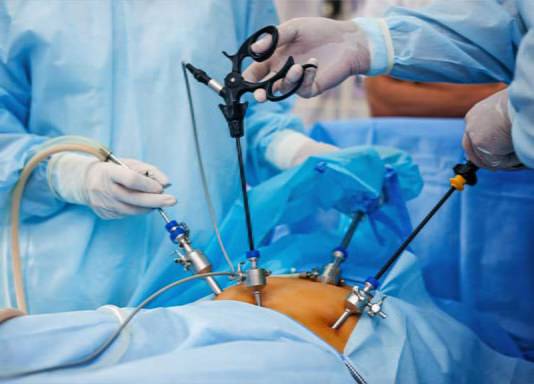
- Minimally invasive surgery for early-stage tumors
- Intravesical therapy (medication delivered directly into the bladder)
- Chemotherapy or immunotherapy
- Advanced surgical procedures in more complex cases
The treatment plan is always personalized, focusing on both effectiveness and quality of life.
Preventive Measures and Lifestyle Changes
While not all cases can be prevented, certain steps can reduce the risk of developing bladder-related conditions.
These include:
- Staying well hydrated
- Avoiding smoking
- Limiting exposure to harmful chemicals
- Seeking early medical advice when symptoms appear
Regular check-ups also play a crucial role, especially for individuals with risk factors.
When to Take Action
It’s easy to dismiss blood in urine as a temporary issue, especially if it disappears quickly. However, even a single episode should not be ignored.
If you notice any signs of hematuria, seeking professional evaluation is the safest course of action. Early assessment provides peace of mind and, if needed, timely treatment.
Final Thoughts
Blood in urine is a symptom that deserves attention. While it can be caused by minor issues, it may also be the first indication of something more serious, including bladder cancer.
For individuals searching for answers related to blood in urine Dubai, the key takeaway is simple: don’t wait. A timely consultation can make all the difference.
At German Medical Center, patients have access to experienced specialists and advanced diagnostic tools, ensuring accurate evaluation and personalized care in a professional and supportive environment.