


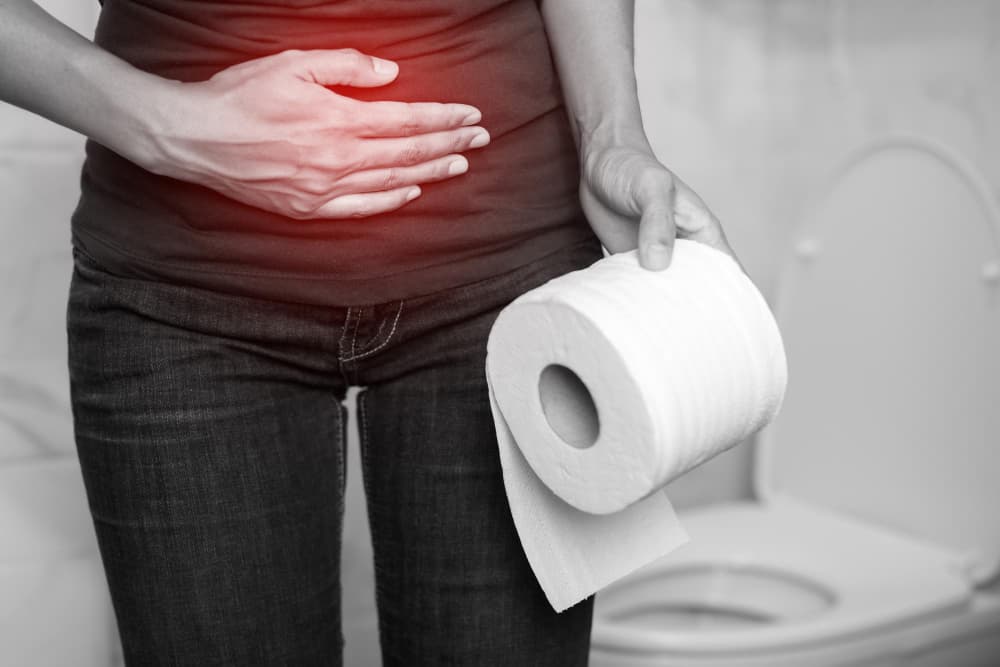
Most people experience constipation at some point in their lives. A few days without a bowel movement after travelling, changes in diet, dehydration, or stress is usually nothing to worry about. However, when constipation becomes frequent, persistent, or begins affecting your daily routine, it deserves much closer attention.
Chronic constipation is one of the most common digestive complaints worldwide, affecting people of all ages. While many individuals attempt to manage the condition with over-the-counter laxatives or home remedies, persistent symptoms can sometimes indicate an underlying medical condition that requires proper diagnosis and treatment.
Understanding the difference between occasional constipation and a long-term digestive disorder can help prevent unnecessary discomfort and identify more serious conditions before complications develop.
What Is Chronic Constipation?
Constipation is generally defined as having fewer than three bowel movements per week. However, the frequency alone doesn’t tell the whole story.
Someone may have regular bowel movements yet still suffer from constipation if passing stool is consistently difficult, painful, or incomplete.
Healthcare professionals often define chronic constipation as symptoms that continue for three months or longer. These symptoms may include:
- Hard or dry stools
- Straining during bowel movements
- A feeling that the bowel has not completely emptied
- Needing excessive time to pass stool
- Abdominal bloating
- Discomfort or cramping
- Needing manual assistance to pass stool in severe cases
Many patients gradually adapt to these symptoms, believing they are simply part of getting older or living a busy lifestyle. In reality, ongoing bowel changes should never be ignored.
Common Causes of Chronic Constipation
There is rarely a single explanation for persistent constipation. Instead, several lifestyle, digestive, and medical factors may work together.
Some of the most common causes of chronic constipation include:
Low Fibre Intake
Diet plays a significant role in bowel health. Meals lacking fruits, vegetables, legumes, and whole grains reduce stool bulk, making bowel movements slower and more difficult.
Inadequate Hydration
Water helps soften stool as it moves through the colon. Insufficient fluid intake often contributes to harder stools and increased straining.
Sedentary Lifestyle
Physical activity stimulates intestinal movement. Spending long hours sitting at a desk or living a relatively inactive lifestyle may slow bowel function.
Certain Medications
Several commonly prescribed medications can contribute to constipation, including:
- Iron supplements
- Some pain medications
- Certain antidepressants
- Blood pressure medications
- Calcium supplements
Patients should never discontinue prescribed medication without discussing alternatives with their physician.
Hormonal and Metabolic Conditions
Medical conditions such as hypothyroidism or diabetes can affect intestinal function and lead to long-term bowel changes.
Pelvic Floor Dysfunction
Sometimes the problem isn’t the stool itself but rather the muscles responsible for passing it. Weak or poorly coordinated pelvic floor muscles may prevent normal bowel emptying.
Colorectal Conditions
Persistent constipation can also occur alongside:
- Hemorrhoids
- Anal fissures
- Rectal prolapse
- Colon polyps
- Colorectal cancer
- Obstructive bowel disorders
This is one reason why long-lasting constipation should always be evaluated, especially if accompanied by additional warning signs.
Constipation Symptoms That Shouldn’t Be Ignored
Although occasional constipation is common, some constipation symptoms suggest that professional medical assessment is necessary.
Seek medical evaluation if constipation is accompanied by:
- Blood in the stool
- Unexplained weight loss
- Persistent abdominal pain
- Vomiting
- Severe bloating
- Pencil-thin stools
- Symptoms lasting several weeks despite lifestyle changes
- A sudden change in bowel habits after age 50
- A family history of colorectal cancer
These symptoms do not automatically indicate a serious disease, but they do require careful investigation.
Why Chronic Constipation Is More Than a Digestive Problem
Many people assume constipation is simply an inconvenience. In reality, untreated constipation may lead to several complications over time.
Repeated straining increases pressure inside the rectum and anus, contributing to:
- Hemorrhoids
- Anal fissures
- Rectal bleeding
- Rectal prolapse
- Chronic pelvic floor dysfunction
Constipation may also significantly affect quality of life.
Patients frequently report:
- Fatigue
- Reduced appetite
- Sleep disturbances
- Anxiety surrounding bowel movements
- Social embarrassment
- Reduced work productivity
Additionally, persistent constipation may sometimes be the first noticeable symptom of broader digestive health problems, neurological disorders, endocrine diseases, or colorectal conditions that require specialist care.
Early diagnosis often makes treatment simpler and more effective.
How Is Chronic Constipation Diagnosed?
A proper diagnosis begins with understanding your symptoms rather than immediately prescribing medication. During your consultation, your physician will ask about your bowel habits, diet, fluid intake, medications, lifestyle, and any family history of gastrointestinal disease.
Depending on your symptoms and medical history, further investigations may be recommended to identify the underlying cause. These may include:
- Physical examination
- Digital rectal examination
- Blood tests to assess thyroid function or other metabolic conditions
- Stool analysis, when appropriate
- Colonoscopy, particularly for patients over 45–50 years old or those with warning signs
- Imaging studies in selected cases
- Specialized anorectal function tests for pelvic floor disorders
The goal is not simply to confirm constipation but to determine why it is happening. Identifying the underlying cause allows treatment to be tailored to the individual rather than simply managing symptoms.
Chronic Constipation Treatment: Finding the Right Approach
There is no one-size-fits-all solution for chronic constipation treatment. The most effective plan depends on the cause, severity, and duration of symptoms.
Dietary Improvements
For many people, increasing dietary fibre is one of the first recommendations. Fibre helps retain water in the stool, making it softer and easier to pass.
Good sources include:
- Fresh vegetables
- Fruits
- Whole grains
- Oats
- Lentils
- Beans
- Seeds
It is important to increase fibre gradually while maintaining adequate hydration, as introducing too much fibre too quickly may worsen bloating.
Staying Well Hydrated
Water plays a key role in healthy bowel function. Drinking enough fluids throughout the day helps prevent stools from becoming dry and difficult to pass.
Hydration needs vary from person to person, particularly in Dubai’s warm climate, where fluid loss through perspiration is often higher.
Regular Physical Activity
Exercise stimulates normal bowel movement by encouraging the natural contractions of the intestines.
Even moderate activities such as:
- Walking
- Swimming
- Cycling
- Yoga
can help improve bowel regularity when performed consistently.
Bowel Habit Training
Ignoring the urge to have a bowel movement can gradually worsen constipation. Developing a routine—such as allowing enough time after breakfast to use the bathroom without rushing—may help establish healthier bowel patterns.
Medications
When lifestyle measures are not sufficient, physicians may recommend medications, including:
- Osmotic laxatives
- Stool softeners
- Fibre supplements
- Prescription medications that improve intestinal motility
These treatments should be selected based on individual needs rather than used indefinitely without medical supervision.
When Conservative Treatment Isn’t Enough
Most patients improve with appropriate medical management. However, some cases involve structural or functional problems that require additional treatment.
Examples include:
- Rectal prolapse
- Significant pelvic floor dysfunction
- Large rectoceles
- Obstructive defecation syndrome
- Certain colorectal diseases
In these situations, minimally invasive procedures or surgery may be recommended after thorough evaluation.
The objective is always to restore normal bowel function while preserving long-term quality of life.
When Should You See a Proctology Specialist?
Many people delay seeking medical advice because constipation can feel like an embarrassing topic. In reality, it is one of the most common reasons patients visit colorectal clinics.
You should consider consulting a Proctology specialist Dubai if you experience:
- Constipation lasting longer than three weeks
- Recurrent constipation despite lifestyle changes
- Frequent dependence on laxatives
- Pain during bowel movements
- Rectal bleeding
- Persistent bloating
- Difficulty emptying the bowel completely
- A noticeable change in your normal bowel habits
- A family history of colorectal disease
A specialist can determine whether your symptoms are related to simple lifestyle factors or a more complex colorectal condition requiring targeted treatment.
Can Chronic Constipation Be Prevented?
Although not every case is preventable, adopting healthy habits can significantly reduce the likelihood of long-term constipation.
Simple preventive measures include:
- Eating a balanced diet rich in fibre
- Drinking enough water every day
- Staying physically active
- Avoiding unnecessary delay when the urge to pass stool occurs
- Limiting excessive intake of highly processed foods
- Managing stress, which can influence digestive function
- Scheduling routine health check-ups, especially if you have a family history of colorectal conditions
These habits support healthy digestion and may also reduce the risk of other digestive health problems over time.
The Importance of Early Evaluation
One of the biggest misconceptions surrounding constipation is that it is always harmless. While many cases are related to diet or lifestyle, persistent symptoms can occasionally point to more serious gastrointestinal or colorectal conditions.
Early evaluation offers several benefits:
- Identifies treatable underlying causes sooner
- Helps prevent complications such as hemorrhoids or anal fissures
- Reduces reliance on long-term laxative use
- Detects significant colorectal diseases at an earlier stage
- Improves comfort, confidence, and overall quality of life
Ignoring symptoms for months or years can delay diagnosis and make treatment more challenging than necessary.
Why Choose German Medical Center?
At German Medical Center, patients receive comprehensive evaluation for chronic bowel disorders using an evidence-based and patient-focused approach. Our experienced general surgery and proctology team carefully investigates the causes of chronic constipation, identifies any associated colorectal conditions, and develops personalised treatment plans based on each patient’s individual needs.
Whether symptoms are caused by lifestyle factors, pelvic floor dysfunction, hemorrhoids, anal fissures, or more complex colorectal conditions, our goal is to provide effective care that addresses the underlying issue—not just the symptoms.
Conclusion
Occasional constipation is common, but persistent bowel changes should never be considered normal. Chronic Constipation can significantly affect your comfort, daily routine, and overall wellbeing. In some cases, it may also be an early indicator of underlying digestive or colorectal disease.
If you have been experiencing ongoing constipation symptoms, relying regularly on laxatives, or noticing changes in your bowel habits, seeking medical advice is the best next step. An accurate diagnosis allows for timely chronic constipation treatment, helping restore healthy bowel function and reducing the risk of future complications.
At German Medical Center, our multidisciplinary team is committed to delivering compassionate, personalised care for patients experiencing digestive health problems. Early assessment can make a meaningful difference, helping you return to a healthier, more comfortable life with confidence.