

Kidney stones are one of those conditions that people often ignore—until the pain becomes impossible to overlook. In Dubai, where dehydration is common due to the climate, cases of kidney stones are seen more frequently than many expect. What starts as mild discomfort can quickly turn into severe pain that disrupts daily life.
Understanding how kidney stones develop, recognizing early kidney stone symptoms, and knowing when to seek kidney stones treatment Dubai can make a significant difference in both recovery and prevention.
What Are Kidney Stones?
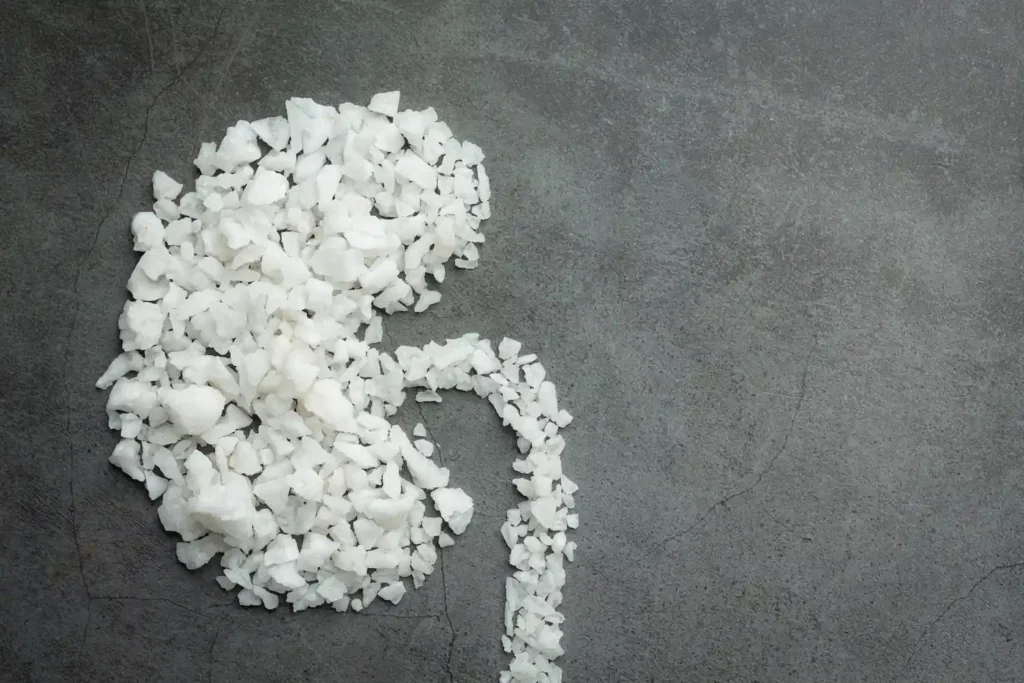
Kidney stones are hard deposits made of minerals and salts that form inside the kidneys. These stones can vary in size—from tiny crystals to larger stones that block the urinary tract.
In many cases, small stones pass naturally without causing much discomfort. However, larger stones can become lodged in the urinary tract, leading to intense pain and requiring medical intervention.
Common Kidney Stone Symptoms
The symptoms of kidney stones often depend on their size and location. Some people may not notice anything until the stone begins to move.
The most common kidney stone symptoms include:
- Sharp pain in the lower back or side
- Pain that radiates to the lower abdomen or groin
- Burning sensation during urination
- Frequent urge to urinate
- Blood in the urine
- Nausea or vomiting
- Cloudy or foul-smelling urine
The pain is often described as one of the most intense experiences, typically coming in waves as the stone moves through the urinary tract.
Why Kidney Stones Are Common in Dubai
Dubai’s climate plays a major role in the rising number of kidney stone cases. High temperatures can lead to dehydration, which is one of the leading causes of kidney stones.
When the body lacks sufficient fluids, urine becomes more concentrated. This increases the likelihood of minerals crystallizing and forming stones.
Other contributing lifestyle factors in Dubai include:
- High intake of salty or processed foods
- Low daily water consumption
- Sedentary lifestyle
- High-protein diets
This combination creates the ideal environment for kidney stones to develop over time.
Causes of Kidney Stones
There isn’t a single cause behind kidney stones. Instead, several factors can contribute to their formation.
The most common causes of kidney stones include:
1. Dehydration
Insufficient water intake is the leading cause. Without enough fluids, urine cannot dilute the minerals effectively.
2. Diet
Diets high in sodium, sugar, or animal protein can increase the risk. Excess salt, in particular, raises calcium levels in urine.
3. Family History
If kidney stones run in your family, your chances of developing them are higher.
4. Certain Medical Conditions
Conditions such as urinary tract infections, obesity, and digestive disorders can contribute to stone formation.
5. Medications and Supplements
Some supplements, especially calcium or vitamin D in excess, may increase the risk.
When Should You See a Doctor?
Many people delay seeking care, hoping the pain will pass. However, certain signs indicate that you should consult a urologist in Dubai immediately.
You should seek medical attention if:
- The pain becomes severe and persistent
- You notice blood in your urine
- You experience fever or chills
- You have difficulty passing urine
- Nausea and vomiting prevent fluid intake
Early evaluation ensures that complications such as infections or kidney damage are avoided.
Diagnosis of Kidney Stones
Diagnosing kidney stones involves a combination of clinical evaluation and imaging tests.
At a specialized center like German Medical Center, diagnosis typically includes:
- Urine analysis to detect blood or infection
- Blood tests to evaluate kidney function
- Ultrasound or CT scan to locate the stone
- X-rays in selected cases
Accurate diagnosis helps determine the size and position of the stone, which directly influences the treatment approach.
Kidney Stones Treatment in Dubai
The approach to kidney stones treatment Dubai depends on the size, type, and location of the stone, as well as the severity of symptoms.
1. Conservative (Non-Surgical) Treatment
For smaller stones, treatment often focuses on helping the body pass the stone naturally.
This includes:
- Increased fluid intake
- Pain management medications
- Medications to relax the urinary tract
Many patients can pass smaller stones within a few days to weeks with proper guidance.
2. Medical Intervention
If the stone is too large or causes complications, medical procedures may be necessary.
Common options include:
Shock Wave Lithotripsy (SWL)
Uses sound waves to break the stone into smaller pieces that can pass naturally.
Ureteroscopy
A thin scope is inserted through the urinary tract to remove or break the stone.
Percutaneous Nephrolithotomy
A minimally invasive surgical procedure used for larger stones.
These procedures are widely available in Dubai and are performed with advanced technology for better outcomes and faster recovery.
Kidney Pain Treatment in Dubai
Pain management is a critical part of treatment. Kidney pain treatment Dubai focuses not only on relieving discomfort but also addressing the underlying cause.
Doctors may recommend:
- Anti-inflammatory medications
- Intravenous fluids for hydration
- Targeted therapy depending on stone type
Prompt treatment ensures that pain is controlled while the stone is either passed or removed safely.
Can Kidney Stones Be Prevented?
One of the most important aspects of managing kidney stones is prevention—especially for those who have experienced them before.
Simple lifestyle changes can significantly reduce the risk:
Stay Hydrated
Drinking enough water is the most effective way to prevent stone formation. Aim for clear or light-colored urine.
Adjust Your Diet
Reduce salt intake and balance protein consumption. Including fruits and vegetables can help regulate mineral levels.
Monitor Calcium Intake
Calcium is important, but excessive supplementation should be avoided unless prescribed.
Regular Check-Ups
If you have a history of kidney stones, periodic evaluations with a urologist in Dubai can help detect early signs.
Living with Kidney Stones: What to Expect
Experiencing kidney stones can be physically and emotionally exhausting. However, with proper treatment and preventive measures, most people recover fully without long-term complications.
Recovery timelines vary depending on the treatment method. Non-surgical cases may resolve within days, while procedural treatments may require short recovery periods.
The key is not to ignore early warning signs. Addressing symptoms early reduces the need for invasive procedures and minimizes disruption to daily life.
Why Choose Specialized Care in Dubai?
Dubai offers access to advanced medical technology and experienced specialists. Choosing the right healthcare provider ensures accurate diagnosis and effective treatment.
At German Medical Center, patients benefit from:
- Comprehensive diagnostic facilities
- Experienced specialists in urology
- Personalized treatment plans
- Modern, minimally invasive procedures
This level of care ensures that patients receive the most appropriate solution based on their condition.
Final Thoughts
Kidney stones are more common than many realize, particularly in regions like Dubai where lifestyle and climate play a significant role. While the condition can be painful, it is also highly treatable when addressed early.
Recognizing kidney stone symptoms, understanding the causes of kidney stones, and seeking timely kidney stones treatment Dubai can help you avoid complications and return to normal life quickly.
If you are experiencing symptoms or have a history of kidney stones, consulting a qualified urologist in Dubai is the first step toward effective treatment and long-term prevention.