

Many women are surprised to learn that ovarian cysts are extremely common. In fact, most women will develop at least one ovarian cyst during their lifetime, often without even realizing it. While many cysts disappear on their own without causing problems, others can lead to discomfort, hormonal changes, and, in some cases, complications that require medical attention.
Understanding the signs, causes, and treatment options for ovarian cysts can help women make informed decisions about their reproductive health and know when it is time to seek professional care.
What Are Ovarian Cysts?
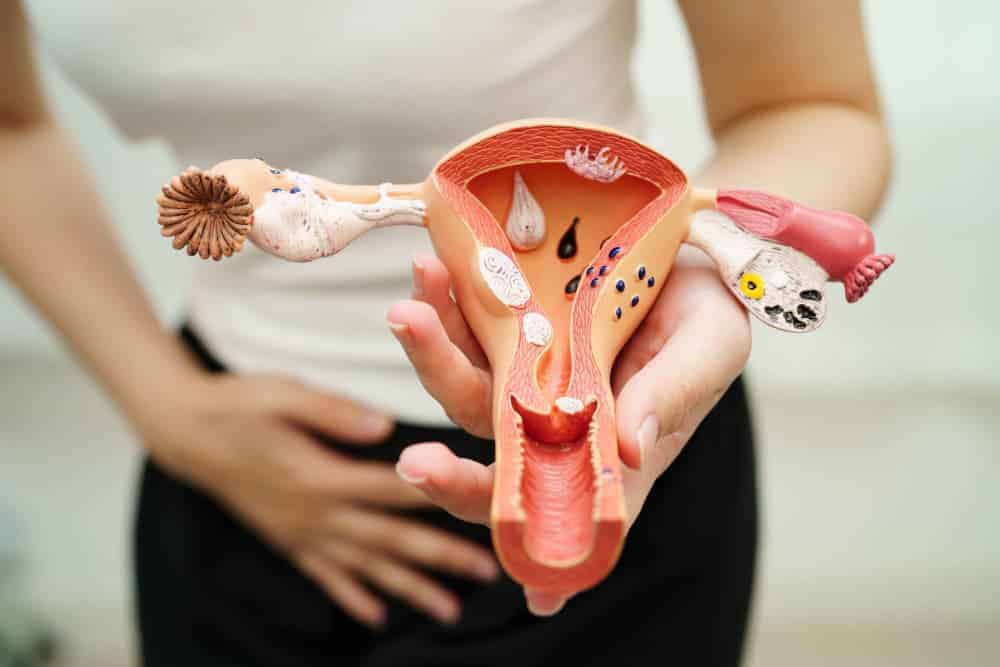
Ovarian cysts are fluid-filled sacs that develop on or inside the ovaries. The ovaries are part of the female reproductive system and play an important role in hormone production and egg release.
Most ovarian cysts are benign, meaning they are not cancerous. Many form naturally during the menstrual cycle and disappear within a few weeks or months without treatment.
Although ovarian cysts can affect women of any age, they are most commonly seen during the reproductive years.
Types of Ovarian Cysts
Not all ovarian cysts are the same. Understanding the different types can help explain why some require monitoring while others may need treatment.
Functional Cysts
These are the most common type of ovarian cyst. They form as part of the normal menstrual cycle and usually disappear naturally.
The two most common functional cysts include:
- Follicular cysts
- Corpus luteum cysts
Dermoid Cysts
These cysts develop from reproductive cells and may contain tissue such as hair, skin, or fat. Although usually benign, they often require surgical removal if they become large.
Endometriomas
Women with endometriosis may develop cysts known as endometriomas. These cysts form when endometrial tissue grows on the ovaries.
Cystadenomas
These cysts develop from ovarian tissue and can become quite large. They may contain watery or mucus-like fluid.
Polycystic Ovaries
Women with Polycystic Ovary Syndrome (PCOS) may develop multiple small cysts on the ovaries due to hormonal imbalances.
Ovarian Cyst Causes
There is no single explanation for why ovarian cysts develop. Several factors can increase the likelihood of cyst formation.
Common ovarian cyst causes include:
- Hormonal imbalances
- Pregnancy
- Endometriosis
- Polycystic Ovary Syndrome (PCOS)
- Previous ovarian cysts
- Pelvic infections
- Fertility treatments that stimulate ovulation
Certain hormonal changes can interfere with the normal release of eggs during ovulation, increasing the risk of cyst formation.
Ovarian Cyst Symptoms
One of the reasons ovarian cysts are often discovered unexpectedly is because many women experience no symptoms at all.
However, larger cysts or cysts that persist may cause noticeable discomfort.
Common ovarian cyst symptoms include:
- Pelvic pain or pressure
- Pain on one side of the lower abdomen
- Bloating or abdominal swelling
- Pain during intercourse
- Irregular menstrual cycles
- Frequent urination
- Difficulty emptying the bladder completely
- Lower back pain
- Pain during bowel movements
Symptoms can vary depending on the size and type of cyst.
Some women experience mild discomfort, while others may develop more significant symptoms that affect daily activities.
When Is an Ovarian Cyst Considered Serious?
Most ovarian cysts are harmless. However, there are situations where prompt medical attention is necessary.
Ovarian Torsion
A large cyst can cause the ovary to twist around its supporting structures, cutting off its blood supply. This condition, known as ovarian torsion, is a medical emergency.
Ruptured Ovarian Cyst
In some cases, a cyst can rupture and cause sudden severe pain. Depending on the amount of bleeding, emergency treatment may be required.
Persistent or Growing Cysts
A cyst that continues to grow or does not disappear over time may require further investigation and treatment.
Seek immediate medical care if you experience:
- Sudden severe pelvic pain
- Fever
- Dizziness or fainting
- Rapid breathing
- Severe abdominal swelling
- Heavy bleeding
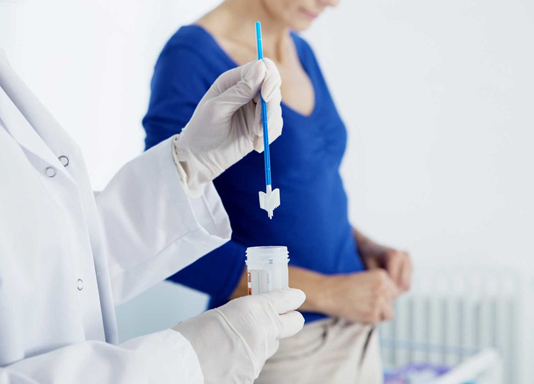
How Are Ovarian Cysts Diagnosed?
Accurate ovarian cyst diagnosis is essential for determining whether treatment is necessary.
Your gynecologist will typically begin with a detailed medical history and physical examination.
Diagnostic tests may include:
Pelvic Ultrasound
Ultrasound is the most common imaging test used to identify ovarian cysts. It helps determine:
- Size of the cyst
- Location
- Structure
- Whether the cyst contains fluid or solid components
Blood Tests
Blood tests may be recommended to assess hormone levels or rule out certain conditions.
Pregnancy Test
Some ovarian cysts are associated with pregnancy, making testing an important part of the evaluation process.
MRI or CT Scan
Advanced imaging may be recommended when additional information is needed about complex cysts.
Ovarian Cyst Treatment Dubai
Treatment depends on several factors, including the patient’s age, symptoms, cyst size, and overall health.
Watchful Waiting
Many cysts resolve naturally without intervention.
Your doctor may recommend:
- Regular follow-up appointments
- Repeat ultrasounds
- Symptom monitoring
This approach is often appropriate for small functional cysts that do not cause symptoms.
Medication
Hormonal medications such as birth control pills may help regulate ovulation and reduce the risk of developing new cysts.
While medication does not usually eliminate existing cysts, it can help prevent recurrence.
Minimally Invasive Surgery
If a cyst is large, persistent, painful, or suspicious, surgical removal may be recommended.
Laparoscopic surgery is often preferred because it involves:
- Smaller incisions
- Faster recovery
- Less discomfort
- Reduced scarring
Advanced Surgical Treatment
In some situations, more extensive surgery may be necessary, particularly if there is concern about cancer or significant complications.
Can Ovarian Cysts Affect Fertility?
The impact of ovarian cysts on fertility depends on the type of cyst.
Functional cysts generally do not affect fertility.
However, conditions such as:
- Endometriosis
- Polycystic Ovary Syndrome (PCOS)
- Large ovarian cysts requiring surgery
may influence a woman’s ability to conceive.
Early diagnosis and proper management can help protect reproductive health and improve fertility outcomes when necessary.
Can Ovarian Cysts Be Prevented?
There is no guaranteed way to prevent ovarian cysts entirely. However, regular gynecological check-ups can help identify changes early.
Women should also pay attention to:
- Unusual pelvic pain
- Changes in menstrual cycles
- Persistent bloating
- New abdominal symptoms
Early evaluation often allows for simpler treatment and better outcomes.
When Should You See a Gynecologist?
Many women ignore pelvic discomfort because they assume it is a normal part of their menstrual cycle. While occasional discomfort can be common, ongoing symptoms should never be overlooked.
Consider scheduling an appointment if you experience:
- Persistent pelvic pain
- Recurrent bloating
- Irregular periods
- Pain during intercourse
- Unexplained abdominal swelling
- Symptoms that interfere with daily life
Prompt evaluation can help identify ovarian cysts early and prevent potential complications.
Expert Ovarian Cyst Care at German Medical Center
At German Medical Center, our experienced gynecology team provides comprehensive evaluation, ovarian cyst diagnosis, and personalized treatment plans tailored to each patient’s needs. Using advanced imaging technology and evidence-based care, we help women manage ovarian cyst symptoms effectively while protecting their long-term reproductive health.
Whether you need routine monitoring, a second opinion, or advanced ovarian cyst treatment in Dubai, our specialists are committed to providing compassionate care in a comfortable and supportive environment.
Final Thoughts
Ovarian cysts are a common part of women’s health and, in many cases, cause little concern. However, persistent symptoms, growing cysts, or complications should never be ignored. Understanding ovarian cyst causes, recognizing ovarian cyst symptoms, and seeking timely medical evaluation can help ensure the best possible outcome.
Regular gynecological check-ups remain one of the most effective ways to monitor reproductive health and detect potential issues before they become more serious.