

Peripheral Artery Disease (PAD) in Dubai: Symptoms, Diagnosis & Treatment Options
Leg pain isn’t always a muscle problem. Sometimes it’s your arteries asking for attention.
Peripheral artery disease, often shortened to PAD, happens when arteries in the legs narrow because of plaque buildup. Blood flow drops. Muscles don’t get enough oxygen. Walking becomes uncomfortable. Over time, even simple daily movements can feel like a task.
If you’re searching for answers about Peripheral Artery Disease Dubai, you’re not alone. With rising rates of diabetes, high blood pressure, and smoking in the UAE, PAD is more common than many people realize.
At German Medical Center, we see patients who ignored the early signs for months, even years. The earlier PAD is diagnosed, the easier it is to manage.
What Is Peripheral Artery Disease?
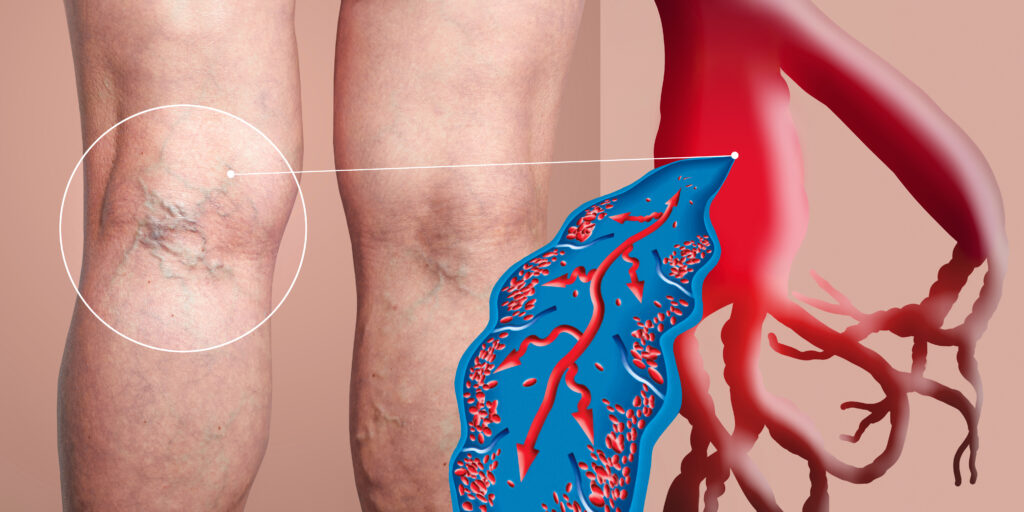
Peripheral artery disease is a circulatory condition. It’s caused by atherosclerosis, which is the buildup of fatty deposits inside the arteries. While most people associate atherosclerosis with heart disease, it can affect the arteries of the legs just as easily.
When blood flow is reduced, the muscles in your legs don’t receive enough oxygen during activity. That’s when symptoms start to show.
And here’s the tricky part. PAD can progress quietly. Some people don’t feel anything until the blockage becomes significant.
Peripheral Artery Disease Symptoms You Shouldn’t Ignore
The most common symptom is pain while walking that improves with rest. Doctors call this claudication. Patients usually describe it as cramping, tightness, or aching in the calves.
Other peripheral artery disease symptoms include:
- Numbness or weakness in the legs
- Coldness in one lower leg or foot
- Slow-healing wounds on toes or feet
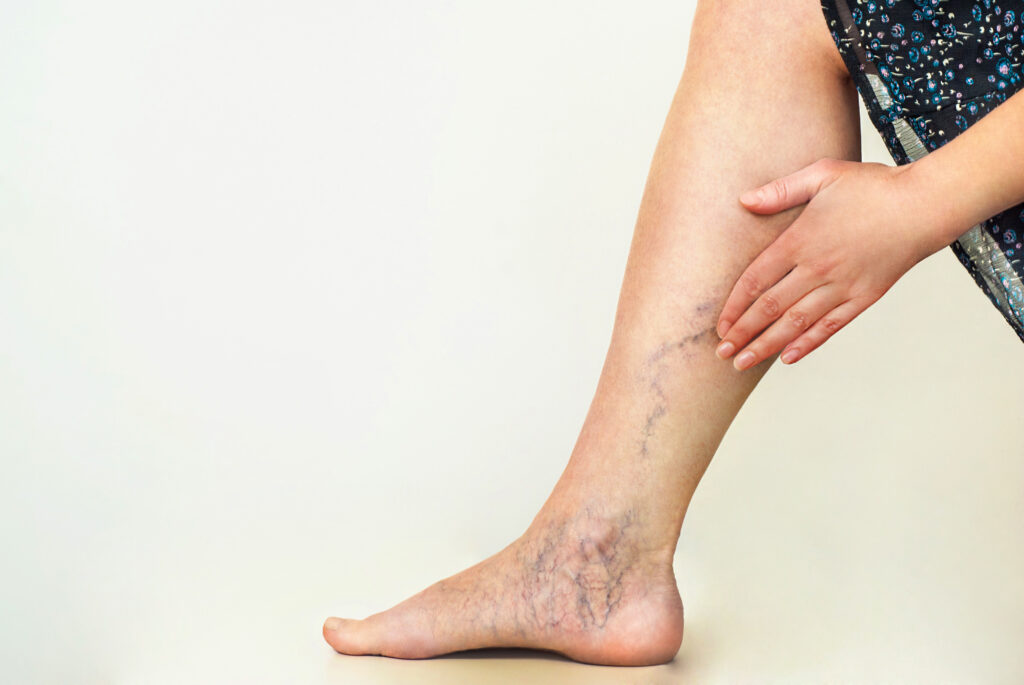
- Shiny skin or reduced hair growth on the legs
- Changes in toenail growth
- Erectile dysfunction in men
If you’re diabetic, these symptoms deserve immediate attention. Poor circulation combined with nerve damage can increase the risk of ulcers and infections.
Some patients tell us they thought it was just aging. It wasn’t.
Who Is at Higher Risk in Dubai?
Certain risk factors are especially relevant in the UAE population:
- Diabetes
- High cholesterol
- High blood pressure
- Smoking
- Obesity
- Family history of vascular disease
Diabetes, in particular, plays a major role. Many patients seeking PAD treatment Dubai are already managing blood sugar issues. When glucose levels remain high over time, blood vessels suffer.
Age matters too. PAD becomes more common after 50, especially when combined with other risk factors.
How Peripheral Artery Disease Is Diagnosed
Diagnosis doesn’t begin with a scan. It begins with a conversation.
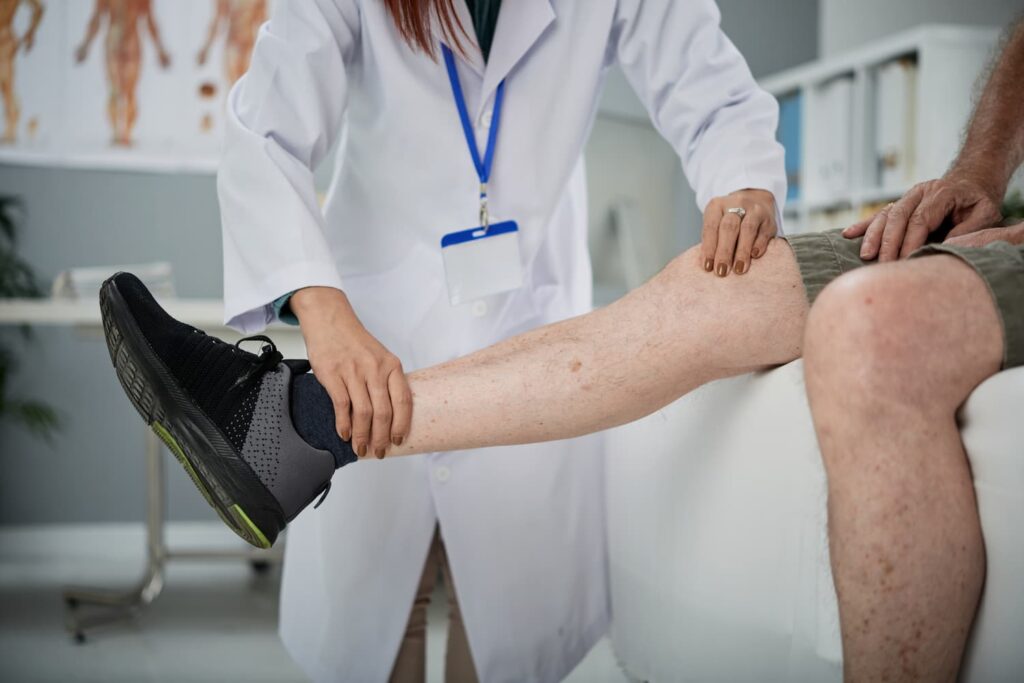
A vascular specialist will ask about your symptoms, walking distance, and medical history. Then comes a physical exam. Pulses in the feet are checked. Skin condition is assessed.
One simple and reliable test is the Ankle-Brachial Index. It compares blood pressure in the ankle to blood pressure in the arm. A lower ratio suggests reduced blood flow.
If further evaluation is needed, imaging tests may include:
- Doppler ultrasound
- CT angiography
- MR angiography
At German Medical Center, evaluation by a vascular specialist Dubai ensures that symptoms aren’t misdiagnosed as orthopedic or neurological problems. It happens more often than you’d think.
Why Early Treatment Matters
PAD isn’t just about leg pain.
It’s a warning sign.
Patients with peripheral artery disease have a higher risk of heart attack and stroke. The same plaque that narrows leg arteries can affect coronary and carotid arteries.
Treating PAD reduces symptoms. But it also lowers overall cardiovascular risk.
Ignoring it is not a good strategy.
PAD Treatment Options in Dubai
Treatment depends on severity. Not every patient needs surgery. In fact, many don’t.
1. Lifestyle Changes
For early-stage disease, structured walking programs can improve circulation. Quitting smoking is non-negotiable. Managing cholesterol and blood sugar makes a measurable difference.
Patients often underestimate how powerful supervised exercise can be. Regular walking forces the body to create small collateral vessels, improving blood flow over time.
2. Medications
Doctors may prescribe:
- Antiplatelet drugs to reduce clot risk
- Cholesterol-lowering medications
- Blood pressure medication
- Drugs that improve walking distance
Medication alone won’t reverse plaque buildup, but it slows progression.
3. Minimally Invasive Procedures
When symptoms interfere with daily life or when blockages are significant, intervention may be necessary.
Peripheral angioplasty Dubai is a common procedure. A thin catheter is inserted into the artery. A small balloon inflates to widen the narrowed segment. In some cases, a stent is placed to keep the artery open.
The procedure is performed under local anesthesia. Most patients go home the same day.
4. Surgical Options
For extensive blockages, bypass surgery may be recommended. A graft is used to redirect blood around the blocked artery.
Surgery is usually reserved for severe cases or when minimally invasive options aren’t suitable.
Your treatment plan should be individualized. There’s no one-size-fits-all approach.
Living with Peripheral Artery Disease
A diagnosis of PAD isn’t the end of your mobility. Many patients return to normal routines with the right plan.
Consistency matters. Medication adherence matters. Follow-up appointments matter.
You’ll likely work closely with your doctor to track progress. Walking distance improves gradually. Pain reduces. Energy returns.
But it takes participation. No doctor can walk for you.
When Should You See a Specialist?
If you experience leg pain that consistently appears with walking and disappears with rest, book an evaluation.
If you have diabetes and notice wounds that aren’t healing, don’t wait.
If one foot feels colder than the other or pulses feel weak, that’s not normal.
A vascular specialist Dubai can determine whether your symptoms are circulatory or caused by something else.
Early diagnosis of Peripheral Artery Disease Dubai reduces complications. It also protects your heart and brain in the long term.
Prevention Still Works
You don’t need symptoms to protect your arteries.
Control blood sugar. Monitor cholesterol. Stay active. Stop smoking. Maintain a healthy weight.
These steps aren’t dramatic. They’re consistent. And consistency protects blood vessels.
We’ve seen patients reverse early PAD progression by taking these steps seriously.
A Word About Diabetic Patients
In Dubai, diabetes remains one of the leading contributors to vascular disease.
If you’re diabetic, routine vascular screening should be part of your health plan. Reduced sensation in the feet can mask circulation problems. By the time pain appears, disease may already be advanced.
Proactive care prevents ulcers, infections, and amputations.
That’s not meant to alarm you. It’s meant to encourage regular evaluation.
Choosing the Right Center for PAD Treatment in Dubai
Experience matters in vascular care.
You want a team that understands the difference between mild claudication and critical limb ischemia. You want accurate imaging. You want realistic guidance about whether you need medication, angioplasty, or surgery.
German Medical Center offers evaluation and PAD treatment Dubai options under one roof, led by experienced vascular specialists who manage everything from early-stage disease to advanced intervention.
Clear communication. Evidence-based decisions. Ongoing follow-up.
That’s how PAD should be managed.
Final Thoughts
Peripheral artery disease rarely announces itself loudly at first. It starts with small signals. A slower walking pace. A cramp that keeps coming back. A wound that takes longer to heal.
Listen to those signals.
If you’re concerned about Peripheral Artery Disease Dubai, schedule an evaluation with a qualified specialist. Early diagnosis protects more than your legs. It protects your future health.