

Lower back pain is one of the most common reasons people seek medical attention, yet the underlying causes are often misunderstood. Two conditions that are frequently confused are a slipped disc and sciatica. While they are closely related, they are not the same—and understanding the difference is essential for choosing the right sciatica treatment in Dubai.
At German Medical Center, patients often arrive describing persistent back pain, leg discomfort, or numbness, unsure whether they are dealing with a spinal issue or nerve-related pain. This confusion is understandable, as both conditions can present with similar symptoms. However, accurate diagnosis by a qualified spine specialist in Dubai can make a significant difference in recovery and long-term outcomes.
Slipped Disc vs Sciatica: Understanding the Difference and Finding the Right Treatment in Dubai
Lower back pain is one of the most common reasons people seek medical attention, yet the underlying causes are often misunderstood. Two conditions that are frequently confused are a slipped disc and sciatica. While they are closely related, they are not the same—and understanding the difference is essential for choosing the right sciatica treatment in Dubai.
At German Medical Center, patients often arrive describing persistent back pain, leg discomfort, or numbness, unsure whether they are dealing with a spinal issue or nerve-related pain. This confusion is understandable, as both conditions can present with similar symptoms. However, accurate diagnosis by a qualified spine specialist in Dubai can make a significant difference in recovery and long-term outcomes.
What Is a Slipped Disc?
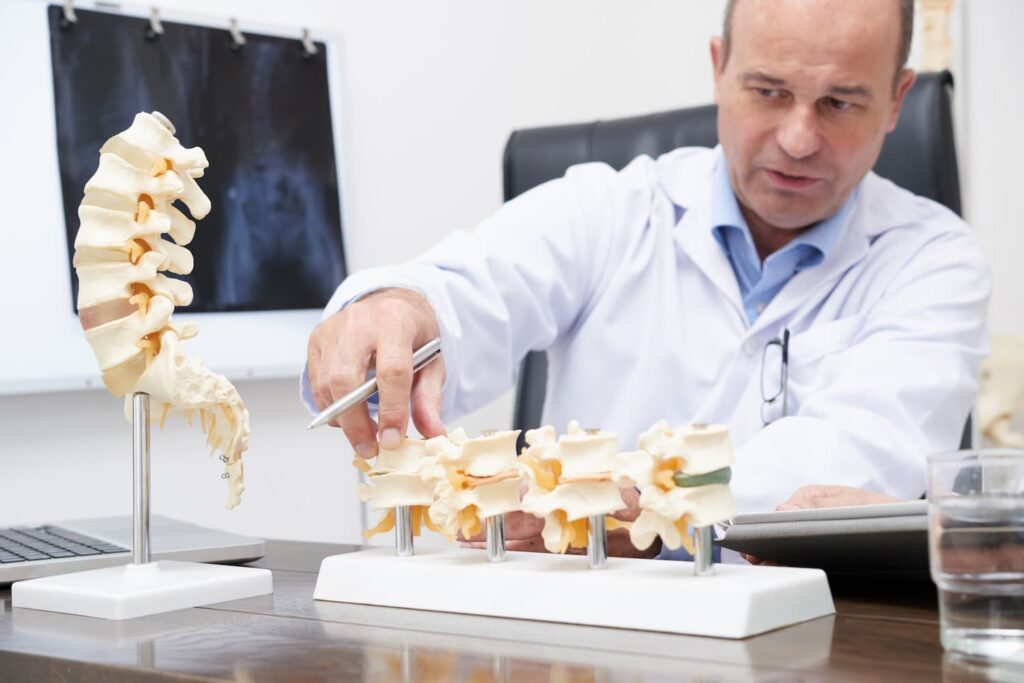
A slipped disc, medically referred to as a herniated or prolapsed disc, occurs when the soft inner portion of a spinal disc pushes through its outer layer. This can happen due to age-related wear and tear, sudden strain, or injury.
The spine is made up of vertebrae cushioned by discs that act as shock absorbers. When one of these discs is damaged, it may press on nearby nerves, leading to pain and discomfort.
Common Symptoms of a Slipped Disc
- Localized lower back pain
- Pain that worsens with movement or sitting
- Muscle weakness
- Tingling or numbness in the legs
- Pain radiating down one side of the body
In many cases, a slipped disc is the underlying cause of sciatica, but not always. This is where the distinction becomes important.
What Is Sciatica?
Sciatica is not a condition in itself but a symptom caused by irritation or compression of the sciatic nerve—the longest nerve in the body. It runs from the lower back through the hips and down each leg.
When this nerve is compressed, it results in a distinct pattern of pain that typically radiates from the lower back down one leg. Patients seeking sciatica treatment in Dubai often describe this pain as sharp, burning, or electric.
Common Symptoms of Sciatica
- Shooting pain from lower back to leg
- Burning or tingling sensation
- Numbness along the nerve pathway
- Pain that worsens when sitting
- Weakness in the affected leg
Unlike general back pain, sciatica follows a nerve pathway, making it easier for an experienced spine specialist in Dubai to identify.
Sciatica vs Slipped Disc: Key Differences
Understanding the difference between sciatica vs slipped disc is crucial for proper treatment.
| Aspect | Slipped Disc | Sciatica |
| Definition | Structural issue in the spine | Nerve-related symptom |
| Cause | Disc herniation or degeneration | Compression of the sciatic nerve |
| Pain Location | Lower back, may radiate | Radiates from back to leg |
| Nature of Pain | Dull, aching, or sharp | Burning, shooting, electric |
| Diagnosis | MRI or imaging required | Based on symptoms and cause |
In simple terms, a slipped disc can lead to sciatica, but sciatica can also be caused by other conditions such as spinal stenosis or muscle inflammation.
What Causes These Conditions?
Both conditions share similar risk factors, especially in modern lifestyles where prolonged sitting and poor posture are common.
Common Causes Include:
- Sedentary lifestyle
- Poor posture
- Heavy lifting or sudden movements
- Age-related degeneration
- Obesity
- Lack of core strength
Patients looking for lower back pain treatment in UAE often have a combination of these contributing factors, making a comprehensive evaluation essential.
When Should You See a Spine Specialist in Dubai?
Not all back pain requires immediate medical attention, but certain signs should not be ignored.
Seek medical advice if you experience:
- Persistent pain lasting more than a few weeks
- Pain radiating down the leg
- Numbness or tingling
- Difficulty walking or standing
- Loss of bladder or bowel control (urgent case)
A qualified spine specialist in Dubai can assess your symptoms, recommend imaging if needed, and create a personalized treatment plan.
Diagnosis: How Doctors Identify the Problem
Diagnosis begins with a detailed consultation, where the doctor evaluates your symptoms, lifestyle, and medical history.
Diagnostic Methods May Include:
- Physical examination
- Neurological assessment
- MRI or CT scan
- X-rays
These tests help differentiate between slipped disc treatment in Dubai needs and cases that require targeted sciatica treatment in Dubai.
Sciatica Treatment in Dubai: What Are Your Options?
Treatment depends on the severity of symptoms and the underlying cause. Most patients respond well to non-surgical approaches.
1. Conservative Treatment
- Rest and activity modification
- Pain management medications
- Anti-inflammatory drugs
- Heat and cold therapy
2. Physiotherapy
A structured physiotherapy program can strengthen muscles, improve flexibility, and reduce nerve pressure. This is often a key part of lower back pain treatment UAE plans.
3. Minimally Invasive Treatments
- Epidural steroid injections
- Nerve block procedures
These treatments are recommended when pain persists despite conservative care.
4. Surgical Treatment
Surgery is considered only when symptoms are severe or do not improve over time. Procedures may include:
- Microdiscectomy
- Laminectomy
An experienced spine specialist in Dubai will always prioritize non-surgical options first.
Slipped Disc Treatment in Dubai
Treatment for a slipped disc follows a similar pathway but focuses more on relieving pressure on the affected disc.
Approaches Include:
- Physical therapy
- Postural correction
- Core strengthening exercises
- Pain management
- Advanced spinal procedures if required
Recovery time varies, but many patients see significant improvement within weeks when treatment is started early.
Recovery and Prevention
Recovery is not just about treatment—it also involves lifestyle adjustments to prevent recurrence.
Tips for Long-Term Spine Health
- Maintain good posture
- Exercise regularly
- Strengthen core muscles
- Avoid prolonged sitting
- Lift objects correctly
- Maintain a healthy weight
Patients who follow these guidelines often reduce the risk of recurring back issues and improve overall quality of life.
Why Early Diagnosis Matters
Ignoring symptoms or self-diagnosing can lead to worsening conditions. What may start as mild discomfort can develop into chronic pain if left untreated.
Early intervention by a qualified spine specialist in Dubai ensures:
- Faster recovery
- Reduced risk of complications
- Avoidance of surgery in many cases
Choosing the Right Spine Specialist in Dubai
When dealing with spine-related conditions, expertise matters. Look for:
- Experience in treating spinal disorders
- Access to advanced diagnostic tools
- A patient-centered approach
- Comprehensive treatment options
At German Medical Center, patients benefit from a multidisciplinary approach, ensuring accurate diagnosis and effective treatment tailored to individual needs.
Final Thoughts
Understanding the difference between a slipped disc and sciatica can help you take the right steps toward recovery. While the symptoms may overlap, the causes and treatments can differ significantly.If you are experiencing persistent back or leg pain, seeking professional evaluation is the first step toward relief. With the right diagnosis and a personalized sciatica treatment in Dubai, most patients can return to their normal activities without long-term complications.