


Feeling tired for a few days or noticing a small change on the scale does not necessarily point to a hormone problem. Bodies respond to stress, sleep, diet, medication and ordinary life changes. However, when symptoms persist, appear together or begin affecting daily life, it may be worth looking beyond the obvious explanations.
Knowing when to see an endocrinologist can help you have a more focused conversation with your healthcare provider. Endocrinologists assess conditions involving hormones, glands and metabolism, including thyroid disorders, diabetes, polycystic ovary syndrome, pituitary conditions and certain bone-health concerns.
The signs below are not a diagnosis. Many have several possible causes, and only a qualified healthcare professional can determine whether hormonal or metabolic testing is appropriate.
Quick answer
You may wish to speak with a doctor about seeing an endocrinologist if you have persistent, unexplained symptoms such as significant weight changes, ongoing fatigue, unusual thirst, frequent urination, irregular periods, temperature sensitivity, muscle weakness or abnormal blood-test results.
A general practitioner can often begin the evaluation and decide whether specialist input is needed. If an endocrine cause is suspected, an endocrinologist in Dubai can review the wider pattern of symptoms, medical history and test results.
Key takeaways
- Hormonal symptoms can be subtle and may overlap with stress, nutritional issues or other health conditions.
- One isolated symptom rarely tells the whole story. Duration, severity and combinations of symptoms matter.
- Persistent thirst, frequent urination, unexpected weight changes and irregular menstrual cycles deserve medical attention.
- An endocrine evaluation may include a physical examination and carefully selected blood or urine tests.
- Severe or rapidly worsening symptoms should be assessed urgently rather than waiting for a routine specialist visit.
What does an endocrinologist evaluate?
Hormones act as chemical messengers. They influence how the body uses energy, regulates blood sugar, responds to stress, maintains bone strength, grows and manages reproductive functions. Endocrinologists investigate what happens when a gland produces too much or too little of a hormone, or when the body does not respond to it as expected.
Because the endocrine system affects so many processes, hormonal imbalance symptoms can look different from one person to another. The goal of an assessment is not simply to order a broad collection of hormone tests. It is to identify a meaningful pattern and select investigations based on the person’s symptoms, history, medication and risk factors.
1. Unexplained weight gain or weight loss
Weight naturally fluctuates, particularly when routines, eating habits or activity levels change. A shift that continues despite no clear lifestyle change may warrant a conversation with your doctor.
Thyroid function, blood-sugar regulation and other metabolic factors are among the possibilities a clinician may consider. Weight change alone does not establish an endocrine condition, but it becomes more relevant when accompanied by fatigue, temperature sensitivity, changes in heart rate or altered bowel habits.
2. Fatigue that does not improve with rest
Everyone experiences tiredness. Persistent exhaustion that remains after adequate rest, however, may deserve further evaluation. Some people describe struggling to start the day, losing stamina during familiar activities or feeling mentally slowed.
Fatigue can arise from sleep difficulties, anaemia, infection, nutritional deficiencies, mood disorders and many other causes. It can also appear in certain thyroid, adrenal or blood-sugar conditions. Keeping a brief record of when the fatigue began and what makes it better or worse can help your doctor assess it.
3. Increased thirst and frequent urination
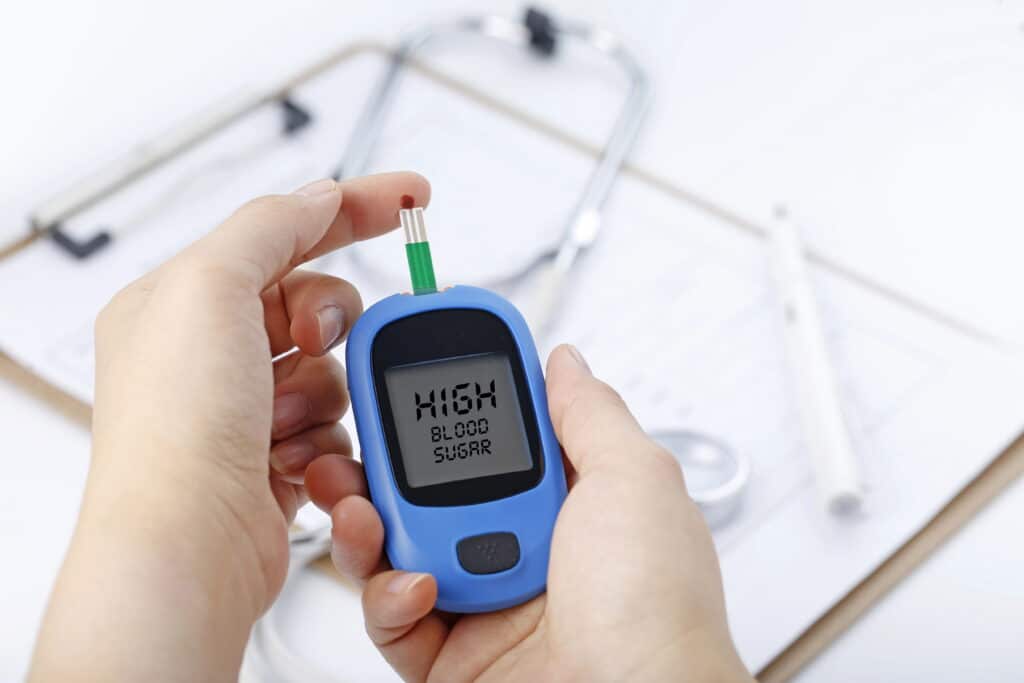
Feeling unusually thirsty, waking repeatedly to urinate or passing urine much more often than usual may be associated with altered glucose regulation. Hot weather and increased fluid intake can also explain these changes, so context matters.
If the symptoms persist, especially alongside blurred vision, tiredness, recurrent infections or unexpected weight loss, arrange a medical assessment. German Medical Center’s diabetes service provides information about diabetes evaluation and ongoing management.
4. Unusual sensitivity to heat or cold
Consistently feeling colder or hotter than the people around you can sometimes be one of the signs of hormonal imbalance, particularly when it is new and occurs with other changes.
Cold sensitivity accompanied by dry skin, constipation or sluggishness may lead a doctor to consider thyroid function. Heat intolerance combined with sweating, tremor, anxiety or a racing heartbeat may prompt a different line of investigation. These symptoms also have non-hormonal explanations, which is why clinical evaluation is important.
5. A racing, slow or irregular heartbeat
Heart rate can change with exercise, caffeine, dehydration, anxiety and medication. Hormones can influence it as well. A resting heartbeat that repeatedly feels unusually fast, slow or irregular should not be self-diagnosed as a thyroid problem, but it should be discussed with a healthcare professional.
Seek urgent help if palpitations occur with chest pain, fainting, severe breathlessness or marked weakness. Those combinations need prompt assessment rather than a routine endocrine appointment.
6. Irregular periods or reproductive changes
A late or irregular period can occur for many reasons. When cycles remain unpredictable, stop unexpectedly or are accompanied by acne, increased facial hair, scalp hair thinning or difficulty becoming pregnant, hormonal assessment may be considered.
Conditions such as polycystic ovary syndrome can involve both reproductive hormones and metabolism. Depending on the main concern, care may involve endocrinology, obstetrics and gynecology or collaboration between the two specialties.
Men may also experience reproductive hormone changes, including reduced libido or other sexual-health symptoms. A doctor can determine which specialty and tests are appropriate.
7. Persistent changes in hair or skin
Dry skin, increased sweating, unexplained acne, thinning scalp hair or a noticeable change in body-hair growth can sometimes accompany hormonal changes. Yet these are also common concerns with dermatological, nutritional, genetic or medication-related causes.
A hormonal evaluation may be more relevant when several changes appear together or when they accompany altered menstrual cycles, weight changes or temperature sensitivity. Avoid relying on commercial “hormone balance” tests without clinical guidance, as individual results need context.
8. Muscle weakness, bone loss or repeated fractures
Gradual loss of strength is easy to dismiss, particularly during a busy period. Difficulty climbing stairs, lifting familiar objects or getting up from a chair may deserve attention when it is persistent or worsening.
Hormonal and metabolic factors can also affect bone density and calcium balance. A low-impact fracture, unexpectedly low bone density or repeated fractures may lead a doctor to consider endocrine contributors. Age, menopause, medication use, nutrition and family history would usually form part of that assessment.
9. Changes in mood, sleep or concentration
Hormones can influence sleep, energy and emotional wellbeing, but mood changes are not automatically hormonal. Anxiety, low mood, irritability, poor concentration and disturbed sleep may arise from psychological, neurological, lifestyle or medical factors.
Tell your doctor about the full pattern rather than focusing on a single explanation. If these symptoms occur with weight changes, altered periods, tremor, sweating or pronounced fatigue, endocrine testing may be one part of a broader evaluation.
10. Abnormal laboratory results or difficult-to-manage symptoms
Sometimes the reason to see a specialist is not a new symptom but a test result. Abnormal thyroid levels, repeated high glucose readings, unusual calcium levels or another hormone-related finding may require interpretation by an endocrinologist.
Specialist advice may also be useful when an established condition is difficult to manage, symptoms continue despite initial care or several body systems appear to be involved. Some metabolic disorder symptoms are nonspecific, so the relationship between results and symptoms matters more than a single number viewed in isolation.
What happens during an endocrine evaluation?
An appointment usually begins with a detailed conversation. The clinician may ask when symptoms started, how they have changed, which medicines or supplements you take and whether close relatives have diabetes, thyroid disease, osteoporosis or other endocrine conditions.
A physical examination may follow. Depending on the concern, a doctor might assess the thyroid area, blood pressure, heart rate, skin or other relevant features. Blood or urine testing may be recommended, but the exact investigations should be tailored to the clinical picture.
Bringing previous reports, a current medication list and a short symptom timeline can make the consultation more productive. Avoid stopping prescribed medication or starting hormone supplements unless your treating doctor advises it.
Should you see a GP or an endocrinologist first?
If your symptoms are new, general or difficult to describe, General Practice at German Medical Center can provide an initial assessment and coordinate further care. A GP may identify a straightforward explanation, request first-line tests or refer you to the relevant specialist.
Direct consultation with the Endocrinology Department may be suitable if you already have abnormal hormone results, an established endocrine diagnosis or a referral recommending specialist evaluation.
When should you seek urgent care?
Do not wait for a routine appointment if symptoms are severe or rapidly worsening. Confusion, fainting, severe dehydration, persistent vomiting, chest pain, major breathing difficulty or a significant change in consciousness may require urgent medical attention.
This is particularly important for people with diabetes or another diagnosed endocrine condition. Follow the emergency plan provided by your treating clinician and contact local emergency services when necessary.
Listen to patterns, not isolated moments
Understanding when to see an endocrinologist is less about identifying one definitive warning sign and more about noticing a persistent pattern. Symptoms that are unexplained, occur together or interfere with daily activities deserve a thoughtful medical review.
German Medical Center in Dubai Healthcare City offers endocrinology, diabetes, general-practice and women’s-health services for patients who need further evaluation. A consultation cannot guarantee a particular diagnosis, but it can help clarify whether hormonal or metabolic factors should be investigated and what the next appropriate step may be.
This article is intended for general educational purposes and is not a substitute for individual medical advice, diagnosis or emergency care.