

Heavy periods can change the rhythm of daily life. What starts as slightly longer cycles may turn into exhausting bleeding that interferes with work, sleep, and simple routines. Add persistent pelvic discomfort to the picture, and many women begin to wonder whether something deeper is happening.
In many cases, these symptoms lead to a diagnosis of uterine fibroids. They are one of the most common conditions affecting women during their reproductive years. Yet many patients spend years managing symptoms without knowing the real cause.
At German Medical Center in Dubai, women often visit the clinic believing their symptoms are simply part of hormonal imbalance or stress. During evaluation, the underlying reason frequently turns out to be fibroids. Understanding what they are and how they affect the body helps patients make informed decisions about treatment.
What Are Uterine Fibroids?
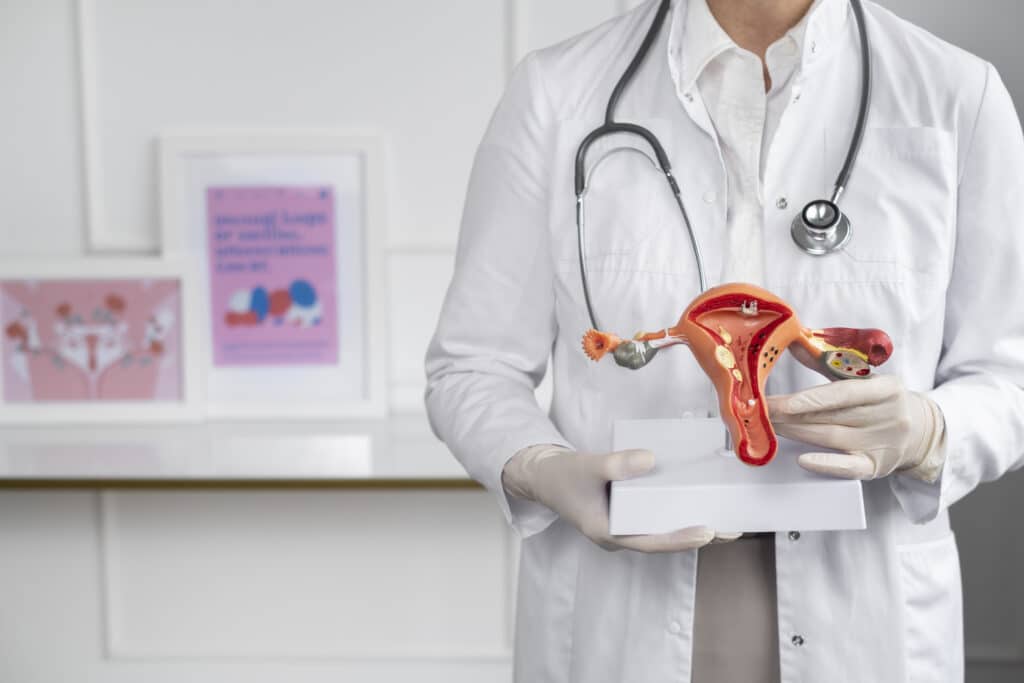
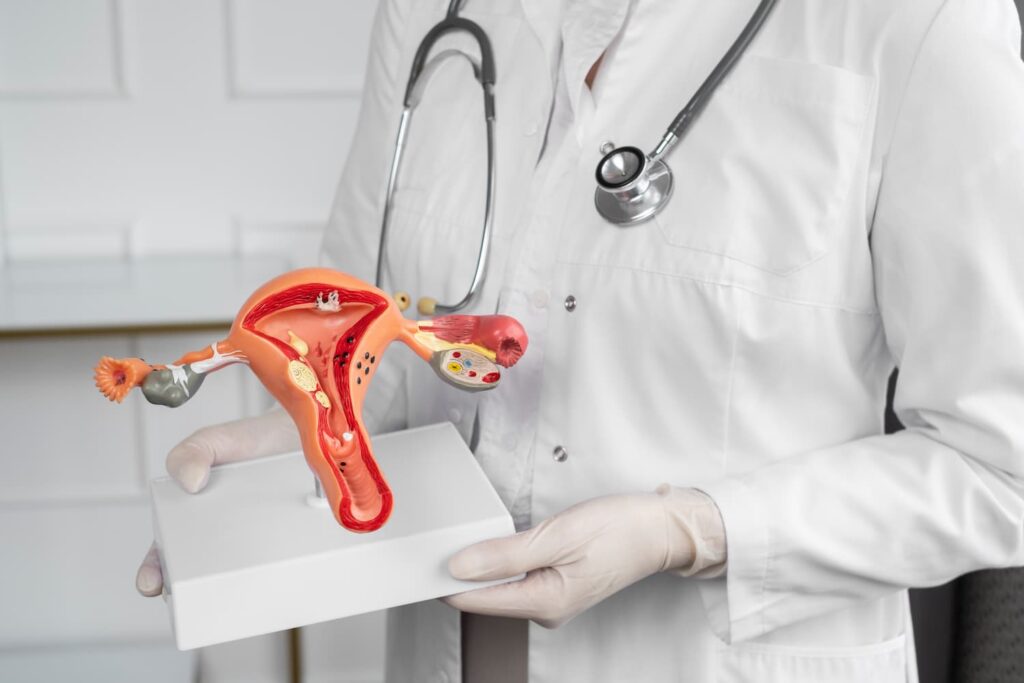
Uterine fibroids are non-cancerous growths that develop in the muscle wall of the uterus. Doctors may also refer to them as leiomyomas or simply fibroids.
They vary in size. Some remain as small nodules that cause few symptoms. Others grow large enough to change the shape of the uterus and create noticeable discomfort.
The interesting part is that fibroids can behave very differently from one patient to another. Some women live with them for years without noticing anything unusual. Others develop heavy menstrual bleeding, abdominal pressure, or fertility challenges.
Hormones, especially estrogen and progesterone, influence their growth. That explains why fibroids often appear during reproductive years and sometimes shrink after menopause.
The Symptoms Women Should Not Ignore
The body has a way of signaling when something is wrong. The challenge is that many women normalize symptoms that deserve medical attention.
One of the most common warning signs is heavy menstrual bleeding. This might mean soaking through sanitary products quickly, passing large clots, or having periods that last longer than a week.
Pelvic discomfort is another frequent complaint. Some women describe a dull pressure in the lower abdomen. Others feel persistent pain that intensifies during menstruation.
Fibroids may also cause other changes in the body. Patients sometimes notice frequent urination because a growing fibroid presses against the bladder. Constipation can appear if the fibroid pushes toward the bowel.
Fatigue becomes another issue. Heavy bleeding often leads to iron deficiency anemia, which leaves many patients feeling drained throughout the day.
When these symptoms appear together, doctors usually recommend imaging tests to check for uterine fibroids.
Why Fibroids Develop
Doctors still study the exact reasons fibroids form, but several patterns appear repeatedly in clinical practice.
Hormones play a strong role. Fibroids grow in response to estrogen and progesterone, the same hormones that regulate the menstrual cycle.
Genetics also matter. Women with a family history of fibroids are more likely to develop them themselves.
Lifestyle and metabolic factors may contribute as well. Research has suggested that obesity, early menstruation, and certain dietary habits may increase risk. The relationship is complex, though, and every patient presents a different combination of factors.
What matters most is recognizing symptoms early so the condition can be monitored or treated before it begins to affect quality of life.
When Heavy Periods Become a Medical Concern
Many women hesitate to discuss menstrual issues because they assume heavy bleeding is normal.
In reality, there are clear indicators that suggest a medical evaluation is necessary.
If periods regularly last longer than seven days, or if bleeding interferes with daily activities, it deserves attention. Severe cramps, persistent pelvic pressure, or noticeable abdominal swelling also indicate that the uterus may be under strain.
These symptoms don’t always point to fibroids. Other conditions, including endometriosis or hormonal imbalance, can create similar effects.
That is why professional evaluation is important. Imaging tests such as ultrasound or MRI allow doctors to see what is happening inside the uterus.
How Uterine Fibroids Are Diagnosed
Diagnosis usually begins with a conversation. Doctors ask about menstrual history, pain patterns, and any changes in cycle regularity.
From there, imaging plays a key role.
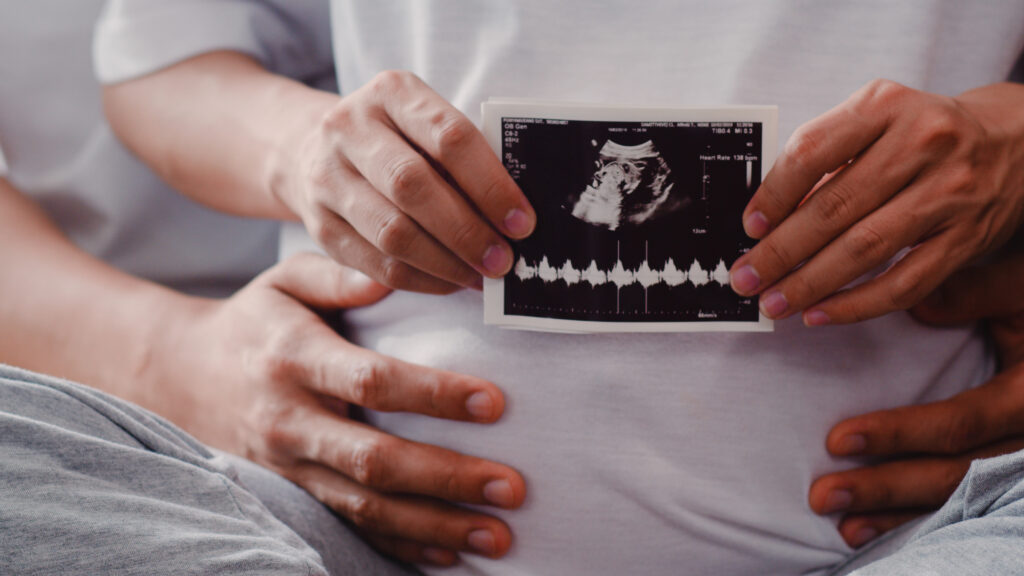
Ultrasound is the most common diagnostic tool. It allows physicians to identify fibroids, measure their size, and determine their location in the uterus.
In some situations, MRI scans provide more detailed images. This is especially useful when fibroids are numerous or when surgical planning becomes necessary.
At German Medical Center, patients often consult Dr. Martin Sillem, a highly respected gynecologist with extensive experience in diagnosing and managing complex gynecological conditions, including uterine fibroids.
Early diagnosis allows doctors to track growth patterns and decide whether treatment is necessary.
Treatment Options for Uterine Fibroids in Dubai
Treatment depends on several factors. The size and number of fibroids matter, but symptoms play an even bigger role.
Some women require only monitoring if fibroids remain small and symptom-free. Others need active treatment to control bleeding and pain.
Doctors may recommend medication to manage hormone levels and reduce symptoms. These treatments do not eliminate fibroids permanently, but they can slow growth and provide relief.
Minimally invasive procedures are another option. Techniques such as uterine artery embolization reduce blood supply to fibroids, causing them to shrink over time.
Surgery becomes necessary in certain cases. Procedures range from removing individual fibroids while preserving the uterus to more extensive operations when symptoms are severe.
The goal is always the same: relieve symptoms while preserving reproductive health whenever possible.
Living With Fibroids: What Patients Often Ask
One question appears frequently during consultations.
Will fibroids affect fertility?
The answer depends on the fibroid’s location and size. Fibroids that distort the uterine cavity can sometimes interfere with implantation or pregnancy. Others have little effect.
Another common concern involves recurrence. Even after successful removal, fibroids can return because the underlying hormonal environment remains the same.
That is why follow-up care and monitoring remain important after treatment.
Lifestyle changes can also help support overall reproductive health. Balanced nutrition, regular exercise, and managing stress contribute to hormonal balance, though they cannot eliminate fibroids entirely.
When to Seek Medical Advice
Many patients delay seeing a doctor because symptoms appear gradually.
Yet early consultation makes treatment simpler.
If you experience persistent pelvic pain, unusually heavy periods, or pressure in the lower abdomen, a gynecological evaluation is worth considering. These symptoms often indicate conditions that respond well to treatment once properly diagnosed.
At German Medical Center in Dubai, women receive comprehensive care that focuses not only on treating fibroids but also on understanding the broader picture of reproductive health.
Consultations with Dr. Martin Sillem allow patients to explore both medical and surgical solutions while receiving clear guidance on what approach fits their situation best.
Understanding Your Body Matters
Menstrual health often gets pushed aside in busy lives. Many women adapt to discomfort rather than asking why it happens.
But heavy bleeding and pelvic pain are not simply inconveniences. They are signals worth investigating.
Uterine fibroids remain one of the most common reasons behind these symptoms, yet they are also highly manageable when diagnosed early.
If you notice changes in your cycle or persistent pelvic discomfort, it may be time to speak with a specialist. Understanding what your body is telling you is the first step toward better health.