

Menopause Symptoms Affecting Your Daily Life? Here’s What You Can Do
Menopause is a natural phase in every woman’s life, yet that does not mean it is always easy. For many women, the transition can bring physical, emotional, and mental changes that affect daily routines, work performance, relationships, and overall quality of life.
While some women experience only mild discomfort, others find that menopause symptoms become difficult to ignore. Hot flashes during meetings, interrupted sleep, unexpected mood changes, and persistent fatigue can make even simple daily activities more challenging.
Understanding what is happening in your body and seeking the right support can make a significant difference. In this guide, we explore the most common symptoms, why they occur, and what you can do to manage them effectively.
What Is Menopause?
Menopause marks the end of a woman’s reproductive years. It is officially diagnosed when a woman has gone 12 consecutive months without a menstrual period.
Most women reach menopause between the ages of 45 and 55, although the timing can vary. The years leading up to menopause are known as perimenopause, a period during which hormone levels fluctuate and symptoms often begin.
During this transition, the ovaries gradually produce less estrogen and progesterone. These hormonal changes affect multiple systems throughout the body, leading to a wide range of symptoms.
Common Menopause Symptoms
Every woman experiences menopause differently. Some notice only minor changes, while others experience symptoms that significantly impact their daily lives.
Hot Flashes and Night Sweats
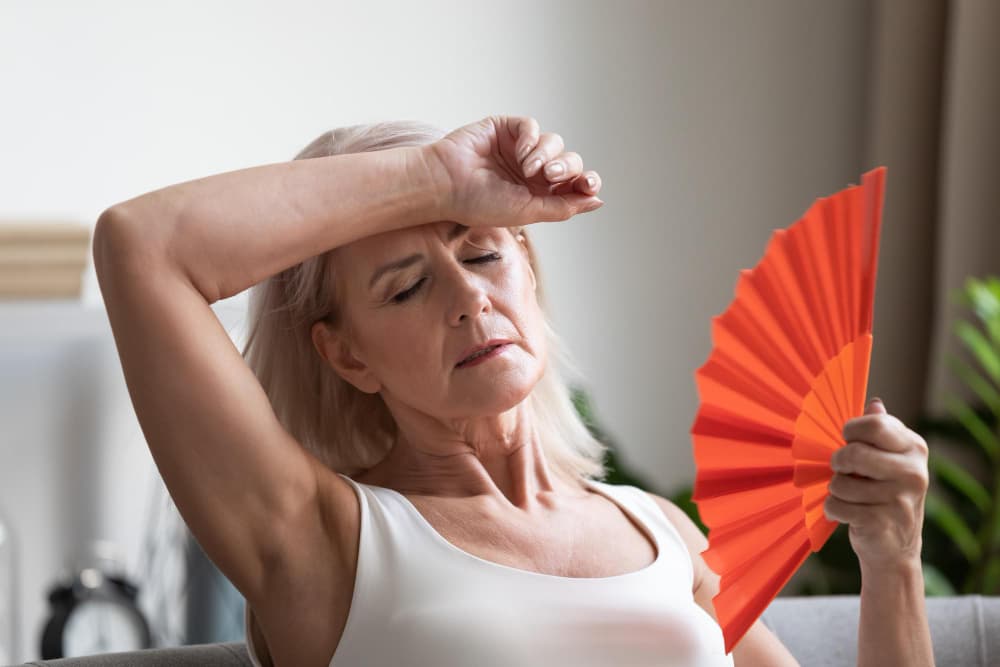
Hot flashes are among the most recognized signs of menopause. They often begin suddenly, causing a sensation of heat that spreads through the face, neck, and chest.
Night sweats are essentially hot flashes that occur during sleep. They can disrupt rest, leaving women feeling tired and irritable the following day.
Sleep Disturbances
Many women find it difficult to fall asleep or stay asleep during menopause. Hormonal changes, combined with night sweats and increased anxiety, often contribute to poor sleep quality.
Over time, chronic sleep disruption can affect concentration, memory, mood, and energy levels.
Mood Changes
Emotional fluctuations are common during menopause. Some women experience increased irritability, anxiety, or feelings of sadness.
Hormonal shifts can influence neurotransmitters in the brain, affecting emotional well-being. Sleep deprivation and lifestyle stressors may further intensify these changes.
Fatigue and Low Energy
Persistent tiredness is another common complaint. Even after a full night’s rest, some women report feeling drained throughout the day.
Fatigue can affect productivity, motivation, exercise habits, and social interactions.
Weight Gain
Many women notice changes in body composition during menopause. Weight may accumulate around the abdomen, even when eating habits have not changed significantly.
Slower metabolism, hormonal fluctuations, and age-related muscle loss all contribute to this challenge.
Brain Fog and Memory Issues
Difficulty concentrating, forgetfulness, and mental sluggishness are often described as “brain fog.”
Although these symptoms can be frustrating, they are frequently associated with hormonal changes and are generally manageable with appropriate lifestyle adjustments.
Vaginal Dryness and Discomfort
Reduced estrogen levels can affect vaginal tissues, leading to dryness, irritation, and discomfort during intimacy.
These symptoms may influence relationships and self-confidence if left untreated.
Joint and Muscle Pain
Some women experience increased stiffness, joint discomfort, or muscle aches during menopause. Hormonal changes can affect inflammation levels and tissue health, contributing to these symptoms.
How Menopause Symptoms Affect Daily Life
Menopause is more than a medical milestone. It can influence nearly every aspect of daily living.
At work, fatigue and brain fog may reduce productivity and concentration. At home, mood swings and disrupted sleep can affect relationships with family members. Physically, hot flashes and discomfort may interfere with exercise routines and social activities.
For many women, the combination of symptoms creates a cycle. Poor sleep leads to fatigue, fatigue contributes to irritability, and irritability increases stress levels. Understanding this cycle is often the first step toward effective menopause management.
When Should You Seek Medical Advice?
Although menopause is natural, severe symptoms should not be ignored.
Consider speaking with a healthcare professional if you experience:
- Frequent or severe hot flashes
- Persistent sleep disturbances
- Significant mood changes
- Heavy or irregular bleeding
- Pain during intimacy
- Ongoing fatigue affecting daily activities
- Concerns about bone health or heart health
Early evaluation can help identify other medical conditions that may mimic menopause symptoms and ensure you receive appropriate support.
Practical Ways to Manage Menopause Symptoms
There is no single solution that works for everyone. Successful menopause management often involves a combination of lifestyle adjustments and medical guidance.
Prioritize Sleep
Improving sleep quality can reduce many menopause-related symptoms.
Consider:
- Maintaining a consistent sleep schedule
- Keeping your bedroom cool
- Limiting caffeine in the evening
- Reducing screen time before bed
- Practicing relaxation techniques
Even small improvements in sleep can positively affect mood, energy, and mental clarity.
Stay Physically Active
Regular exercise offers multiple benefits during menopause.
Physical activity can help:
- Improve sleep quality
- Support weight management
- Enhance mood
- Strengthen bones
- Maintain muscle mass
Walking, swimming, yoga, strength training, and cycling are excellent options for many women.
Focus on Nutrition
A balanced diet plays a key role in managing symptoms and supporting long-term health.
Women experiencing menopause should prioritize:
- Fruits and vegetables
- Lean protein sources
- Whole grains
- Calcium-rich foods
- Vitamin D sources
Reducing processed foods and excessive sugar may also help stabilize energy levels and support weight control.
Manage Stress
Stress can worsen many menopause symptoms.
Mindfulness, meditation, breathing exercises, and spending time outdoors can help regulate stress levels. Some women also benefit from counseling or support groups during this stage of life.
Stay Hydrated
Drinking adequate water may help reduce feelings of fatigue and support overall well-being.
Hydration can also assist with skin health and help manage certain symptoms associated with hormonal changes.
Medical Treatment Options for Menopause
For women experiencing significant discomfort, professional treatment can provide meaningful relief.
Hormone Replacement Therapy (HRT)
Hormone replacement therapy remains one of the most effective treatments for moderate to severe menopause symptoms.
HRT works by replacing declining hormone levels, helping reduce:
- Hot flashes
- Night sweats
- Vaginal dryness
- Sleep disturbances
However, treatment suitability varies from person to person. A healthcare provider will evaluate medical history, risk factors, and individual needs before recommending therapy.
Non-Hormonal Treatments
Some women may not be candidates for hormone therapy or may prefer alternative approaches.
Non-hormonal treatments may include:
- Prescription medications
- Vaginal moisturizers and lubricants
- Lifestyle interventions
- Nutritional support
- Targeted symptom management strategies
Personalized Menopause Care
The most effective approach often involves a personalized treatment plan. Each woman’s symptoms, health history, and lifestyle factors are unique.
A comprehensive assessment can help identify the most appropriate solutions for long-term comfort and well-being.
Understanding Perimenopause Symptoms
Many women begin experiencing changes years before menopause officially occurs.
Common perimenopause symptoms include:
- Irregular menstrual cycles
- Mood fluctuations
- Hot flashes
- Sleep disturbances
- Reduced energy levels
- Changes in libido
Recognizing these early signs can help women seek support sooner and prepare for the transition ahead.
The Connection Between Hormone Imbalance and Menopause
Many menopause symptoms are directly linked to a hormone imbalance in women caused by declining estrogen and progesterone levels.
Hormones influence numerous bodily functions, including:
- Body temperature regulation
- Mood stability
- Sleep cycles
- Bone health
- Metabolism
- Reproductive health
Understanding this connection helps explain why menopause affects women in such diverse ways and highlights the importance of individualized care.
Looking Ahead With Confidence
Menopause is a natural transition, but that does not mean you need to struggle through it alone. Whether you are experiencing occasional hot flashes or symptoms that significantly affect your daily life, support is available.
By understanding the causes of menopause symptoms, making healthy lifestyle choices, and exploring appropriate treatment options, many women successfully navigate this stage with greater comfort and confidence.
At German Medical Center, our experienced specialists provide comprehensive assessment and personalized care for women experiencing menopause and hormonal changes. With the right guidance and treatment plan, it is possible to improve symptom control, restore quality of life, and maintain long-term health during this important phase of life.