

7 Facts About Endometriosis Every Woman Should Know
Some women grow up believing severe period pain is normal. They’re told to tolerate it. Take a painkiller. Rest. It will pass.
But sometimes, it doesn’t pass. And that’s where the conversation about endometriosis needs to begin.
At German Medical Center, we regularly meet women who have been living with unexplained pelvic pain for years. Many of them had no idea their symptoms had a name. If you’ve ever wondered whether your pain is “too much,” this article is for you.
1. Endometriosis Is More Than Painful Periods
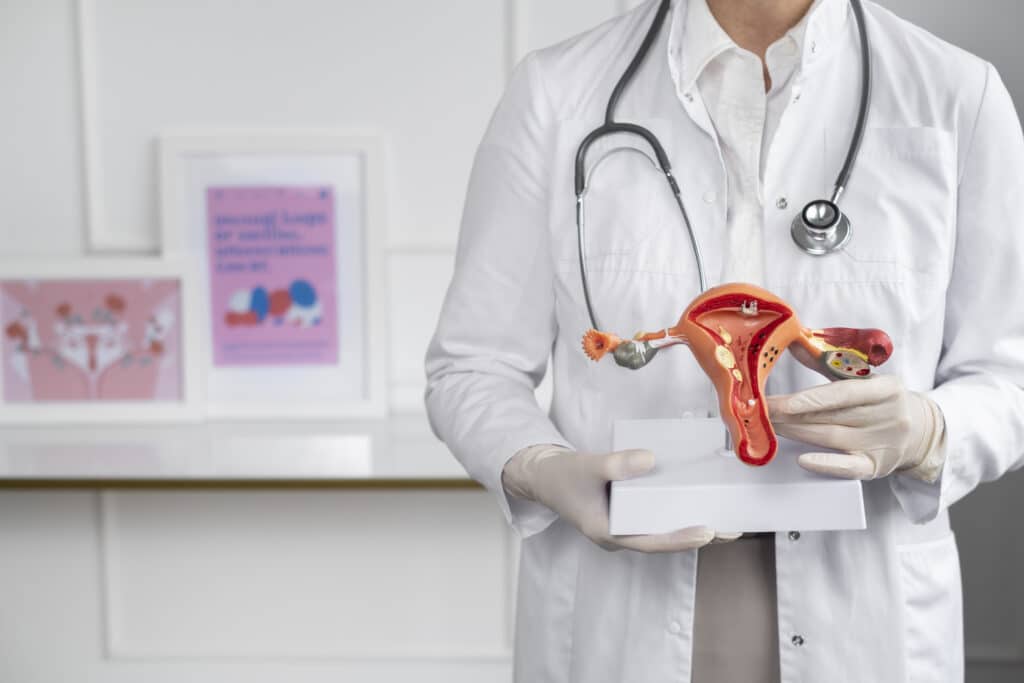
Endometriosis happens when tissue similar to the lining of the uterus grows outside the uterus. It can attach to the ovaries, fallopian tubes, bladder, or even the bowel. Each month, this tissue responds to hormonal changes. It thickens. It breaks down. But unlike menstrual blood, it has nowhere to go.
That trapped tissue causes inflammation, irritation, and scarring.
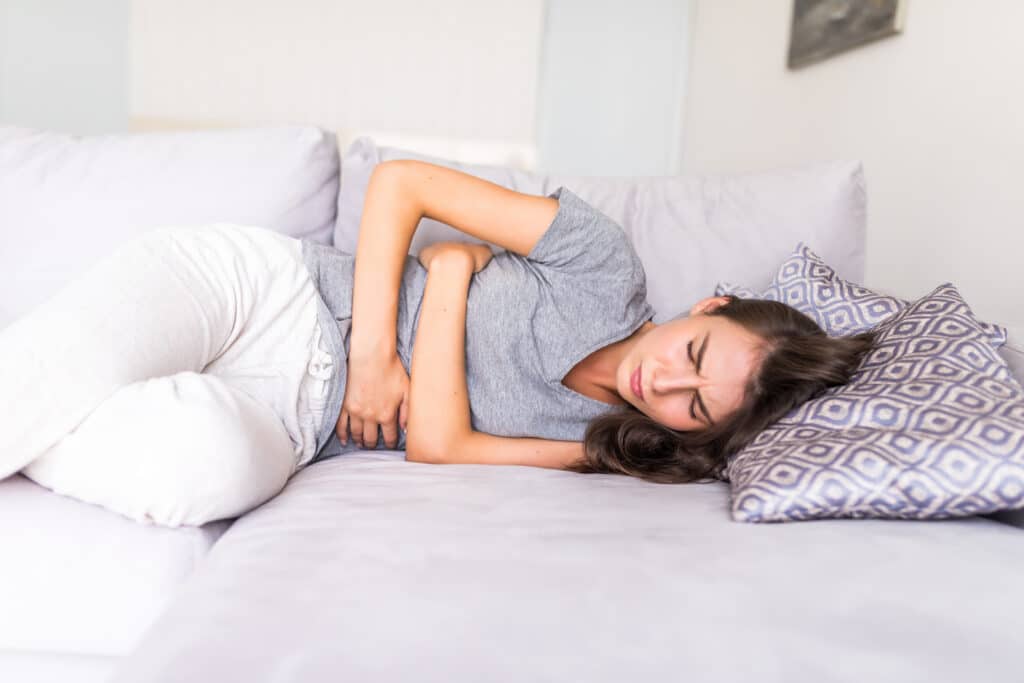
The result is often intense chronic pelvic pain, especially during menstruation. But pain may also appear during ovulation, intimacy, bowel movements, or even randomly throughout the month.
If your period stops you from going to work or school, that isn’t something to ignore.
2. Diagnosis Often Takes Years
On average, women wait several years before receiving a confirmed diagnosis of endometriosis. Why? Because symptoms vary. Some women have severe pain with small lesions. Others have extensive disease with mild discomfort.
Imaging like ultrasound can help, but small areas may not always be visible. In some cases, laparoscopy remains the only way to confirm the condition.
Here’s the difficult part. Many women are told their pain is stress-related or “just hormonal.” That delay can affect quality of life, relationships, and even mental health.
If you suspect something isn’t right, trust that instinct.
3. Endometriosis Can Affect Fertility
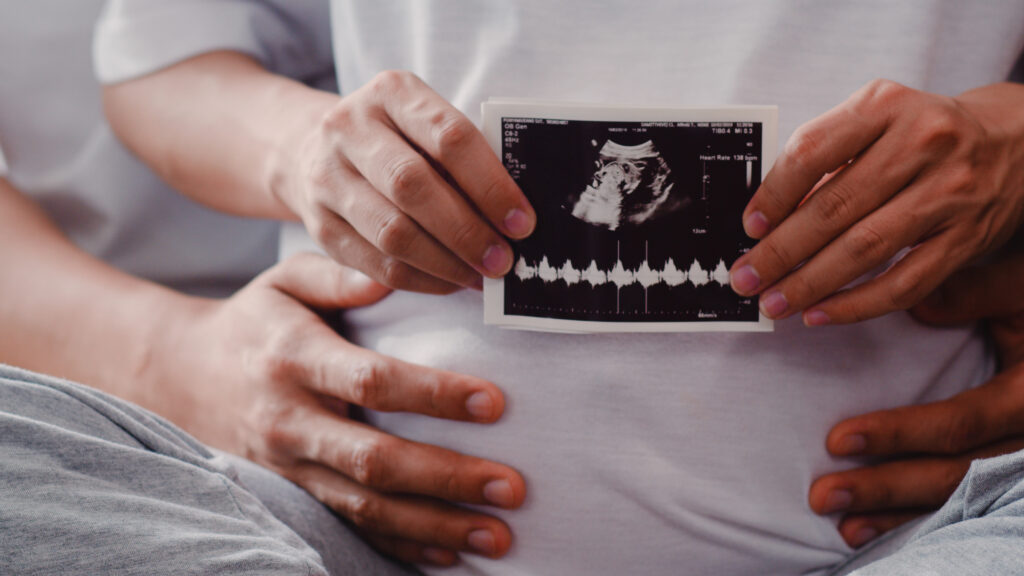
Not every woman with endometriosis struggles to conceive. But there is a clear link between the condition and infertility.
Scar tissue can block fallopian tubes. Inflammation can affect egg quality. Ovarian cysts known as endometriomas may interfere with ovulation.
Understanding the relationship between fertility and endometriosis early makes a difference. Some women may benefit from early fertility assessment or preservation strategies, especially if surgery is being considered.
This doesn’t mean pregnancy is impossible. Many women conceive naturally or with medical support. It simply means planning matters.
4. Symptoms Go Beyond the Pelvis
When people think about endometriosis symptoms, they usually picture cramps. But the reality is broader.
Women may experience:
- Persistent lower back pain
- Pain during or after intimacy
- Painful bowel movements
- Fatigue that doesn’t improve with rest
- Heavy or irregular bleeding
Yes, the condition centers in the pelvis. But the impact spreads further. Living with ongoing pain drains energy. It affects mood. It shapes daily routines.
And that’s something many people underestimate.
5. It’s a Chronic Condition, Not a Temporary Phase
Endometriosis doesn’t simply disappear after a few months. It’s a long-term condition that requires thoughtful management.
Hormonal therapies may reduce symptoms by limiting the monthly cycle. Pain management strategies can help during flare-ups. In more severe cases, surgery may remove lesions and scar tissue.
Choosing the right endometriosis treatment depends on age, symptom severity, fertility goals, and overall health. There isn’t a single solution that fits everyone.
This is where individualized care matters.
6. Surgery Isn’t Always the First Step
There’s a common belief that surgery is the only effective answer. That’s not always true.
For some women, medication and lifestyle adjustments provide meaningful relief. For others, especially those with advanced disease or fertility challenges, minimally invasive surgery offers improvement.
What’s important is careful evaluation. Jumping straight to surgery without proper assessment isn’t ideal. But delaying needed intervention can also prolong suffering.
A balanced approach works best.
7. Early Evaluation Changes Outcomes
The earlier endometriosis is identified, the better the long-term outlook. Early care can reduce scar formation, protect fertility, and help women regain control over their daily lives.
If you experience recurring pelvic pain, painful periods that worsen over time, or unexplained fertility challenges, it’s worth seeing a specialist.
At German Medical Center in Dubai, our gynecology team takes persistent pain seriously. We listen first. Then we investigate thoroughly. Women deserve answers, not dismissal.
When Should You See a Specialist?
If pain interferes with work, sleep, relationships, or emotional well-being, it’s time. If over-the-counter medication barely touches the discomfort, it’s time. If you’ve been trying to conceive for months without success and also experience painful cycles, it’s definitely time.
There’s no award for enduring pain quietly.
A Final Thought
Endometriosis is common, but suffering in silence shouldn’t be. The condition affects millions of women worldwide, yet awareness still lags behind reality.
Understanding endometriosis symptoms, knowing how fertility and endometriosis connect, and exploring appropriate endometriosis treatment options can change the trajectory of someone’s life.
If something feels wrong, don’t wait years to confirm it.
Start with a conversation. That’s usually where clarity begins.