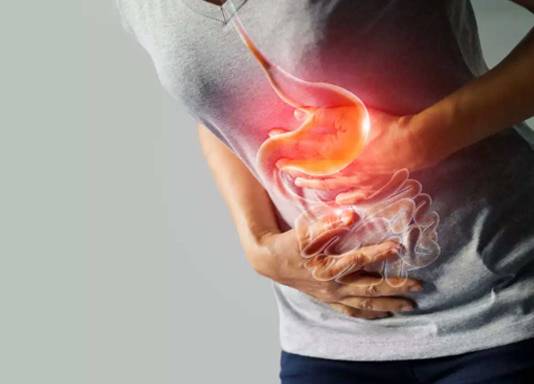


In short: Most typical acid reflux is assessed from symptoms and medical history before invasive testing. Upper endoscopy may be recommended when symptoms suggest a complication or another disease, when swallowing is difficult, bleeding or weight loss occurs, or when symptoms persist despite appropriate treatment. The decision depends on the complete clinical picture.
Key takeaways
- Typical heartburn often does not need immediate endoscopy.
- Difficulty swallowing, bleeding and unexplained weight loss require medical review.
- Endoscopy can identify inflammation, narrowing and other structural disease.
- A normal endoscopy does not exclude reflux; pH monitoring may answer a different question.
What persistent reflux means
Gastroesophageal reflux occurs when stomach contents move upward into the oesophagus. Heartburn and regurgitation are common symptoms. GERD is generally used when reflux is frequent, troublesome or causes complications.
Chest discomfort should not automatically be assumed to come from reflux. New, severe or exertional chest pain, especially with sweating, breathlessness or pain spreading to the arm or jaw, needs urgent medical assessment.
When endoscopy becomes more likely
- difficulty or pain with swallowing
- food sticking or progressive swallowing problems
- vomiting blood or black stools
- unexplained iron-deficiency anaemia
- unintentional weight loss
- persistent vomiting
- symptoms that do not improve with an appropriate treatment trial
- concern for Barrett’s oesophagus or another complication based on individual risk
Alarm features do not always mean serious disease, but they change the threshold for investigation. The gastroenterologist also considers age, family history, medicine use and previous test results.
What happens during upper endoscopy
A flexible camera passes through the mouth to inspect the oesophagus, stomach and first part of the small intestine. Sedation or anaesthesia arrangements vary. Biopsies may be taken even when the lining looks normal because microscopic disease cannot always be seen directly.
Endoscopy can show oesophagitis, ulcers, narrowing, a hiatal hernia, Barrett’s change or another structural explanation. It also has risks, including reactions to sedation, bleeding, infection and rarely perforation. The team should explain preparation, medicine changes and aftercare.
What a normal endoscopy means
Many people with reflux symptoms have a normal-looking oesophagus. A normal examination can rule out some structural problems but does not by itself prove that symptoms are unrelated to reflux.
Ambulatory pH monitoring measures acid exposure in the oesophagus and may be used when diagnosis remains uncertain or before selected procedures. Manometry measures oesophageal muscle function and answers a different question. Test selection should match the clinical problem.
Steps before and after testing
- Review symptom pattern, medicines, diet, weight change and alarm features.
- Use an appropriate lifestyle and medication plan when clinically suitable.
- Arrange endoscopy when the history, risk or treatment response indicates it.
- Review biopsy results and decide whether additional functional testing is needed.
- Agree on the lowest effective long-term plan and follow-up for any complication.
How to prepare for the consultation
- record how often symptoms occur and whether they wake you
- note swallowing difficulty, bleeding or weight loss
- bring all medicines including antacids and supplements
- describe what treatment you tried, dose and duration
- bring previous endoscopy and biopsy reports
Care at German Medical Center
German Medical Center’s Gastroenterology Department lists acid reflux, ulcers and endoscopic investigation among its services. A gastroenterologist can determine whether endoscopy, pH monitoring or another test is appropriate.
You can also review Gastroenterology Clinic and Internal Medicine Clinic for relevant service and related-care information.
To discuss your symptoms or test results, Contact German Medical Center to request an appointment with the relevant department in Dubai Healthcare City. The clinician will determine whether further testing or treatment is appropriate for you.
Frequently asked questions
Can reflux be diagnosed without endoscopy?
Yes. Typical symptoms are often assessed from history and response to an appropriate treatment plan. Testing is added when alarm features, complications or diagnostic uncertainty are present.
Does heartburn always come from acid reflux?
No. Heart and lung disease, medication injury, ulcers, gallbladder problems and oesophageal movement disorders can cause similar symptoms. New or severe chest pain needs urgent assessment.
Can endoscopy detect Barrett’s oesophagus?
Endoscopy can identify suspicious lining changes and allows biopsy. Barrett’s diagnosis depends on pathology and location, not appearance alone.
Should reflux medicine be stopped before endoscopy?
Instructions depend on the purpose of the examination and the medicine. Do not stop prescribed treatment unless the gastroenterologist or endoscopy unit tells you to do so.
What if endoscopy is normal?
The clinician may adjust treatment, reconsider other diagnoses or use reflux monitoring when confirmation would change management. A normal examination is useful information, not proof that symptoms are imagined.
Medical disclaimer
This article provides general health information and does not replace an individual consultation, diagnosis or treatment plan. Symptoms can have several causes. Seek urgent medical care for severe, sudden or rapidly worsening symptoms.