

Early Signs of Diabetes Most People Ignore
Most people don’t wake up one morning and realize they have diabetes. It usually creeps in quietly, showing up in small changes that feel easy to dismiss. A little more thirst than usual. Feeling tired even after a full night’s sleep. A few extra bathroom trips during the day. None of these sound alarming on their own, and that’s exactly why so many cases go unnoticed.
Diabetes is a disease that affects how your body handles sugar in the blood. When blood sugar isn’t managed well, it slowly puts stress on nearly every system in the body, including the heart, kidneys, nerves, and eyes. According to American and United Health Data, nearly percent of adults with diabetes don’t even know they have it. That’s a serious problem, because early action can protect long-term health.
Understanding the early signs matters more than people think. These symptoms don’t always feel dramatic, but they often appear years before diagnosis. Paying attention early can reduce risk, prevent complications, and help you protect both your heart health and overall well-being.
Why Early Signs Are Easy to Miss
The body is good at adapting. When blood sugar levels rise slowly, your system adjusts just enough to keep things moving. You still go to work. You still exercise. You still eat and sleep. But underneath, the strain builds.
Many symptoms diabetes causes are subtle. Fatigue, for example, gets blamed on stress or poor sleep. Slight weight changes feel normal with age. Frequent thirst gets brushed off as dehydration. People don’t connect these dots because they don’t expect a chronic disease to feel so ordinary at first.
This is especially true for women. Studies show that early signs diabetes present in women are often mistaken for hormonal changes, stress, or lifestyle issues. In women united populations, diabetes is a leading cause of death women experience through heart disease and stroke later in life.
That’s why awareness matters. Knowing the warning signs gives you a chance to act before damage builds up.
Constant Thirst and Frequent Urination
One of the most common early symptoms is feeling thirsty all the time. When sugar builds up in the blood, the kidneys work harder to remove excess glucose. That process pulls water from the body, which leads to dehydration.
As a result, you drink more. Then you urinate more. This cycle can continue for months. Frequent bathroom trips, especially at night, are often brushed off as normal aging or drinking more fluids. But frequent urination combined with thirst is one of the clearest early signs.
This process also affects blood pressure. Dehydration can cause fluctuations, which puts extra stress on the heart. Over time, high blood sugar and high blood pressure together increase the risk developing heart disease.
Fatigue That Doesn’t Make Sense
Everyone feels tired sometimes. The difference here is persistence. When sugar stays in the blood instead of entering cells, your body lacks usable energy. You eat, but your cells still feel starved.
This type of fatigue doesn’t always improve with rest. You might feel drained mid-day or struggle to focus, even after sleeping well. Many people assume it’s stress or workload, while the real cause is unstable glucose levels.
Left unmanaged, this ongoing fatigue affects heart health, mental clarity, and daily performance. It’s one of those symptoms diabetes creates that slowly chips away at quality of life.
Unexplained Weight Changes
Unexpected weight loss or weight gain can both signal trouble. When the body can’t use sugar properly, it starts breaking down muscle and fat for energy. This leads to weight loss even when eating normally.
In other cases, insulin resistance causes weight gain, especially around the abdomen. This pattern is closely linked to heart disease and metabolic problems. Weight changes without a clear cause should always prompt further checks.
Weight loss may feel like good news at first, but when it happens without changes in food or activity, it’s often a warning sign.
Blurred Vision and Headaches
High blood sugar affects fluid balance in the eyes. This can cause blurred vision that comes and goes. Some days your vision seems fine. Other days it’s slightly off.
Headaches often accompany these changes. Many people blame screens or stress, never considering blood sugar as the cause. Over time, unmanaged sugar levels can damage eye health permanently.
This is one reason summa health and american heart organizations stress early screening. Vision changes are not just annoying; they’re signals.
Slow Healing and Frequent Infections
Cuts and bruises that heal slowly can indicate circulation problems caused by high blood sugar. Excess sugar damages small blood vessels, limiting oxygen and nutrients reaching tissues.
Infections, especially skin and urinary infections, also become more frequent. This happens because sugar creates an environment where bacteria thrive, while weakening immune response.
These symptoms may seem unrelated, but together they often point to rising risk factors for diabetes.
Tingling, Numbness, or Burning Sensations
Nerve damage doesn’t appear overnight, but early sensations often do. Tingling in hands or feet, numbness, or a mild burning feeling can be early warning signs.
This happens when prolonged high blood sugar damages nerves and blood flow. While it may feel minor at first, nerve damage becomes difficult to reverse if ignored.
Protecting blood flow and glucose control early helps preserve nerve function and long-term body health.
Increased Hunger and Cravings
You eat, but you still feel hungry. This happens because sugar isn’t reaching cells effectively. The body interprets this as starvation, triggering hunger signals.
Cravings often focus on quick carbs and food high in sugar. Frequent eating without satisfaction can lead to weight gain, worsening insulin resistance.
Managing eating patterns early can help restore balance before full type diabetes develops.
Mood Changes and Brain Fog
Blood sugar swings affect the brain more than people realize. Irritability, anxiety, and trouble concentrating are common early symptoms diabetes causes.
Low energy availability impacts neurotransmitters, which affects mood and mental clarity. People describe it as feeling “off” or mentally slow.
Mental health and physical health are tightly connected. Ignoring one affects the other.
Why Diabetes Increases Heart Risk
Diabetes and heart disease are closely linked. According to american heart data, diabetes is a leading cause of heart disease and stroke. High blood sugar damages blood vessels, increases inflammation, and raises cholesterol problems.
This combination increases the risk developing heart disease significantly. In fact, diabetes can cause death through cardiovascular complications more often than through sugar imbalance itself.
That’s why heart health screenings often include glucose testing, blood pressure checks, and weight monitoring.
Who Is Most at Risk
Risk factors include family history, sedentary lifestyle, poor eating habits, and excess weight. Women face unique risks, especially during pregnancy or menopause. In women united populations, diabetes often goes undiagnosed longer than in men.
Age also matters. Risk increases over time, but younger adults are now being diagnosed more often due to lifestyle changes.
Knowing your risk doesn’t mean panic. It means awareness.
The Good News About Early Detection
Here’s the good news. Early signs don’t mean irreversible damage. In many cases, early treatment and lifestyle changes can delay or prevent type diabetes altogether.
Improving food choices, increasing movement, managing stress, and monitoring blood sugar can help restore balance. Even small changes make a difference.
Doctors now focus on prevention as much as treatment, because early action works.
When to Get Checked
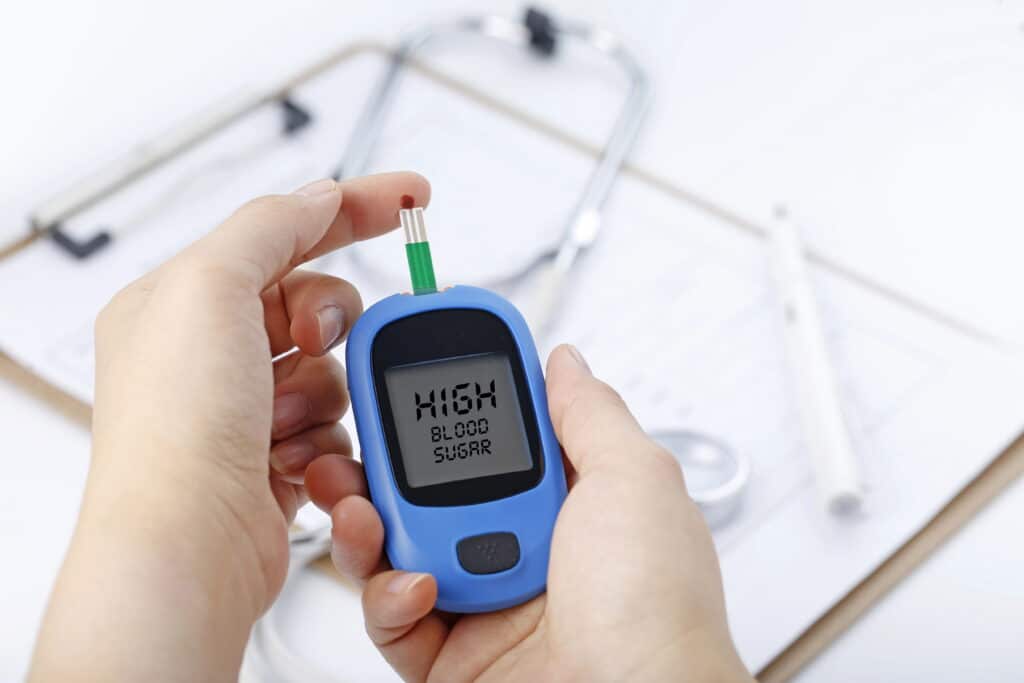
If you notice multiple symptoms diabetes presents, don’t wait. A simple blood test can reveal a lot. Testing blood sugar, glucose levels, and blood pressure provides a clear picture.
According united according health guidelines, adults should screen regularly, especially if they have risk factors.
Time matters. Early diagnosis protects long-term health.
Final Thoughts
Diabetes doesn’t announce itself loudly. It whispers. It shows up in fatigue, thirst, weight changes, and small disruptions that feel easy to ignore. But those early signs are your body asking for attention.
Listening early can protect your heart, preserve your health, and reduce long-term risk. The disease leading to heart disease doesn’t have to define your future.
If something feels off, trust that instinct. Know your numbers. Take action early. Your body will thank you later.