

In short: Endovenous laser treatment closes an affected vein with heat delivered through a catheter, while sclerotherapy uses an injected solution or foam to irritate and close the vein. Both redirect blood through healthier veins. The better option depends on the vein’s size, location and pattern of reflux, along with previous treatment and individual health factors.
Key takeaways
- Both procedures close rather than physically remove a faulty vein.
- Endovenous laser is often used for reflux in a larger superficial trunk vein.
- Foam sclerotherapy can be useful when thermal treatment is unsuitable or for selected residual veins.
- Duplex ultrasound is central to treatment planning.
How the procedures differ
| Feature | Endovenous laser | Foam sclerotherapy |
|---|---|---|
| Method | Laser energy heats and closes the vein through a catheter | An injected sclerosant irritates and closes the vein |
| Guidance | Ultrasound guides catheter placement | Ultrasound may guide injection into the target vein |
| Typical role | Often used for truncal venous reflux | May be used when thermal ablation is unsuitable or for selected veins |
| Anaesthesia | Usually local anaesthetic along the treated vein | Often little or local anaesthetic depending on the plan |
| Key limitation | Requires catheter access and heat precautions | May need follow-up sessions and carries foam-specific risks |
What endovenous laser treatment involves
A clinician introduces a thin catheter into the target vein under ultrasound guidance. Local anaesthetic is placed around the vein, and laser energy is delivered as the catheter is withdrawn. The treated vein closes and is gradually broken down by the body.
Walking is usually encouraged after the procedure, but bruising, tightness and tenderness can occur. Instructions about compression, travel, exercise and wound care vary by treatment plan and should come from the treating team.
What foam sclerotherapy involves
A sclerosant is mixed into foam and injected into the target vein, often under ultrasound guidance. The foam displaces blood and contacts the vein wall, causing the vein to close. Smaller visible veins may be treated with liquid rather than foam.
Temporary tenderness, bruising, pigmentation or a firm cord can occur. Rare but important complications include blood clots, skin injury, allergic reactions and neurological or visual symptoms. The clinician should explain risks relevant to the product, dose and patient.
How suitability is decided
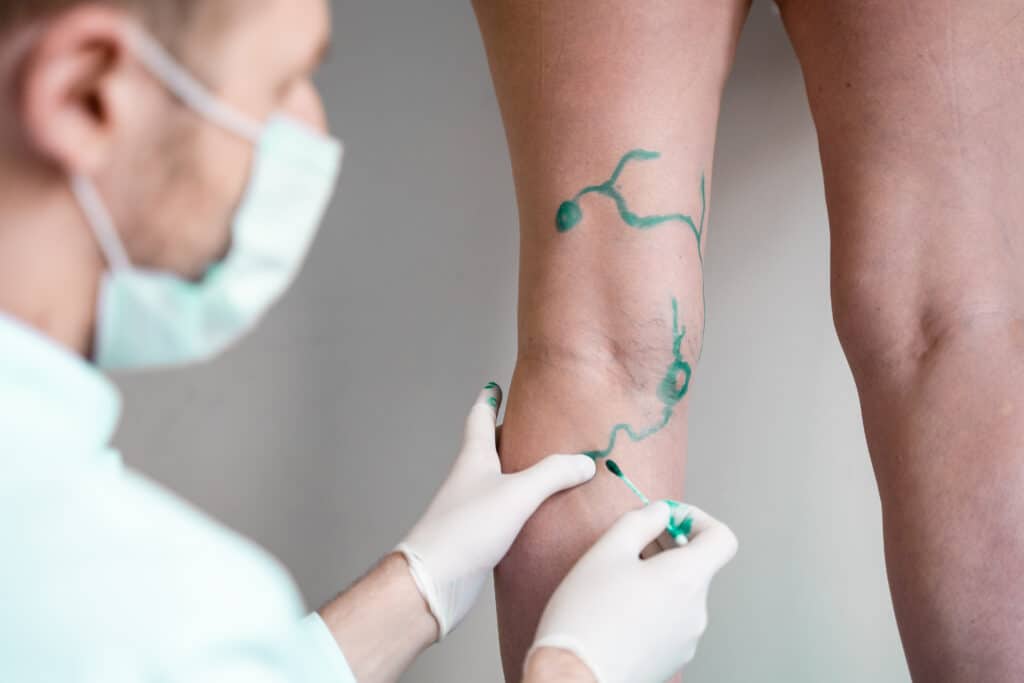
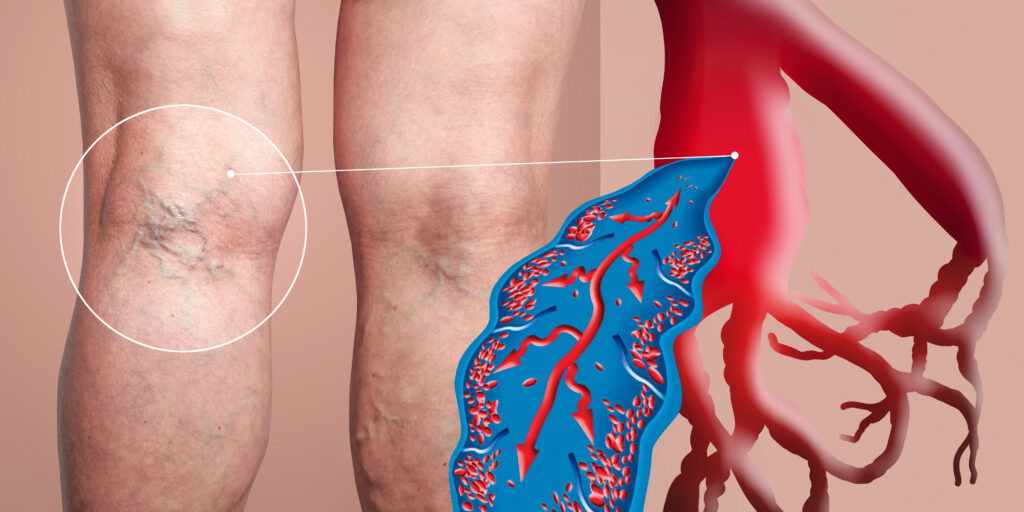
Choice starts with a duplex ultrasound, not with a cosmetic photograph. The scan identifies the source of reflux, the diameter and course of the vein and whether deeper veins are open.
- vein anatomy and depth
- previous thrombosis or vein procedures
- pregnancy or breastfeeding status
- mobility and ability to follow aftercare
- arterial circulation and skin condition
- personal priorities and tolerance for repeat treatment
NICE recommends endothermal ablation first for suitable people with confirmed truncal reflux, followed by ultrasound-guided foam sclerotherapy when endothermal treatment is unsuitable, then surgery when neither is suitable. Local practice and individual circumstances still matter.
Recovery and follow up
Both procedures are commonly performed without an overnight hospital stay. Most people are asked to walk soon afterward. Return to work depends on the procedure, number of veins treated, occupation, symptoms and clinician instructions.
A follow-up visit or ultrasound may be recommended to confirm closure and check for complications. Additional treatment may be needed for tributary veins or residual visible veins. No procedure can guarantee that new varicose veins will never develop.
Questions that improve the decision
- Which vein is causing the reflux on ultrasound?
- Why is this procedure preferred for my anatomy?
- What are the important risks in my case?
- Will I need more than one treatment session?
- What symptoms after treatment require urgent advice?
Care at German Medical Center
German Medical Center’s vascular page names endovenous laser treatment and sclerotherapy among approaches used for varicose veins.
You can also review Vascular Surgery Department and German Medical Center health articles for relevant service and related-care information.
To discuss your symptoms or test results, Contact German Medical Center to request an appointment with the relevant department in Dubai Healthcare City. The clinician will determine whether further testing or treatment is appropriate for you.
Frequently asked questions
Is laser treatment more effective than sclerotherapy?
There is no universal answer. Guidelines often prefer endothermal ablation for suitable truncal reflux, while foam sclerotherapy is valuable when thermal treatment is unsuitable or for selected veins. Ultrasound anatomy determines the comparison.
Are the procedures painful?
Local discomfort, stinging, pressure or pulling sensations can occur. Anaesthesia and comfort measures differ. Ask the clinic what to expect during and after the specific procedure.
Will the treated vein be needed later?
Closing a faulty superficial vein usually redirects blood through functioning veins. The vascular specialist should first confirm that deeper circulation is adequate and discuss any future surgical considerations.
How quickly can I fly after treatment?
Advice varies with the procedure, clot risk and flight duration. Do not book travel based on a generic timetable. Ask the treating clinician before treatment and follow the written aftercare plan.
Do compression stockings prevent recurrence?
Compression can reduce symptoms for some people and may be advised after a procedure, but it does not permanently correct reflux. Stocking strength and duration should be prescribed for the individual.
Medical disclaimer
This article provides general health information and does not replace an individual consultation, diagnosis or treatment plan. Symptoms can have several causes. Seek urgent medical care for severe, sudden or rapidly worsening symptoms.