

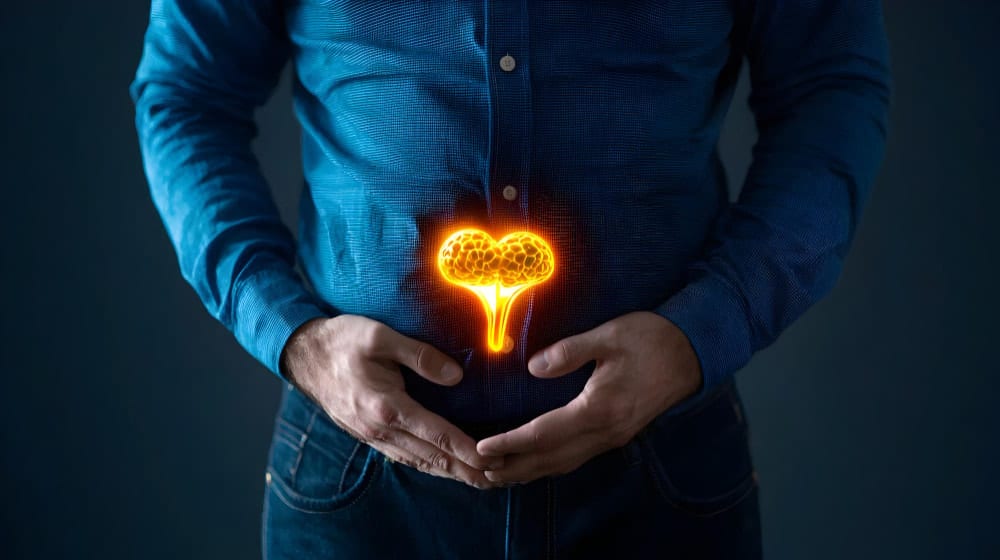
Many men begin noticing subtle changes in their urinary habits as they get older. It may start with waking up once during the night to use the bathroom. Then it becomes twice. Soon, finding the nearest restroom becomes part of every outing, and emptying the bladder no longer feels as easy as it once did.
Because these changes often happen gradually, they’re frequently dismissed as “just getting older.” In reality, they can be early enlarged prostate symptoms, and recognising them early can make a significant difference to both comfort and long-term urinary health.
An enlarged prostate, medically known as benign prostatic hyperplasia (BPH), is one of the most common conditions affecting men over the age of 50. Although it is not cancer, it can have a considerable impact on daily life if left untreated.
At German Medical Center, our experienced urologists provide comprehensive evaluation and personalised prostate enlargement treatment Dubai patients can rely on, helping men regain confidence, comfort, and quality of life.
What Is an Enlarged Prostate?
The prostate is a walnut-sized gland located just below the bladder. It surrounds the urethra, the tube responsible for carrying urine out of the body. The gland plays an important role in producing seminal fluid, which supports male fertility.
As men age, the prostate naturally begins to grow. For many, this enlargement is completely harmless. However, when the gland becomes large enough to press against the urethra, it restricts the normal flow of urine.
This narrowing creates many of the familiar urinary symptoms in men, which can gradually interfere with sleep, work, travel, and overall quality of life.
Benign prostatic hyperplasia is extremely common:
- Around half of men over 50 develop some degree of prostate enlargement.
- The prevalence increases significantly after age 60.
- By age 80, most men will experience some prostate enlargement, although not everyone develops noticeable symptoms.
Why Does the Prostate Enlarge?
While researchers continue studying the exact mechanisms behind BPH, several factors contribute to its development.
Age
Age remains the strongest risk factor. Hormonal changes that occur naturally over time influence prostate cell growth.
Hormonal Changes
As testosterone levels gradually decline and hormone balance changes, the prostate tissue may continue growing, even though other organs shrink with age.
Family History
Men whose father or brother experienced BPH are more likely to develop the condition themselves.
Lifestyle Factors
Certain lifestyle habits may increase the likelihood of developing prostate enlargement, including:
- Obesity
- Physical inactivity
- Diabetes
- High blood pressure
- Poor cardiovascular health
While these factors don’t directly cause BPH, they may contribute to worsening symptoms.
Enlarged Prostate Symptoms You Should Never Ignore
One of the challenges with BPH is that symptoms usually develop slowly. Many men adapt to them without realising how much they affect daily life.
Some of the most common benign prostatic hyperplasia symptoms include:
Frequent Urination
Needing to urinate more often than usual—especially during the day—is often one of the earliest warning signs.
You may find yourself planning meetings, shopping trips, or travel around restroom availability.
Waking Up Frequently at Night
Getting up several times every night to urinate (nocturia) is one of the symptoms patients mention most often.
Interrupted sleep can eventually lead to:
- Daytime fatigue
- Poor concentration
- Mood changes
- Reduced productivity
Many men believe poor sleep is simply part of ageing, when in fact the prostate may be responsible.
Difficulty Starting Urination
Another common complaint is standing at the toilet but waiting several seconds before urine begins to flow.
This hesitation occurs because the enlarged prostate compresses the urethra, making it harder for urine to pass.
Weak Urine Stream
A healthy urinary stream should be strong and continuous.
If the stream has become weaker over time or stops and starts repeatedly, this could indicate increasing obstruction caused by prostate enlargement.
Many patients describe this change as happening so gradually they hardly noticed until comparing it with earlier years.
Feeling That the Bladder Never Fully Empties
Even after urinating, many men continue feeling pressure or fullness.
This sensation occurs because urine remains trapped inside the bladder instead of emptying completely.
Over time, retained urine can increase the risk of urinary tract infections and bladder complications.
Urgency
Suddenly needing to find a bathroom immediately—even when the bladder isn’t particularly full—can become stressful.
Many men begin avoiding:
- Long car journeys
- Sporting events
- Flights
- Social gatherings
Out of concern they may not reach a restroom in time.
Dribbling After Urination
Post-urination dribbling is another symptom that many men find frustrating.
Even after leaving the bathroom, small amounts of urine may continue leaking because the bladder has not emptied effectively.
Although this symptom isn’t dangerous on its own, it can significantly affect confidence and daily comfort.
When Symptoms Become More Serious
Although BPH usually develops gradually, certain symptoms require prompt medical assessment.
Seek medical attention immediately if you experience:
- Complete inability to urinate
- Blood in the urine
- Fever accompanied by urinary symptoms
- Severe lower abdominal pain
- Recurrent urinary tract infections
- Sudden worsening of urinary symptoms
These situations may indicate complications that require urgent treatment.
How an Enlarged Prostate Affects Daily Life
Many people underestimate the impact an enlarged prostate can have.
Initially, the inconvenience seems minor. Over time, however, the condition begins influencing nearly every aspect of daily living.
- Sleep becomes fragmented because of repeated nighttime bathroom visits.
- Business meetings become difficult because frequent breaks are necessary.
- Long drives become stressful.
- Travel requires careful planning.
- Exercise routines may be interrupted.
- Social confidence gradually declines as bathroom access becomes a constant concern.
Some men even begin limiting their fluid intake—not because it’s medically recommended, but because they’re trying to reduce urinary frequency. Unfortunately, dehydration can sometimes make urinary symptoms worse rather than better.
Beyond the physical discomfort, many patients report frustration, embarrassment, and anxiety about the unpredictability of their bladder habits.
Left untreated, an enlarged prostate may eventually affect bladder function and increase the risk of more serious urinary complications.
How Is an Enlarged Prostate Diagnosed?
Many men delay seeing a urologist because they assume their symptoms are simply a normal part of ageing. However, several other conditions—including urinary tract infections, bladder stones, neurological disorders, and even prostate cancer—can produce similar symptoms. This is why obtaining an accurate diagnosis is essential before starting any treatment.
At German Medical Center, diagnosis begins with a detailed consultation and an assessment of your medical history and urinary symptoms. Depending on your condition, your urologist may recommend one or more of the following:
Physical Examination
A digital rectal examination (DRE) allows the specialist to evaluate the size, consistency, and shape of the prostate. Although many men feel anxious about this examination, it is quick, straightforward, and provides valuable clinical information.
Urine Analysis
A urine test helps identify infections, blood in the urine, or other conditions that may be contributing to urinary symptoms.
PSA Blood Test
A prostate-specific antigen (PSA) blood test may be recommended to assess overall prostate health. While an elevated PSA level does not necessarily indicate prostate cancer, it helps your doctor determine whether additional investigations are required.
Ultrasound Examination
Ultrasound imaging allows the urologist to evaluate the size of the prostate, assess bladder health, and determine whether urine remains in the bladder after urination.
Uroflowmetry
This simple, non-invasive test measures the speed and strength of your urine flow. Reduced flow can indicate obstruction caused by an enlarged prostate.
By combining these findings, your specialist can determine the severity of your condition and recommend the most appropriate enlarged prostate treatment for your individual needs.
Enlarged Prostate Treatment Options
Treatment depends on several factors, including:
- The severity of symptoms
- The size of the prostate
- Your age and overall health
- How much your symptoms affect your daily routine
- Whether complications have already developed
Fortunately, not every patient requires surgery. Many men experience significant improvement through personalised medical management.
Lifestyle Modifications
For men with mild symptoms, simple lifestyle adjustments can make a noticeable difference.
Your doctor may recommend:
- Reducing fluid intake before bedtime
- Limiting caffeine and alcohol, which can irritate the bladder
- Maintaining a healthy weight
- Staying physically active
- Avoiding delaying urination when you feel the urge
- Managing diabetes and high blood pressure effectively
These measures may help reduce urinary symptoms in men while slowing symptom progression.
Medication
When lifestyle measures are not enough, medication is often the first line of treatment.
Common medications work by:
- Relaxing the muscles around the prostate and bladder neck to improve urine flow
- Reducing the size of the prostate over time
- Improving bladder emptying
- Decreasing urinary urgency and frequency
Many patients notice improvement within several weeks, although some medications may require several months to achieve their full effect.
Regular follow-up appointments help ensure treatment remains effective and any side effects are monitored.
Minimally Invasive Treatments
Advances in urology have transformed the management of benign prostate enlargement.
Today, many patients can benefit from minimally invasive procedures that:
- Require shorter recovery times
- Minimise discomfort
- Preserve normal urinary function
- Reduce hospital stays
Depending on your condition, your urologist will discuss the most suitable treatment approach based on international clinical guidelines.
Surgical Treatment
Surgery may be recommended when:
- Medications are no longer effective
- Symptoms are severe
- Urinary retention develops
- Bladder stones occur
- Kidney function becomes affected
- Recurrent urinary tract infections continue
Modern surgical techniques are considerably safer and more precise than they were in the past. The goal is to remove or reduce the obstructing prostate tissue while preserving urinary function and improving quality of life.
Your specialist will explain the benefits, expected recovery, and potential risks before recommending surgery.
Can an Enlarged Prostate Be Prevented?
Although prostate enlargement cannot always be prevented, healthy lifestyle habits may help support long-term urinary health.
Recommendations include:
- Maintaining a healthy body weight
- Exercising regularly
- Eating a balanced diet rich in vegetables, fruits, and whole grains
- Managing chronic medical conditions
- Staying well hydrated throughout the day
- Attending regular health check-ups, particularly after the age of 50
Perhaps most importantly, do not ignore early symptoms. Seeking medical advice before symptoms become severe often leads to simpler and more effective treatment.
When Should You See a Urologist?
Many men wait until their symptoms become impossible to ignore. However, early assessment often prevents unnecessary complications and provides more treatment options.
You should consider scheduling a consultation if you experience:
- Frequent urination during the day or night
- Difficulty starting urination
- A weak or interrupted urine stream
- A sensation that your bladder never fully empties
- Sudden urinary urgency
- Dribbling after urination
- Recurrent urinary tract infections
- Blood in the urine
- Any sudden change in your urinary habits
Prompt evaluation allows your doctor to identify the underlying cause and begin appropriate management before symptoms progress further.
Why Choose German Medical Center for Prostate Care?
At German Medical Center, we understand that urinary symptoms can significantly affect both physical comfort and emotional well-being. Our experienced urology team provides comprehensive, patient-centred care using modern diagnostic techniques and evidence-based treatment plans.
Patients benefit from:
- Experienced consultant urologists
- Comprehensive prostate evaluations
- Advanced diagnostic technology
- Personalised treatment plans
- Conservative and minimally invasive treatment options where appropriate
- Long-term follow-up and ongoing support
Whether your symptoms are mild or more advanced, our goal is to help restore urinary function, improve quality of life, and support your long-term prostate health.
Conclusion
Many men accept changes in urination as an unavoidable part of getting older. While prostate enlargement is common, living with persistent urinary symptoms should never be considered normal.
Recognising enlarged prostate symptoms early allows treatment to begin before complications develop. Whether your symptoms involve frequent urination, difficulty emptying your bladder, or interrupted sleep, an accurate diagnosis can provide reassurance and guide the most appropriate course of care.
With modern diagnostic techniques and a wide range of effective treatment options available, most men experience significant improvement and are able to return to their normal daily activities with greater comfort and confidence.
If you’ve noticed changes in your urinary habits, consulting a qualified urologist is the first step toward protecting your long-term urinary and prostate health.
Frequently Asked Questions
Is an enlarged prostate the same as prostate cancer?
No. Benign prostatic hyperplasia (BPH) is a non-cancerous enlargement of the prostate gland. Although the two conditions can produce similar symptoms, they are different diseases. A proper medical assessment is necessary to determine the cause of your symptoms.
At what age do enlarged prostate symptoms usually begin?
Symptoms commonly begin after the age of 50, although some men may notice changes in their late 40s. The likelihood of developing prostate enlargement increases with age.
Can an enlarged prostate go away on its own?
Typically, no. While symptoms may fluctuate, the prostate usually does not shrink without treatment. Early management can help prevent symptoms from becoming more severe.
Does drinking less water improve symptoms?
Not necessarily. Reducing fluids excessively can lead to dehydration and may actually irritate the bladder. Your urologist can advise you on healthy fluid intake based on your condition.
Is surgery always required?
No. Many men respond well to lifestyle changes or medication. Surgery is generally considered when symptoms are severe, complications develop, or conservative treatments are no longer effective.
Can lifestyle changes help?
Yes. Maintaining a healthy weight, exercising regularly, limiting caffeine and alcohol, and managing chronic health conditions may help improve urinary symptoms and support overall prostate health.