

How High Blood Pressure Affects More Than Just Your Heart
High blood pressure, also known as hypertension, is often called the “silent killer” — not only because it shows no early symptoms but also because its effects go far beyond your heart. While most people associate high blood pressure with heart disease, the truth is that it can damage almost every major organ in your body if left uncontrolled.
Understanding how high blood pressure affects your body is the first step to protecting your overall health — from your brain and kidneys to your eyes and arteries.
What Is High Blood Pressure?
High blood pressure occurs when the force of your blood pushing against the artery walls is consistently too high. Over time, this increased pressure weakens and damages blood vessels, making them more prone to blockage, rupture, or leakage.
A normal blood pressure reading is around 120/80 mmHg. Readings consistently above 130/80 mmHg may indicate hypertension, which requires lifestyle changes or medical treatment to prevent serious health complications.
1. Impact on the Heart
The most well-known consequence of high blood pressure is its effect on your heart. It forces your heart to work harder than normal to pump blood, leading to the thickening of the heart muscle (left ventricular hypertrophy). Over time, this increases the risk of:
- Coronary artery disease – due to plaque buildup in narrowed arteries.
- Heart failure – as the heart weakens from overwork.
- Heart attack – from reduced blood flow or blocked arteries.
Regular blood pressure management plays a key role in maintaining heart health and preventing these conditions.
2. Impact on the Brain
Uncontrolled hypertension can significantly affect brain function. Damaged blood vessels reduce blood flow to the brain, increasing the risk of:
- Stroke – one of the leading causes of disability and death related to high blood pressure.
- Dementia and cognitive decline – long-term hypertension may reduce memory and focus by limiting oxygen supply to brain tissue.
- Transient ischemic attacks (mini-strokes) – temporary blockages that can signal the risk of a major stroke later.
By managing hypertension symptoms early, you can protect both your heart and your brain.
3. Impact on the Kidneys
Your kidneys filter waste and fluids from your blood. However, when high blood pressure damages the small blood vessels inside the kidneys, they lose their ability to function effectively. This can lead to chronic kidney disease or even kidney failure, requiring dialysis or a transplant in severe cases.
For patients in Dubai, high blood pressure treatment at specialized medical centers like German Medical Center includes kidney function monitoring as part of a comprehensive care plan.
4. Impact on the Eyes
Few people realize that hypertension can also damage the delicate blood vessels in the eyes, leading to a condition known as hypertensive retinopathy. Symptoms can include:
- Blurred or double vision
- Eye pain or redness
- Sudden vision loss in severe cases
Managing high blood pressure can help preserve vision and prevent long-term eye damage.
5. Impact on the Arteries
Constant high pressure damages the inner lining of the arteries, making them stiff and narrow. This process, called atherosclerosis, increases the risk of:
- Peripheral artery disease (PAD)
- Aneurysms – bulges in blood vessel walls that may rupture
- Circulatory issues – leading to leg pain, numbness, or fatigue
Healthy lifestyle habits, combined with professional hypertension management, are essential to keep your arteries flexible and your circulation strong.
Prevention and Treatment of High Blood Pressure
Managing high blood pressure starts with early diagnosis and consistent care. At German Medical Center in Dubai, specialists provide comprehensive evaluation and customized hypertension treatment plans, which may include:
- Lifestyle modifications: Healthy diet, regular exercise, reduced salt intake, and stress control.
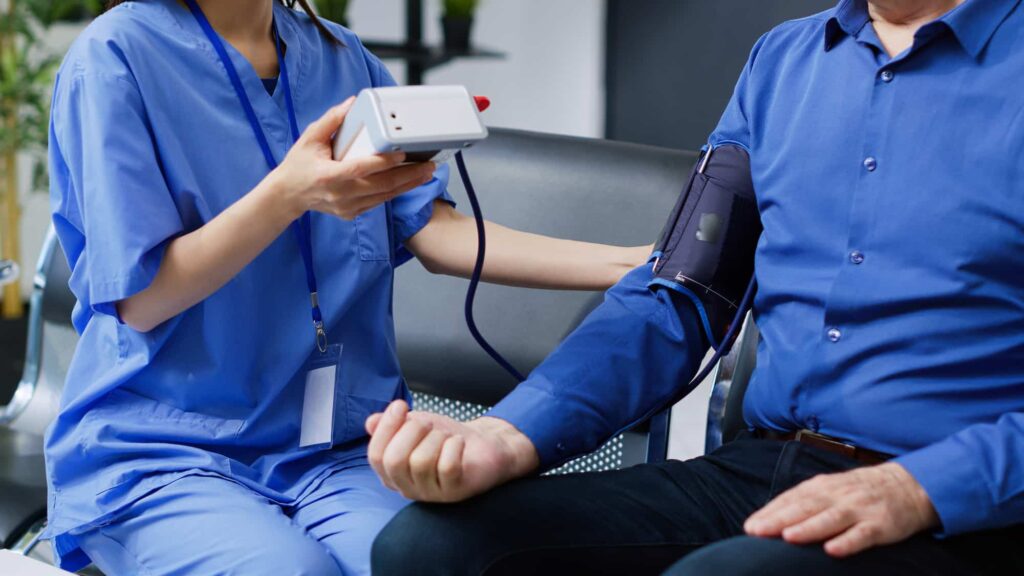
- Regular monitoring: Checking blood pressure at home or in-clinic.
- Medication: When lifestyle changes alone aren’t enough, prescribed medications help keep blood pressure within a healthy range.
- Specialized testing: Kidney function tests, ECGs, and advanced imaging to detect complications early.
When to See a Doctor
You should consult a doctor if you experience any of the following hypertension symptoms:
- Frequent headaches or dizziness
- Shortness of breath
- Chest pain or palpitations
- Blurred vision or fatigue
- Swelling in the legs or feet
Even if you feel healthy, scheduling regular checkups can help detect high blood pressure before it leads to serious complications.
Final Thoughts
High blood pressure is more than a heart issue — it’s a condition that affects your entire body. By taking proactive steps through healthy living and timely medical care, you can reduce the risks of complications like kidney disease, stroke, and vision loss.
If you’re looking for high blood pressure treatment in Dubai, the German Medical Center offers expert care, advanced diagnostic tools, and personalized treatment plans to help you manage your blood pressure effectively and improve your overall well-being.