


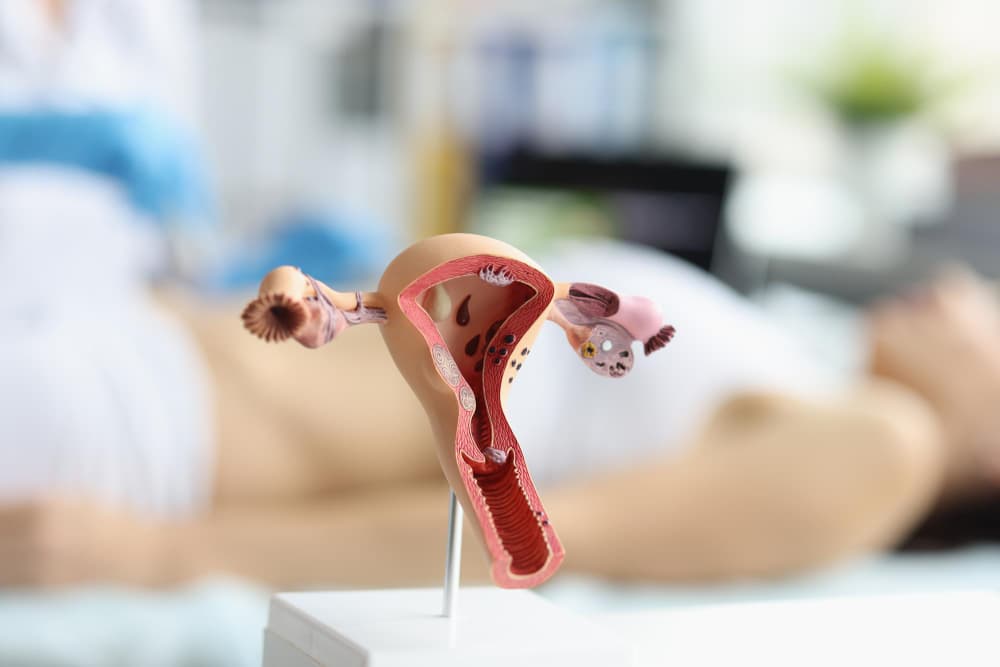
In short: Hysteroscopy passes a thin camera through the vagina and cervix to examine or treat the inside of the uterus. Laparoscopy places a camera through a small abdominal incision to view the outside of the uterus, ovaries, fallopian tubes and other pelvic structures. They answer different questions and may sometimes be performed during the same surgical session.
Key takeaways
- Hysteroscopy examines the uterine cavity without an abdominal incision.
- Laparoscopy examines the abdominal and pelvic organs through small incisions.
- The procedure depends on where the suspected problem is located.
- Anaesthesia, recovery and risks differ according to whether the procedure is diagnostic or operative.
The main difference is the area examined
| Feature | Hysteroscopy | Laparoscopy |
|---|---|---|
| Access route | Through vagina and cervix | Through a small abdominal incision |
| Main view | Inside the uterine cavity | Pelvic and abdominal organ surfaces |
| Common uses | Polyps, cavity fibroids, abnormal bleeding, adhesions and biopsy | Endometriosis, ovarian cysts, pelvic pain, ectopic pregnancy and selected fibroids |
| Anaesthesia | Office pain relief, local anaesthetic, sedation or general anaesthetic depending on procedure | Usually general anaesthetic |
| Incisions | No abdominal incision | One or more small abdominal incisions |
When hysteroscopy may be used
Hysteroscopy can investigate heavy or irregular bleeding, a suspected endometrial polyp, a fibroid projecting into the uterine cavity, uterine adhesions, a missing intrauterine device or recurrent pregnancy loss. Tissue can be sampled and some abnormalities can be treated through the hysteroscope.
Diagnostic hysteroscopy may be performed in an outpatient setting. Operative hysteroscopy may require more pain relief, cervical preparation, sedation or general anaesthesia. Discuss comfort options before consenting.
When laparoscopy may be used
Laparoscopy may investigate chronic pelvic pain, infertility or a pelvic mass and can diagnose or treat endometriosis, ovarian cysts, ectopic pregnancy and selected fibroids. It is also used for some hysterectomies and pelvic-floor operations.
The abdomen is inflated with gas so the surgeon can see the organs. Instruments may be introduced through additional small incisions. Rarely, findings or a complication require conversion to open surgery; this possibility should be included in consent.
Can both procedures be done together
Yes. When symptoms or fertility questions involve both the uterine cavity and the wider pelvis, the gynaecologist may recommend hysteroscopy and laparoscopy during the same anaesthetic. Combining them may avoid separate operations, but it also changes procedure time, recovery and risk.
The patient should understand what the surgeon is authorised to treat if an unexpected finding appears. Consent should distinguish examination, biopsy and treatment.
Recovery and warning signs
Mild cramping and light bleeding can follow hysteroscopy. Laparoscopy may cause incision soreness, bloating and temporary shoulder-tip pain from residual gas. Recovery depends far more on what was treated than on the camera itself.
Contact the care team for fever, worsening pain, heavy bleeding, fainting, inability to pass urine, wound redness or discharge. Severe breathlessness, chest pain or collapse requires emergency care.
Questions to ask before the procedure
- What diagnosis are we trying to confirm or treat?
- Why is hysteroscopy, laparoscopy or both recommended?
- Will the procedure be diagnostic only or can treatment occur?
- What anaesthesia and pain-relief options are available?
- What findings could change the operation or require open surgery?
- When should pathology results and follow-up be expected?
Care at German Medical Center
German Medical Center’s Obstetrics and Gynecology service lists hysteroscopy, laparoscopy and minimally invasive treatment for endometriosis, fibroids and ovarian cysts.
You can also review Obstetrics and Gynecology Clinic, Uterine fibroids service and Laparoscopic hysterectomy service for relevant service and related-care information.
To discuss your symptoms or test results, Contact German Medical Center to request an appointment with the relevant department in Dubai Healthcare City. The clinician will determine whether further testing or treatment is appropriate for you.
Frequently asked questions
Is hysteroscopy painful?
Experience varies. Diagnostic office hysteroscopy may cause cramping, while operative procedures may use local anaesthetic, sedation or general anaesthesia. Discuss pain relief and the option to pause before the procedure.
Does laparoscopy always require a hospital stay?
Many procedures are completed as day surgery, but complex surgery or individual health needs may require an overnight stay. The planned operation matters more than the word laparoscopy.
Can hysteroscopy diagnose endometriosis?
Hysteroscopy examines the inside of the uterus. Most endometriosis lies outside the uterine cavity, so laparoscopy may be used when direct pelvic inspection or treatment is appropriate.
Can fibroids be removed with either procedure?
Yes, depending on location. Fibroids protruding into the uterine cavity may be removed hysteroscopically. Fibroids in the uterine wall or outer surface may require laparoscopy, open surgery or another treatment.
How soon can I return to work?
It depends on anaesthesia and what was done. Recovery after a brief diagnostic hysteroscopy may be short, while operative laparoscopy can require more time. Follow the surgeon’s written restrictions.
Medical disclaimer
This article provides general health information and does not replace an individual consultation, diagnosis or treatment plan. Symptoms can have several causes. Seek urgent medical care for severe, sudden or rapidly worsening symptoms.