

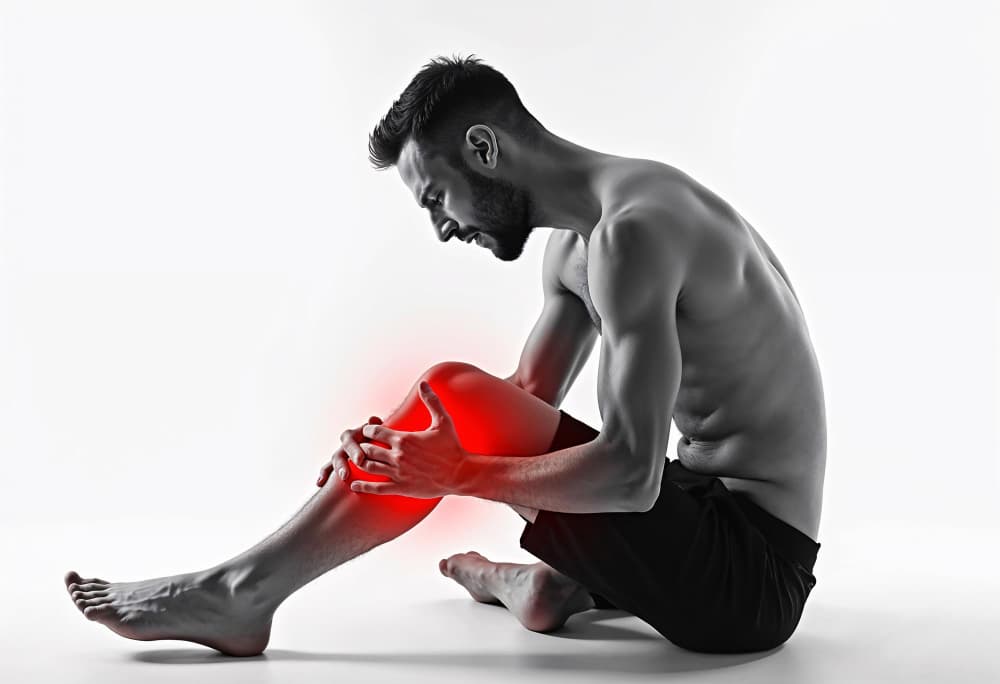
In short: Peripheral artery disease can cause an aching, cramping or tired feeling in the calf, thigh or buttock that appears during walking and eases after a few minutes of rest. This pattern is called intermittent claudication. Recurrent exertional leg pain deserves assessment because PAD reflects narrowed arteries and is associated with wider cardiovascular risk.
Key takeaways
- Pain that predictably starts with walking and improves with rest is a classic PAD pattern.
- Back, joint, nerve and vein problems can cause similar symptoms.
- An ankle brachial pressure index compares blood pressure at the ankle and arm.
- Rest pain, a cold foot or a non-healing wound needs prompt assessment.
How PAD causes walking pain
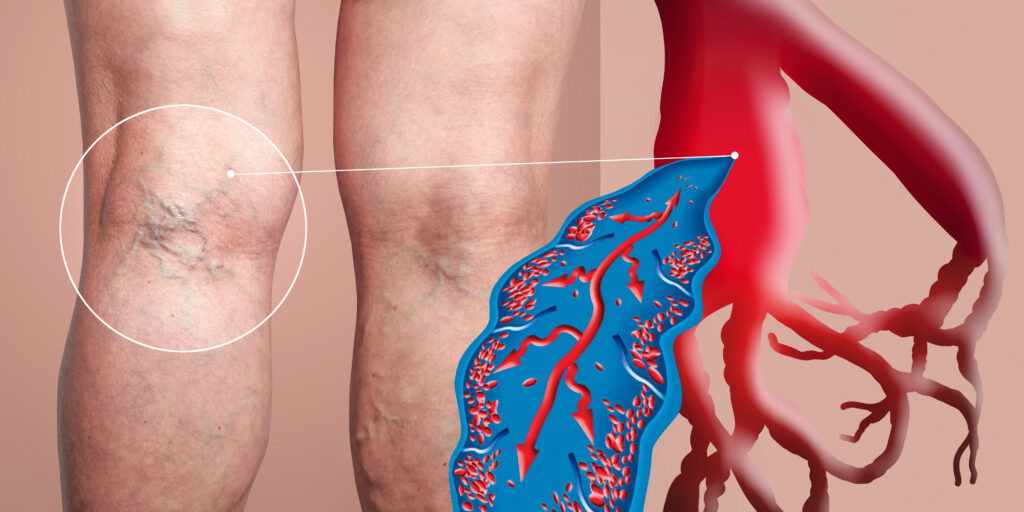
Peripheral artery disease occurs when narrowed arteries reduce blood flow to the limbs, most often because of atherosclerosis. Leg muscles may receive enough oxygen at rest but not during exertion. This mismatch can produce intermittent claudication.
The discomfort often appears after a similar walking distance and settles when activity stops. It may recur when walking resumes. Some people have no symptoms, so the absence of claudication does not rule out PAD.
Symptoms that support a vascular cause
- calf, thigh or buttock discomfort during walking
- symptoms that improve within minutes of rest
- a cooler foot or change in skin colour
- slow-growing toenails or loss of hair on the lower leg
- a foot or toe wound that heals poorly
- weak pulses in the foot
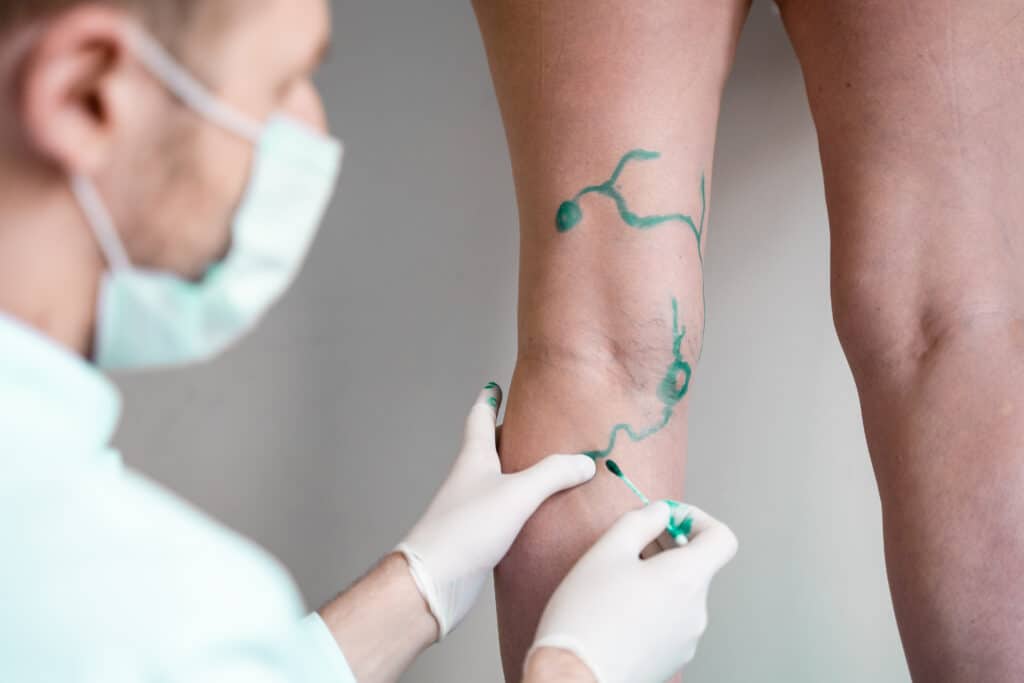
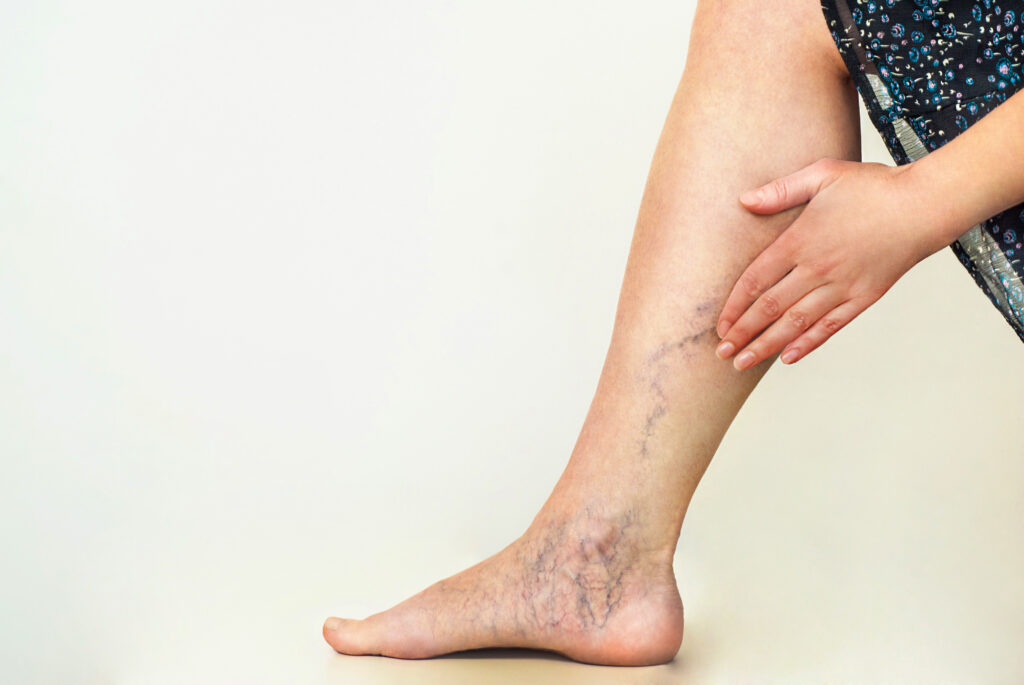
These findings are clues, not a diagnosis. A trapped nerve may cause pain with numbness or symptoms related to spine position. Arthritis may cause joint-focused pain that does not resolve quickly with rest. Venous disease more often causes heaviness and swelling after standing.
Who is more likely to develop PAD
Risk rises with smoking, diabetes, high blood pressure, abnormal cholesterol, increasing age, kidney disease and established cardiovascular disease. A clinician should assess the whole cardiovascular risk profile rather than treating the leg as an isolated problem.
Stopping smoking is one of the most important risk-reduction steps. Blood pressure, diabetes and cholesterol management may also be part of care, but medicines should be selected by a clinician who knows the patient’s history.
How PAD is investigated
The clinician asks where the pain occurs, how far you can walk, what makes it stop and whether there are wounds or symptoms at rest. Examination includes the skin, temperature and pulses in each leg.
The ankle brachial pressure index compares blood pressure at the ankle with blood pressure in the arm. It is often an initial test. Duplex ultrasound and other imaging may be used when the diagnosis is uncertain or when an intervention is being considered.
Treatment has two goals
The first goal is to lower the risk of heart attack, stroke and worsening arterial disease. The second is to improve walking and protect the limb. Management may include smoking cessation, structured walking exercise, treatment of cardiovascular risk factors and medicines prescribed for an appropriate indication.
Angioplasty, stenting or bypass surgery may be considered for severe symptoms, limb-threatening circulation problems or limitations that persist despite appropriate non-surgical care. The choice depends on anatomy, health status and personal goals.
When to seek urgent care
Seek prompt medical assessment for pain in the foot or leg at rest, a new ulcer, blackened skin, a suddenly cold or numb foot, or a rapid decline in walking ability. Sudden loss of blood flow to a limb is an emergency.
Care at German Medical Center
German Medical Center’s Vascular Surgery Department lists peripheral artery disease among the conditions it assesses and treats. The department also describes advanced imaging and both minimally invasive and surgical approaches.
You can also review Vascular Surgery Department and Internal Medicine Department for relevant service and related-care information.
To discuss your symptoms or test results, Contact German Medical Center to request an appointment with the relevant department in Dubai Healthcare City. The clinician will determine whether further testing or treatment is appropriate for you.
Frequently asked questions
Is calf pain always PAD?
No. Muscle strain, spinal stenosis, nerve compression, arthritis and venous disease can produce leg discomfort. The timing, location, examination and circulation tests help distinguish them.
Can PAD affect only one leg?
Yes. Symptoms may occur in one or both legs depending on where arteries are narrowed. Different symptom severity between legs is possible.
Does walking help PAD?
A structured walking programme can improve walking ability for many people with stable claudication. The plan should be individualized, especially when there is rest pain, a wound, severe heart disease or another condition that limits exercise.
What does an ankle brachial test feel like?
Blood-pressure cuffs are placed on the arms and ankles. The test is non-invasive. Results must be interpreted with the clinical picture because some conditions, including diabetes, can make arteries difficult to compress.
Can PAD be cured?
Atherosclerosis is a long-term condition. Symptoms and risk can often be improved through risk-factor management, exercise, medication and, when needed, a procedure. Ongoing follow-up remains important.
Medical disclaimer
This article provides general health information and does not replace an individual consultation, diagnosis or treatment plan. Symptoms can have several causes. Seek urgent medical care for severe, sudden or rapidly worsening symptoms.