

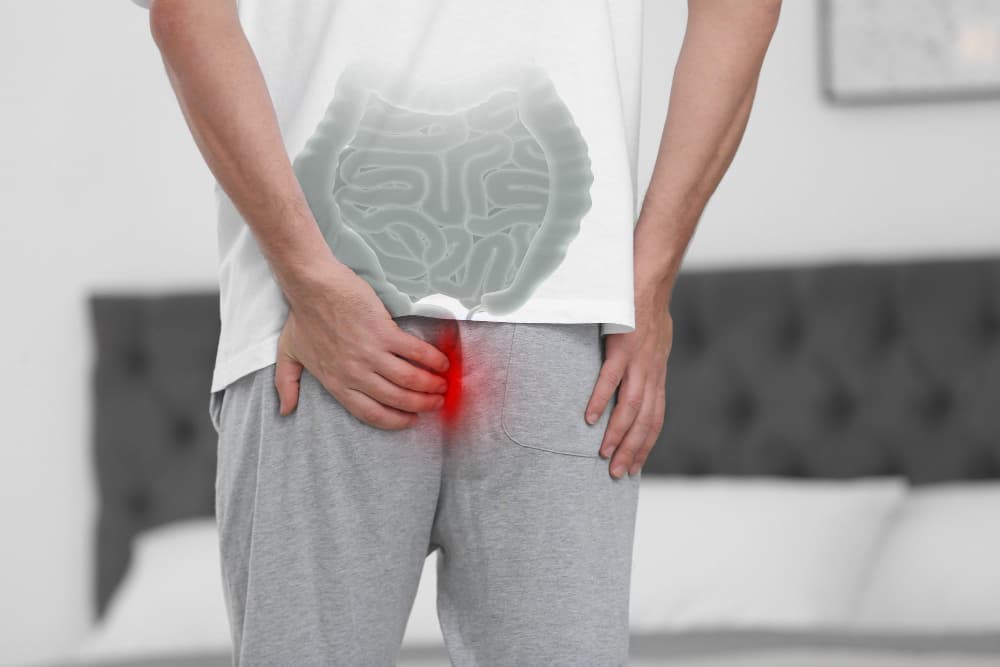
Most people experience occasional digestive discomfort at some point in their lives. However, when pain during bowel movements becomes frequent, severe, or persistent, it should never be ignored.
While some cases are linked to temporary issues such as constipation, others may signal underlying conditions that require medical attention. Many individuals delay seeking help due to embarrassment or the assumption that the discomfort will resolve on its own. Unfortunately, postponing treatment can allow certain conditions to worsen and negatively affect quality of life.
Understanding the potential causes of painful bowel movements can help you recognize when it’s time to consult a healthcare professional and take the necessary steps toward recovery.
What Is Considered Pain During Bowel Movements?
Pain during bowel movements refers to discomfort, burning, sharp pain, cramping, or pressure experienced before, during, or after passing stool.
The sensation can vary significantly from person to person. Some individuals describe a sharp, cutting pain, while others experience a dull ache or persistent soreness that lasts for hours after using the restroom.
The location of the pain can also provide clues about the underlying cause. Discomfort may originate around the anus, rectum, lower abdomen, or pelvic region.
Although occasional discomfort may not be concerning, recurring symptoms warrant further evaluation.
Common Causes of Pain During Bowel Movements
Several conditions can lead to painful bowel movements. Some are relatively minor and easily treatable, while others require specialized medical care.
Anal Fissures
One of the most common causes of pain during bowel movements is an anal fissure.
An anal fissure is a small tear in the lining of the anus, often caused by passing hard or large stools. The pain is typically sharp and intense during bowel movements and may continue for several minutes or even hours afterward.
Common anal fissure symptoms include:
- Sharp pain during bowel movements
- Bright red blood on toilet paper
- Burning sensation after passing stool
- Visible tear near the anal opening
- Fear of using the bathroom due to pain
Without treatment, chronic fissures may persist and become increasingly difficult to heal.
Hemorrhoids
Hemorrhoids are swollen veins in the lower rectum or anus and are another frequent cause of painful bowel movements.
Internal hemorrhoids often cause bleeding, while external hemorrhoids may become painful, especially if a blood clot develops inside them.
Symptoms may include:
- Pain or discomfort during bowel movements
- Itching around the anus
- Swelling near the anal opening
- Rectal bleeding
- A lump near the anus
Fortunately, many cases respond well to lifestyle changes and medical treatments. Patients seeking hemorrhoids treatment Dubai often benefit from minimally invasive procedures that provide significant relief.
Chronic Constipation
Constipation can place excessive pressure on the rectal tissues, leading to pain during bowel movements.
Hard, dry stools may stretch the anal canal and increase the risk of fissures and hemorrhoids. Chronic constipation often creates a cycle where pain causes individuals to avoid bowel movements, further worsening the problem.
Common signs include:
- Infrequent bowel movements
- Hard stools
- Straining during bowel movements
- Feeling of incomplete evacuation
- Abdominal bloating
Improving hydration, dietary fiber intake, and physical activity can often help reduce symptoms.
Perianal Abscess
A perianal abscess is an infection that causes a collection of pus near the anus.
This condition often results in severe pain, swelling, redness, and tenderness. The pain may become worse during sitting, walking, or bowel movements.
Additional symptoms may include:
- Fever
- Fatigue
- Drainage of pus
- Swelling around the anus
Perianal abscesses typically require prompt medical treatment and should not be left untreated.
Inflammatory Bowel Disease (IBD)
Conditions such as Crohn’s Disease and Ulcerative Colitis can cause inflammation throughout the digestive tract.
Individuals with inflammatory bowel disease may experience:
- Rectal pain
- Abdominal cramps
- Diarrhea
- Blood in stool
- Weight loss
- Fatigue
Because these conditions are chronic, early diagnosis and long-term management are important for preventing complications.
Proctitis
Proctitis refers to inflammation of the rectal lining.
The condition can result from infections, inflammatory bowel disease, radiation therapy, or other medical issues.
Symptoms may include:
- Rectal pain causes that are difficult to identify without evaluation
- Urgency to have a bowel movement
- Rectal bleeding
- Mucus discharge
- Painful bowel movements
Treatment depends on the underlying cause and may involve medication or specialized care.
Rectal or Colorectal Conditions
Although less common, persistent pain during bowel movements can sometimes be associated with more serious conditions involving the rectum or colon.
Warning signs that require immediate medical attention include:
- Significant rectal bleeding
- Unexplained weight loss
- Persistent change in bowel habits
- Family history of colorectal disease
- Ongoing rectal pain
- Fatigue and anemia
Early diagnosis significantly improves treatment outcomes.
When Should You See a Doctor?
Many people delay seeking medical help because symptoms seem manageable at first. However, certain signs should never be ignored.
You should schedule an evaluation if you experience:
- Pain lasting longer than a few days
- Recurring painful bowel movements
- Blood in stool
- Persistent constipation
- Swelling or lumps near the anus
- Fever accompanying rectal pain
- Significant changes in bowel habits
- Unexplained weight loss
A proper diagnosis can identify the root cause and prevent complications.
How Are Painful Bowel Movements Diagnosed?
Diagnosis typically begins with a detailed discussion of symptoms and medical history.
Depending on the situation, your doctor may recommend:
Physical Examination
A physical examination helps identify visible issues such as fissures, hemorrhoids, or infections.
Digital Rectal Examination
This simple procedure allows the physician to assess the rectal area for abnormalities.
Anoscopy or Proctoscopy
These specialized examinations provide a closer view of the anal canal and rectum to identify inflammation, fissures, hemorrhoids, or other concerns.
Colonoscopy
In cases involving bleeding, chronic symptoms, or suspicion of inflammatory bowel disease, a colonoscopy may be recommended to evaluate the colon and rectum more thoroughly.
Treatment Options for Pain During Bowel Movements
Treatment depends entirely on the underlying cause.
Lifestyle and Dietary Changes
Many mild cases improve with:
- Increased water intake
- Higher fiber consumption
- Regular exercise
- Avoiding excessive straining
- Establishing consistent bathroom habits
Medications
Your doctor may recommend:
- Stool softeners
- Topical creams
- Anti-inflammatory medications
- Antibiotics for infections
- Prescription treatments for inflammatory bowel disease
Minimally Invasive Procedures
Certain hemorrhoids and chronic fissures can be treated using office-based procedures that require little downtime.
Surgical Treatment
Some conditions, including severe abscesses, fistulas, chronic fissures, or advanced hemorrhoids, may require surgical intervention.
Fortunately, modern techniques often result in faster recovery and improved patient comfort.
Can Pain During Bowel Movements Be Prevented?
Although prevention is not always possible, several habits can significantly reduce the risk.
These include:
- Drinking adequate water daily
- Eating a fiber-rich diet
- Staying physically active
- Responding promptly to the urge to have a bowel movement
- Avoiding prolonged straining
- Managing digestive disorders under medical supervision
Small lifestyle changes can have a substantial impact on long-term digestive and colorectal health.
The Bottom Line
Pain during bowel movements is not a symptom that should be dismissed or tolerated indefinitely. While common issues such as constipation, hemorrhoids, or anal fissure symptoms are often responsible, persistent discomfort may also indicate more complex digestive or colorectal conditions.
Early evaluation allows for accurate diagnosis, effective treatment, and prevention of complications. If you are experiencing painful bowel movements, rectal discomfort, bleeding, or ongoing digestive concerns, seeking professional medical advice is an important step toward protecting your health and improving your quality of life.
At German Medical Center Dubai, our experienced specialists provide comprehensive assessment and treatment for a wide range of colorectal and digestive conditions, helping patients find lasting relief through personalized care and advanced medical solutions.