


Pelvic Pain in Women: When It Could Be More Than Just Cramps
Pelvic discomfort is something many women experience at different stages of life. For some, it comes and goes with the menstrual cycle. For others, it lingers longer than expected or appears without a clear reason. While it’s easy to dismiss this as “just cramps,” persistent or severe pelvic pain can be a sign of something more complex.
In a fast-paced city like Dubai, where lifestyle, stress, and environmental factors all play a role in health, it becomes even more important to recognize when pelvic pain is not normal. Understanding the underlying causes of pelvic pain in women Dubai patients commonly report can help guide timely and effective treatment.
What Is Pelvic Pain?
Pelvic pain refers to discomfort felt in the lower abdomen or pelvis. It may be sharp, dull, constant, or intermittent. Some women describe it as a pressure-like sensation, while others experience stabbing or cramping pain.
The challenge is that pelvic pain is not a condition on its own—it’s a symptom. And the causes of pelvic pain in women can vary widely, ranging from minor issues to more serious medical conditions.
When Is Pelvic Pain Considered Normal?
Not all pelvic pain is a cause for concern. Mild discomfort during ovulation or menstruation is quite common. However, the line between normal and abnormal is often crossed when:
- The pain becomes severe or disabling
- It lasts longer than a few days
- It occurs outside of the menstrual cycle
- It interferes with daily activities
- It worsens over time
If any of these apply, it may indicate a need for evaluation by a gynecologist for pelvic pain Dubai residents can rely on.
Common Causes of Pelvic Pain in Women
Understanding the root of the problem is key to effective treatment. Below are some of the most frequent causes seen in clinical practice.
1. Endometriosis
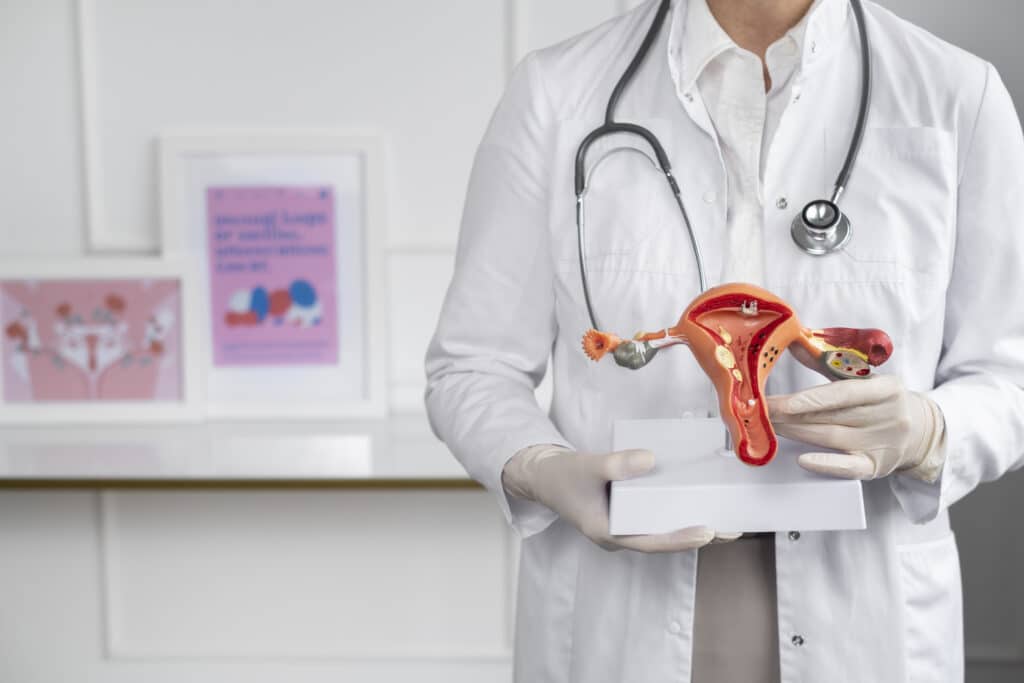
Endometriosis occurs when tissue similar to the uterine lining grows outside the uterus. This can lead to inflammation, scarring, and significant pain.
Women with endometriosis often experience:
- Severe menstrual cramps
- Pain during intercourse
- Chronic pelvic discomfort
It is one of the leading causes of chronic pelvic pain treatment Dubai specialists manage.
2. Ovarian Cysts
Ovarian cysts are fluid-filled sacs that develop on the ovaries. While many are harmless and resolve on their own, some can cause pain—especially if they rupture or grow large.
Symptoms may include:
- Sudden sharp pelvic pain
- Bloating
- Irregular periods
3. Pelvic Inflammatory Disease (PID)
PID is an infection of the reproductive organs, often caused by untreated sexually transmitted infections. It requires prompt medical attention.
Common signs include:
- Persistent pelvic pain
- Fever
- Unusual discharge
Left untreated, PID can lead to long-term complications, including infertility.
4. Fibroids
Uterine fibroids are non-cancerous growths that can vary in size. While some women have no symptoms, others may experience:
- Heavy menstrual bleeding
- Pressure in the lower abdomen
- Pain that radiates to the lower back
5. Urinary or Digestive Issues
Sometimes, the source of pelvic pain is not gynecological. Conditions such as urinary tract infections, kidney stones, or even irritable bowel syndrome can mimic lower abdominal pain women causes often confuse.
6. Musculoskeletal Factors
Pelvic pain can also arise from muscles, ligaments, or joints in the pelvic region. Poor posture, prolonged sitting, or physical strain can contribute to discomfort.
Chronic Pelvic Pain: When It Becomes a Long-Term Issue
When pelvic pain persists for more than six months, it is classified as chronic. This type of pain can significantly affect quality of life, impacting work, relationships, and emotional well-being.
Seeking chronic pelvic pain treatment Dubai clinics offer is crucial in these cases. A comprehensive approach often involves:
- Detailed medical history
- Imaging tests such as ultrasound or MRI
- Laboratory investigations
- Multidisciplinary care
Chronic pain is rarely caused by a single issue. It often requires a personalized treatment plan.
When Should You See a Doctor?
Many women delay seeking help, assuming the pain will resolve on its own. However, early diagnosis can prevent complications and improve outcomes.
You should consult a gynecologist for pelvic pain Dubai clinics provide if you experience:
- Severe or sudden pain
- Pain accompanied by fever or nausea
- Unexplained weight loss
- Pain during intercourse
- Irregular or heavy bleeding
Trusting your instincts is important. If something feels off, it’s worth getting checked.
How Is Pelvic Pain Diagnosed?
Diagnosis begins with a thorough consultation. The doctor will ask about your symptoms, medical history, and lifestyle.
This may be followed by:
- Physical examination
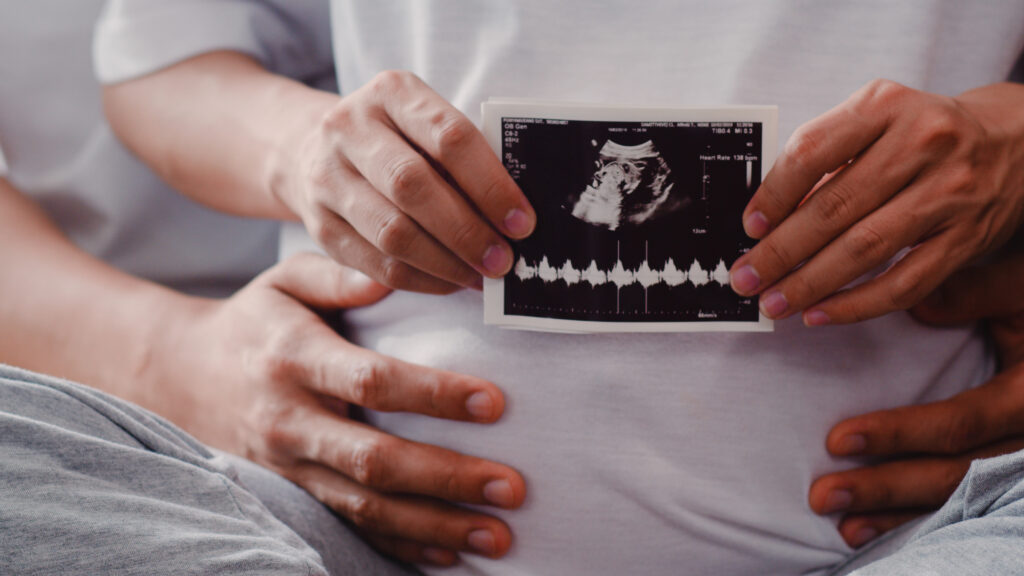
- Pelvic ultrasound
- Blood tests
- Advanced imaging if needed
In some cases, minimally invasive procedures like laparoscopy may be recommended to get a clearer view.
Accurate diagnosis is the foundation of effective treatment.
Treatment Options Available
Treatment depends on the underlying cause. There is no one-size-fits-all approach.
Medical Management
- Pain relief medications
- Hormonal therapy
- Antibiotics (for infections)
Minimally Invasive Procedures
Modern gynecological care in Dubai emphasizes minimally invasive techniques that reduce downtime and improve recovery.
Lifestyle Adjustments
- Stress management
- Regular physical activity
- Dietary changes
Specialized Care
At centers like German Medical Center, patients benefit from a multidisciplinary approach that combines expertise across specialties to address complex cases of pelvic pain in women Dubai.
Why Early Intervention Matters
Ignoring pelvic pain can lead to delayed diagnosis of serious conditions. What starts as mild discomfort may progress into chronic pain or complications.
Early intervention offers:
- Better treatment outcomes
- Reduced risk of complications
- Improved quality of life
In a healthcare-driven city like Dubai, access to advanced diagnostics and experienced specialists makes it easier to address these concerns proactively.
A Note on Lifestyle and Awareness
Modern lifestyles can sometimes mask symptoms. Busy schedules, high stress, and irregular routines may cause women to overlook warning signs.
Taking time to understand your body and recognizing patterns in your health is essential. Awareness is often the first step toward prevention and early care.
Final Thoughts
Pelvic pain is not something that should be normalized or ignored. While occasional discomfort may be part of life, persistent or severe pain deserves attention.
Understanding the causes of pelvic pain in women, recognizing warning signs, and seeking timely care can make all the difference. Whether it’s a minor issue or a more complex condition, early evaluation ensures the best possible outcome.
If you are experiencing ongoing discomfort, consulting a trusted gynecologist for pelvic pain Dubai residents rely on can help you find clarity, relief, and the right path forward.