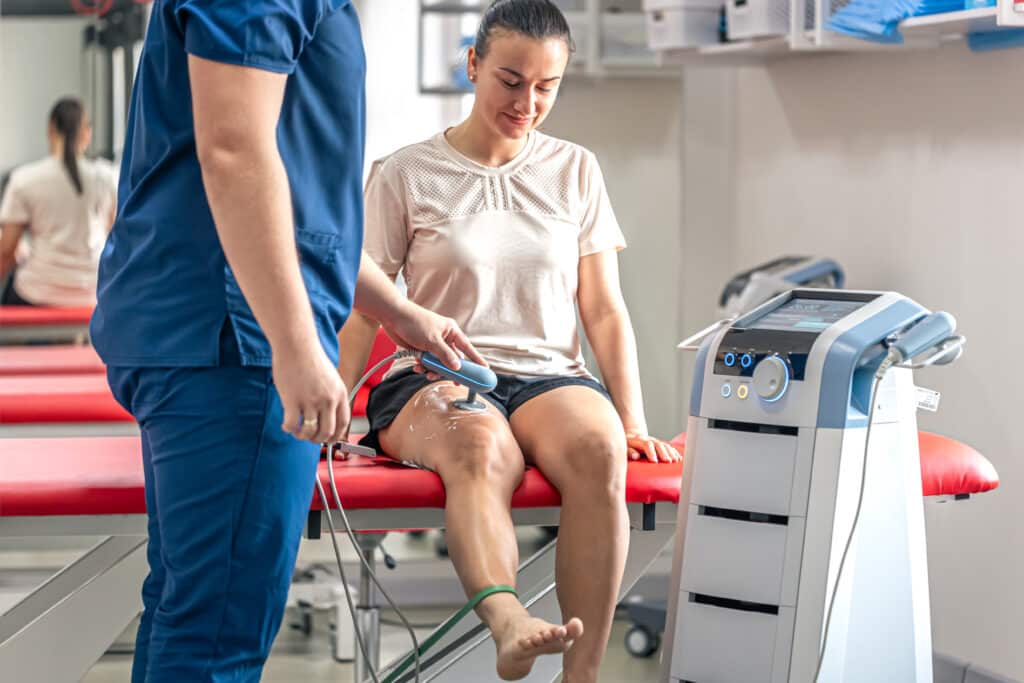



Stem cell therapy is one of those treatments people hear about long before they fully understand it. Patients ask whether it really works, doctors are careful about how they explain it, and clinics have to separate real medical use from exaggerated promises. At its core, this treatment isn’t mysterious. It’s a medical approach built on the body’s own repair systems, used carefully and selectively in modern care.
At German Medical Center, stem cell therapy is approached with restraint, evidence, and clinical judgment. This matters, especially in orthopedic care, where expectations must align with what medicine can genuinely deliver.
This article breaks down what stem cell therapy is, how it’s used in orthopedic treatment, what makes it safe, and why Dubai has become a regional hub for this type of care.
What Stem Cell Therapy Actually Is
A stem cell is a basic building block of the body. Unlike specialized cells, these cells can develop into different types of tissue under the right conditions. In orthopedic medicine, that ability is used to support repair in joints, cartilage, tendons, and ligaments.
Stem cell therapy doesn’t replace surgery in every case. It doesn’t regrow entire joints overnight. What it does, when used correctly, is support healing and reduce inflammation in areas where the body struggles to repair itself.
In orthopedic treatment, stem cells are typically taken from the patient’s own body. Bone marrow and adipose tissue are the most common sources. The cells are processed and then reintroduced into the affected area. Because the stem cell comes from the same person, the risk of rejection is low.
This is why orthopedic stem cell treatment in Dubai is often described as regenerative rather than corrective. It focuses on helping the body do what it already knows how to do, but more effectively.
Why Orthopedic Conditions Are a Key Focus
Orthopedic problems are persistent by nature. Cartilage doesn’t regenerate easily. Tendons heal slowly. Joint damage tends to worsen over time rather than improve on its own.
That’s where stem cell treatment fits into orthopedic care. Doctors use it to address conditions like early osteoarthritis, sports injuries, tendon degeneration, and chronic joint pain. In many cases, patients are looking for options that sit between physiotherapy and surgery.
Orthopedic stem cell treatment in Dubai has grown because patients want alternatives that don’t involve long recovery periods or invasive procedures. For the right patient, stem therapy can reduce pain, improve movement, and delay or even avoid surgery.
This doesn’t mean it works for everyone. A careful orthopedic evaluation is essential. Imaging, physical examination, and medical history all guide whether this treatment makes sense.
How Orthopedic Stem Cell Treatment Works in Practice
The process usually starts with assessment. An orthopedic specialist evaluates the joint or tissue involved, confirms the diagnosis, and decides whether stem cell treatment is appropriate.
If approved, the procedure is typically done in a controlled clinical setting. Cells are collected, processed, and injected during the same visit or over a short timeline. The treatment itself is minimally invasive, especially compared to surgery.
Recovery varies. Some patients feel improvement within weeks, while others notice gradual changes over months. Activity restrictions are usually short-term, and many patients return to daily routines quickly.
This practical, step-by-step approach is why Dubai has become known for offering well-structured orthopedic stem cell treatment under medical supervision rather than experimental settings.
Safety: What Patients Should Actually Know
Safety is one of the most important topics around stem cell therapy, and also one of the most misunderstood.
Orthopedic stem cell treatment is considered safe when performed using approved protocols, proper patient selection, and sterile medical environments. Using the patient’s own stem cell reduces immune risks. That said, it’s still a medical procedure, not a cosmetic add-on.
Potential side effects are usually mild. Temporary swelling, soreness at the injection site, or stiffness can occur. Serious complications are rare when treatment is done by experienced orthopedic specialists.
Dubai’s healthcare regulations also play a role. Clinics offering stem cell treatment must meet strict standards, which adds another layer of patient protection.
This is why patients are encouraged to seek treatment at established medical centers rather than unregulated providers advertising unrealistic outcomes.
Common Orthopedic Uses of Stem Cell Treatment
Orthopedic stem cell treatment in Dubai is commonly used for joint-related conditions. Knee pain related to cartilage wear is one example. Shoulder injuries, including rotator cuff degeneration, are another. Tendon issues around the elbow or ankle are also frequently treated.
In sports medicine, stem therapy is sometimes used to support recovery from ligament injuries. For active patients, the goal is often faster recovery with less disruption to training or work.
Each case is different. The orthopedic specialist determines whether stem cell treatment alone is appropriate or whether it should be combined with physiotherapy or other treatments.
These real-world examples show how orthopedic stem cell treatment fits into modern care without replacing established medical practices.
How It Compares to Other Orthopedic Treatments
Patients often ask how stem cell therapy compares to traditional orthopedic options. Compared to surgery, it’s far less invasive. Compared to pain medication, it addresses underlying tissue health rather than masking symptoms.
Physiotherapy remains essential, both before and after treatment. In many cases, stem cell treatment works best alongside guided rehabilitation rather than as a standalone solution.
This is where careful comparison matters. Stem therapy isn’t a shortcut. It’s a medical tool used when appropriate, guided by orthopedic expertise.
Understanding how to compare orthopedic treatments helps patients make realistic, informed decisions rather than chasing trends.
Who Is a Good Candidate?
Not every orthopedic patient benefits from stem cell therapy. Severe joint destruction, advanced arthritis, or mechanical joint instability may still require surgery. Age, overall health, and activity level also matter.
Patients with early to moderate joint degeneration often see the most benefit. Those who want to reduce pain and maintain function without immediate surgery are commonly considered.
This is why a proper orthopedic guide matters. Treatment decisions shouldn’t be rushed or based on marketing claims. A thorough review by an orthopedic specialist is essential.
Why Dubai Is a Regional Hub for This Treatment
Dubai has invested heavily in advanced medical care, particularly in orthopedics and regenerative medicine. Patients benefit from access to experienced specialists, modern facilities, and regulated treatment protocols.
Orthopedic stem cell treatment in Dubai attracts both residents and international patients because it combines expertise with oversight. That balance is critical for safety and results.
The city’s healthcare system supports careful adoption of new treatments rather than unchecked experimentation. That’s an important distinction in regenerative medicine.
Choosing the Right Orthopedic Provider
Choosing the right care always starts with context. Patients searching for the best orthopedic options are often trying to understand whether stem cell treatment fits their condition or if another approach makes more sense. In Dubai, access to top orthopedic specialists makes it easier to review real medical options instead of relying on online hype.
This article works as a practical guide orthopedic patients can use before booking a consultation. It reflects a real-world review orthopedic specialists rely on when assessing whether stem cell treatment is suitable, based on diagnosis, imaging, and long-term joint health.
Many patients ask how to orthopedic specialists decide between regenerative therapy and surgery. The answer depends on tissue damage, stability, and progression. There are also simple tips orthopedic doctors often share, such as avoiding rushed decisions and combining treatment with proper rehabilitation.
To make this clearer, it helps to look at real examples orthopedic clinics see every day, including early cartilage wear, tendon degeneration, and joint inflammation. The benefits orthopedic patients value most include pain reduction, improved mobility, and shorter recovery time when stem cell treatment is used appropriately.
Understanding the features orthopedic specialists focus on, such as cell source, injection accuracy, and follow-up care, allows patients to make informed decisions. It’s also important to compare orthopedic stem cell treatment carefully with physiotherapy, injections, or surgery, rather than viewing it in isolation.
Finally, patients often want to know stem cell therapy vs orthopedic surgery. In many cases, the two are not competitors but part of a broader treatment plan, where regenerative therapy may delay or reduce the need for surgical intervention.
Final Thoughts
Stem cell therapy has earned its place in modern orthopedic treatment, but only when used responsibly. It’s not experimental hype, and it’s not magic. It’s a medical option that works best when guided by evidence, experience, and realistic expectations.
Orthopedic stem cell treatment in Dubai continues to grow because patients want thoughtful care that bridges the gap between conservative treatment and surgery. With the right evaluation and the right provider, it can play a meaningful role in managing joint and tissue conditions.
If you’re considering this option, start with a proper orthopedic consultation. Understanding your condition is the first step toward choosing the treatment that truly fits.