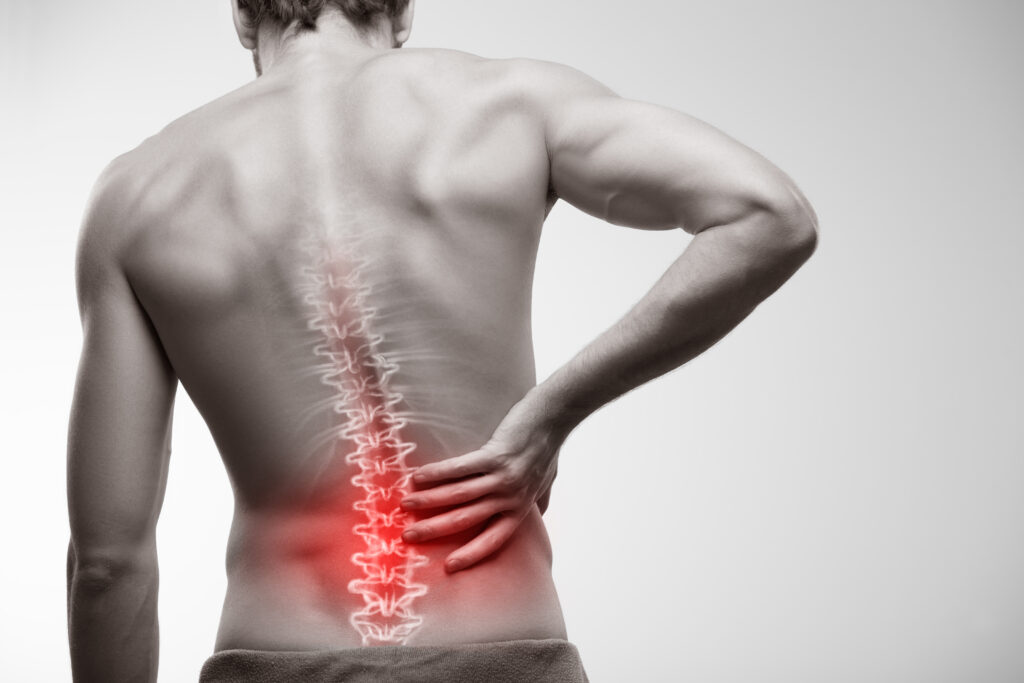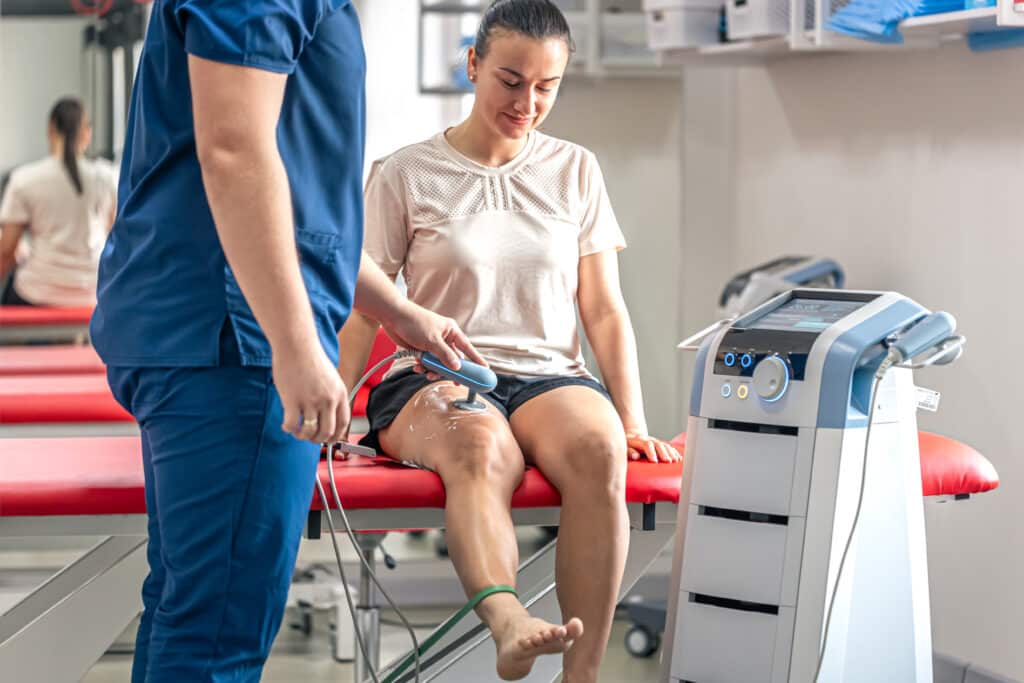


Joint pain has a way of slowly taking over everyday life. It might begin as a slight discomfort when climbing stairs or after a workout, but over time, it can limit movement, affect sleep, and reduce overall quality of life. In a city like Dubai, where active lifestyles are common, many patients are now turning to non-surgical joint treatment Dubai options that offer faster recovery without long downtime.
Among the most talked-about solutions today are PRP therapy for joint pain Dubai and stem cell therapy for joints Dubai. Both fall under the umbrella of regenerative medicine Dubai, but they work differently—and choosing between them isn’t always straightforward.
This guide breaks down the differences, benefits, and realistic expectations so you can better understand which option might be right for your condition.
Understanding Regenerative Treatments for Joint Injuries
Before comparing treatments, it’s important to understand what regenerative medicine actually does.
Unlike traditional approaches that focus on masking pain (like medication) or replacing damaged tissue (like surgery), regenerative treatments aim to repair and restore the body’s own tissues. This makes them particularly appealing for patients dealing with:
- Knee pain
- Shoulder injuries
- Tendon damage
- Early-stage arthritis
- Sports-related injuries
Both PRP and stem cell therapies are designed to stimulate healing—but they differ in strength, depth, and long-term outcomes.
What Is PRP Therapy?
Platelet-Rich Plasma (PRP) therapy is one of the most widely used regenerative treatments today.
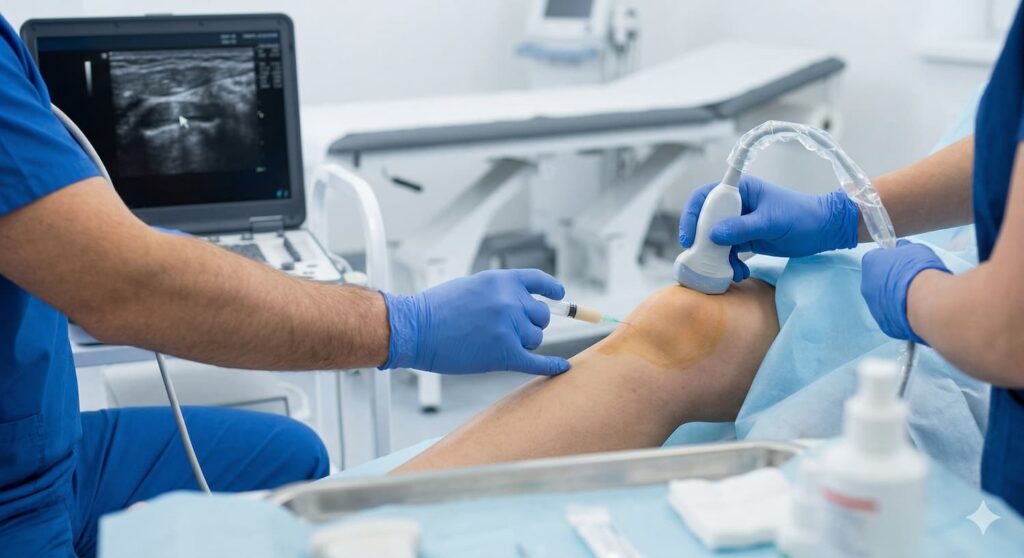
It involves drawing a small amount of the patient’s blood, processing it in a centrifuge to concentrate platelets, and then injecting it into the affected joint. These platelets contain growth factors that help accelerate healing.
Why patients choose PRP therapy:
- Minimally invasive
- Uses the body’s own blood (low risk)
- Quick procedure (usually under an hour)
- Little to no downtime
Where PRP works best:
PRP is often recommended for mild to moderate joint injuries, such as:
- Early cartilage damage
- Tendinitis
- Ligament strain
For many patients in Dubai, PRP is considered a first step before exploring more advanced treatments.
What Is Stem Cell Therapy?
Stem cell therapy goes a step further.
Instead of simply boosting healing signals like PRP, stem cells have the ability to transform into different types of cells, including cartilage and tissue cells. This makes them particularly powerful in repairing more significant joint damage.
Stem cells are typically harvested from bone marrow or fat tissue and then injected into the injured area.
Why patients consider stem cell therapy:
- Potential to regenerate damaged tissue
- Suitable for more advanced joint conditions
- Longer-lasting results compared to PRP
- May delay or prevent surgery
Where stem cells are most effective:
- Moderate to severe cartilage damage
- Degenerative joint conditions
- Chronic injuries that haven’t responded to PRP
For patients looking for deeper healing, stem cell therapy for joints Dubai is often seen as a more advanced option.
Stem Cell vs PRP Therapy Dubai: Key Differences
| Factor | PRP Therapy for Joint Pain Dubai | Stem Cell Therapy for Joints Dubai |
|---|---|---|
| Treatment Type | Uses concentrated platelets from your own blood | Uses stem cells from bone marrow or fat tissue |
| How It Works | Stimulates natural healing through growth factors | Regenerates damaged tissue by forming new cells |
| Best For | Mild to moderate joint injuries | Moderate to severe joint damage or degeneration |
| Healing Strength | Supports and accelerates healing | Actively rebuilds and repairs tissue |
| Procedure Complexity | Simple, quick outpatient procedure | More advanced and slightly longer procedure |
| Recovery Time | Minimal downtime, quick recovery | Slightly longer recovery, gradual improvement |
| Number of Sessions | May require multiple sessions | Often fewer sessions needed |
| Results Timeline | Noticeable results in a few weeks | Gradual improvement over months |
| Longevity of Results | Temporary to mid-term relief | Longer-lasting regenerative outcomes |
| Cost Range | More affordable | Higher investment due to advanced process |
| Suitability | Early-stage conditions and active individuals | Chronic conditions or patients avoiding surgery |
Which Treatment Is Better for Joint Injuries?
The honest answer: it depends.
For someone with mild knee discomfort after exercise, PRP may be enough to restore function and reduce pain. But for a patient dealing with long-term cartilage damage or early osteoarthritis, PRP alone may not provide lasting relief.
This is where stem cell therapy becomes more relevant.
A practical way to think about it:
- If the goal is to stimulate healing, PRP may be sufficient
- If the goal is to rebuild tissue, stem cells may be the better choice
In clinical practice, some treatment plans even combine both approaches for enhanced results.
What to Expect During Treatment
Both treatments are performed as outpatient procedures, meaning you can go home the same day.
PRP Therapy Experience:
- Blood is drawn
- Platelets are concentrated
- Injection into the joint
- Mild soreness for a few days
Stem Cell Therapy Experience:
- Stem cells are extracted (bone marrow or fat)
- Processed and prepared
- Injected into the affected area
- Slightly longer recovery period
Patients are usually advised to limit intense activity for a short period after either treatment.
Recovery and Results Timeline
Results don’t happen overnight—and managing expectations is key.
PRP Results:
- Improvement may begin within a few weeks
- Full effect seen in 4–6 weeks
- May require multiple sessions
Stem Cell Results:
- Gradual improvement over several months
- Continued healing over time
- Often longer-lasting outcomes
Patients seeking non-surgical joint treatment Dubai often prefer these options because they avoid the extended downtime associated with surgery.
Are These Treatments Safe?
Both PRP and stem cell therapies are generally considered safe when performed by experienced medical professionals.
Because PRP uses your own blood, the risk of rejection is minimal. Stem cell therapy, when done properly, also carries a low risk, although it is a more complex procedure.
Choosing a reputable clinic with experienced specialists is essential for safety and effectiveness.
When Should You Consider These Treatments?
You may be a candidate for regenerative therapy if you:
- Have persistent joint pain
- Want to avoid surgery
- Haven’t responded to physiotherapy or medication
- Are looking for long-term healing solutions
Patients across Dubai are increasingly exploring regenerative medicine Dubai as an alternative to traditional orthopedic procedures.
Final Thoughts: Making the Right Choice
Choosing between PRP and stem cell therapy isn’t about following trends—it’s about understanding your condition and selecting the treatment that aligns with your recovery goals.
PRP is often the starting point for many patients, offering a simple and effective way to boost healing. Stem cell therapy, on the other hand, provides a more advanced approach for deeper, long-term repair.
The most important step is a proper medical evaluation. A specialist can assess the severity of your joint condition and recommend whether PRP, stem cell therapy, or a combination of both would be most effective.
Conclusion
As regenerative treatments continue to evolve, patients now have access to options that were once considered cutting-edge. Whether it’s PRP therapy for joint pain Dubai or stem cell therapy for joints Dubai, the focus has shifted from temporary relief to true healing.
For those seeking a non-surgical joint treatment Dubai, understanding the difference between these therapies is the first step toward making a confident, informed decision.