


A sudden pain in the jaw can make almost anyone suspect a bad tooth. Sometimes that is exactly what it is. At other times, the teeth are healthy and the pain is coming from a nerve.
The confusion is understandable. The trigeminal nerve carries sensation from much of the face, including the cheeks, jaws, teeth and gums. When this nerve produces pain, it can feel remarkably similar to a dental problem. Some people even point to one particular tooth, although a dental examination finds no decay, crack or infection.
Understanding trigeminal neuralgia vs toothache can help you describe your symptoms more clearly and choose the right place to begin an assessment. However, the differences are not always obvious, and facial pain should not be self-diagnosed.
What is trigeminal neuralgia?
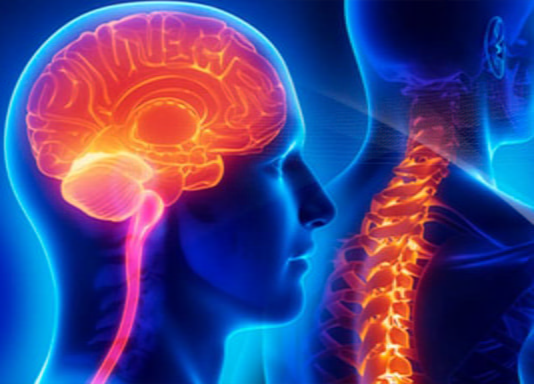
Trigeminal neuralgia is a chronic pain condition involving the trigeminal nerve, the main nerve responsible for facial sensation. It is sometimes casually described as facial nerve pain, although the trigeminal nerve and the facial nerve are anatomically different nerves.
The trigeminal nerve divides into three main branches. These supply sensation to the forehead and eye area, the cheek and upper jaw, and the lower jaw. This wide distribution explains why nerve pain may be felt around the lips, gums or teeth rather than along an obvious nerve pathway.
Classic trigeminal neuralgia symptoms include sudden, severe attacks that feel like an electric shock, stabbing sensation or sharp jolt. An attack may last only a few seconds, but several attacks can occur close together. Some people also experience a dull ache, burning discomfort or tenderness between the more intense episodes.
Pain usually affects one side of the face. Everyday actions such as washing the face, shaving, speaking, eating or brushing the teeth may trigger it. Even a light breeze or gentle touch can be enough to set off an attack.
What causes an ordinary toothache?
A toothache usually begins within a tooth or the tissues around it. Possible causes include tooth decay, an inflamed dental pulp, a cracked tooth, gum disease, an abscess or a damaged filling. Teeth grinding and problems with the jaw joint can also produce pain that feels dental.
Typical toothache symptoms include a steady ache, throbbing pain, tenderness when biting, or sensitivity to hot, cold or sweet foods. The affected tooth may remain painful after the temperature stimulus has been removed. Swelling, red gums, an unpleasant taste or fever can point towards an infection.
Unlike the brief electric shocks associated with classic trigeminal neuralgia, dental pain often persists for minutes or hours and may gradually become worse. That distinction is helpful, but it is not absolute. A cracked tooth may produce sharp pain, while some forms of trigeminal neuralgia include continuous aching or burning.
Trigeminal neuralgia vs toothache: the main differences
| Feature | Trigeminal neuralgia | Toothache |
|---|---|---|
| Pain quality | Electric, shooting, stabbing or shock-like | Aching, throbbing, pressure or sensitivity |
| Duration | Usually seconds to around two minutes per attack | Often persistent or prolonged |
| Location | May affect the cheek, jaw, gum or several teeth | Usually centred on one tooth or a nearby area |
| Common triggers | Light touch, talking, chewing, shaving or a breeze | Biting, chewing, hot, cold or sweet foods |
| Visible dental problem | Often absent | Decay, a crack, swelling or gum disease may be present |
| Pattern | Repeated attacks with pain-free periods | Pain may continue and gradually worsen |
| Side affected | Usually one side of the face | Can occur on either side, depending on the tooth |
| Response to pain relief | Ordinary painkillers may provide little benefit | Relief varies according to the dental cause |
This comparison offers clues, not a diagnosis. There is enough overlap between trigeminal neuralgia vs toothache that an examination may be needed before either condition can be ruled in or out.
Four clues that the pain may be coming from a nerve
1. The pain arrives like an electric shock
One of the most recognisable trigeminal neuralgia symptoms is pain that appears abruptly, reaches full intensity almost immediately and then stops. A person may feel normal between attacks, particularly early in the condition.
Dental pain is more likely to build, throb or linger, although exceptions are possible.
2. Gentle contact triggers severe pain
With trigeminal neuralgia, a surprisingly light action can act as a trigger. Applying makeup, drying the face with a towel or feeling air from an air conditioner may cause intense facial nerve pain.
A toothache is more commonly aggravated by pressure on a specific tooth, biting, or a change in temperature inside the mouth.
3. The painful “tooth” seems to move
Nerve pain may appear to involve different teeth or a wider section of the jaw. Patients sometimes struggle to identify one consistent source.
Dental pain is generally easier to localise, particularly when a specific tooth reacts to tapping, biting, heat or cold. However, referred dental pain can still make localisation difficult.
4. Dental tests do not reveal a cause
If dental X-rays and a clinical examination repeatedly show no explanation for severe, recurring pain, a non-dental cause deserves consideration. This does not automatically mean trigeminal neuralgia. Sinus conditions, temporomandibular joint disorders, migraines and other nerve problems can also resemble a toothache.
Avoid proceeding with irreversible dental treatment solely in the hope that unexplained pain will disappear. A clear dental diagnosis should support procedures such as root canal treatment or extraction.
Why are the two conditions so easily confused?
The trigeminal nerve supplies sensation to the teeth, gums and jaw. The brain therefore receives nerve signals from the same general region whether the original problem lies in a tooth or along the nerve itself.
There is another practical reason. When someone feels pain in a tooth, a dentist is usually the first clinician they visit. That is often the correct starting point because dental disease is common and needs to be excluded. If the examination does not identify a dental cause, the pattern and history of the pain become especially important.
Keeping a short pain diary can help. Note when each episode starts, how long it lasts, what it feels like, which side is affected and what triggered it. Also record whether you noticed swelling, fever, numbness, a rash or weakness. These details can be more useful than simply rating the pain from one to ten.
How doctors diagnose facial nerve pain
There is no single test that confirms every case of trigeminal neuralgia. Diagnosis begins with a careful description of the attacks and a physical and neurological examination.
A dentist may examine the teeth and gums, test individual teeth and take dental X-rays. German Medical Center’s Dentistry service is a natural internal link here because excluding decay, infection or a cracked tooth is often an important first step.
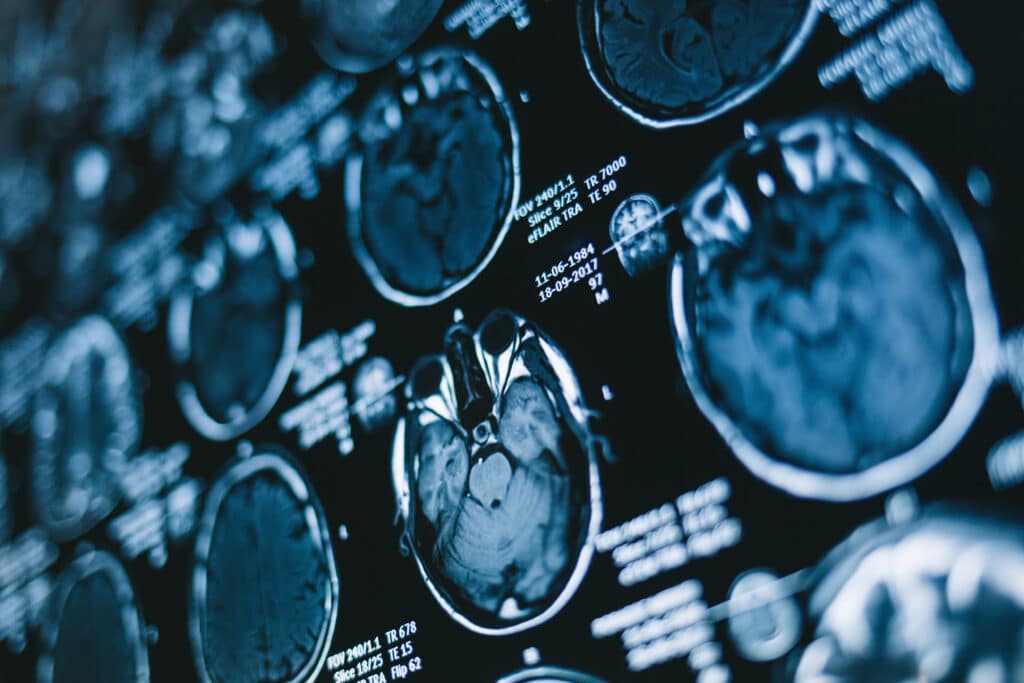
When the symptoms suggest facial nerve pain, a doctor may assess facial sensation, reflexes and the precise distribution of the pain. An MRI may be recommended to look for possible nerve compression or another condition affecting the trigeminal nerve.
Patients looking for a neurologist in Dubai should choose a clinician experienced in facial pain because several conditions can produce similar symptoms. In selected or persistent cases, assessment by the medical or neurosurgical team may also be appropriate.
How treatment differs
Dental treatment addresses the source of the toothache. Depending on the diagnosis, this might involve treating decay, repairing a crack, managing gum disease, performing root canal treatment or draining an infection. Antibiotics are not an automatic treatment for every toothache and should be used only when clinically indicated.
Trigeminal neuralgia requires a different approach. Doctors commonly begin with prescription medicines that reduce abnormal nerve signalling. These medicines require medical supervision because doses may need to be adjusted and side effects monitored.
If medication is ineffective, poorly tolerated or no longer controls the attacks, specialist procedures may be discussed. The choice depends on the type of neuralgia, imaging findings, general health and personal preferences. This provides a relevant opportunity to link to German Medical Center’s Neurosurgery service, without implying that every patient needs surgery.
A person searching for a neurologist in Dubai or specialist treatment should bring previous dental records, imaging reports and a list of medicines to the consultation. This can prevent repeated tests and help the clinician understand how the pain has changed.
When should facial pain be assessed urgently?
Seek prompt dental or medical care if facial pain is accompanied by:
- Swelling of the face, jaw or gums
- Fever, pus or a persistent unpleasant taste
- Difficulty swallowing, breathing or opening the mouth
- New facial numbness, weakness or drooping
- Vision changes, confusion or a sudden severe headache
- A blistering rash near the eye or on one side of the face
- Pain that is rapidly worsening or preventing eating and drinking
Facial drooping, speech difficulty or weakness in an arm or leg can be signs of a stroke and require emergency assistance.
Getting the right assessment at German Medical Center
When jaw or tooth pain keeps returning, the goal is not simply to silence the symptom. It is to find where the pain is coming from.
At German Medical Center in Dubai Healthcare City, patients can begin with an appropriate clinical assessment and be guided towards dental, medical or neurosurgical care when required. This coordinated approach is particularly valuable when the difference between trigeminal neuralgia vs toothache is unclear.
A dental examination can identify common tooth-related causes. If the teeth appear healthy and the pattern suggests facial nerve pain, further medical assessment may prevent unnecessary dental procedures and move the patient closer to suitable treatment.
If you are experiencing recurring electric-shock pain, unexplained tooth pain or other possible trigeminal neuralgia symptoms, book an appointment with German Medical Center for a professional evaluation.