


Urinary Tract Infection and Bladder Treatment in Dubai
Burning, frequent urination, strong urgency or difficulty controlling your bladder can have several possible causes. The right treatment begins with an accurate diagnosis.
Consult the urology team at German Medical Center for confidential assessment of urinary tract infections, overactive bladder, urinary incontinence and other bladder concerns.
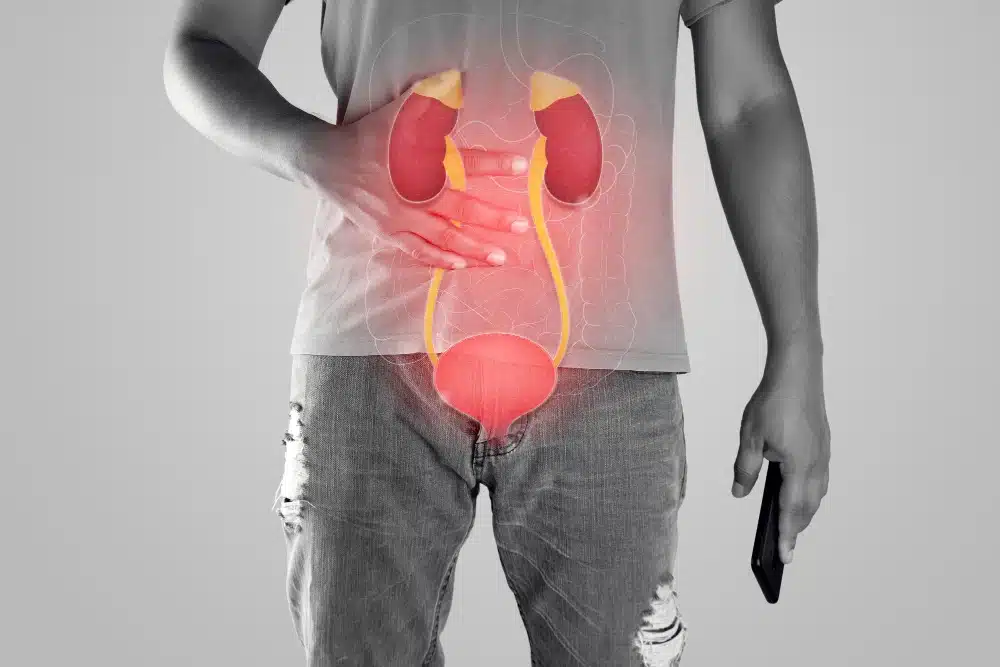


Get Your Urinary Symptoms Assessed
Urinary symptoms should not be treated with a one-size-fits-all approach. Burning may indicate an infection, while urgency and frequent urination can also be related to overactive bladder, prostate conditions, stones, diabetes or other causes.
Our urologists assess your symptoms and recommend a personalised urinary treatment plan based on the diagnosis.
Do These Symptoms Sound Familiar?
- Burning or pain while urinating
- Frequent or intense urges to urinate
- Passing only small amounts of urine
- Cloudy, bloody or strong-smelling urine
- Lower abdominal or pelvic discomfort
- Waking repeatedly at night to urinate
- Sudden urgency or urine leakage
- Difficulty starting or maintaining urine flow
Blood in the urine, fever, back or side pain, vomiting, inability to urinate or rapidly worsening symptoms require prompt medical attention.
Book Your Consultation
Fill in your details — it takes less than a minute.
Your information is confidential and used only to arrange your visit.
Our Urology Specialists
German-trained consultants leading urological care at German Medical Center, Dubai Healthcare City.
 Urologist
Dr. Ashraf Kamel
Focused on general urology, kidney stone management and urinary tract health for adult patients.
 Urologist
Prof. Ralf Herwig
Broad expertise across general urology and urologic oncology, with a focus on prostate and kidney health.
 Urologist
Prof. Kai Kohrmann
Specialist in prostate health and minimally invasive and laparoscopic urological surgery.
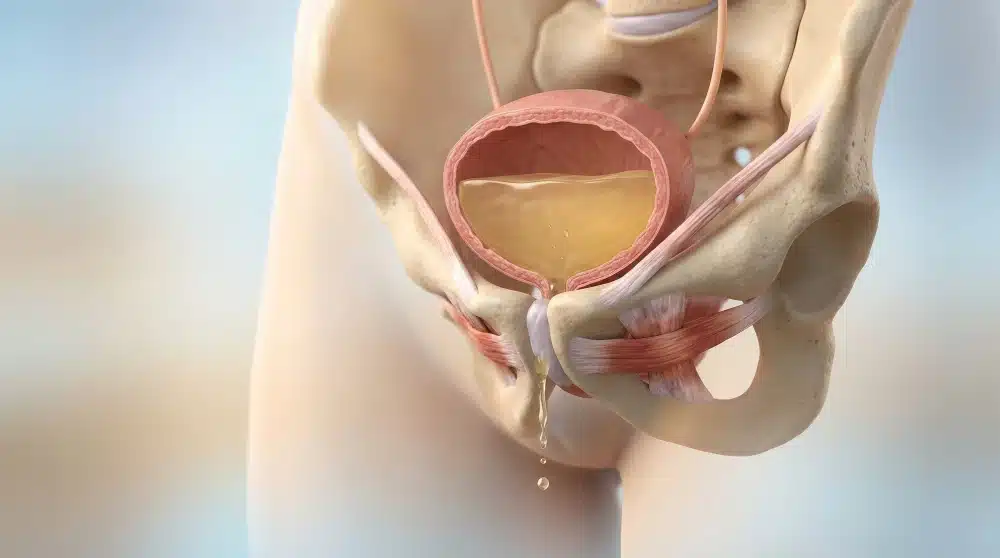
Urinary Tract Infection Treatment in Dubai
A urinary tract infection, commonly called a UTI or urine infection, develops when bacteria or, less commonly, another organism affects part of the urinary system.
The urinary tract includes the:
Kidneys
Ureters
Bladder
Urethra
A lower UTI generally affects the bladder or urethra. An infection that reaches the kidneys can cause more serious symptoms and requires prompt medical treatment.
Common UTI Symptoms
Burning or pain during urination
A frequent or urgent need to urinate
Passing small amounts of urine
Lower abdominal discomfort
Cloudy urine
Strong-smelling urine
Blood in the urine
Feeling that the bladder has not emptied
Fever, chills, nausea, vomiting or pain in the back, side or groin may indicate that an infection has reached the kidneys.
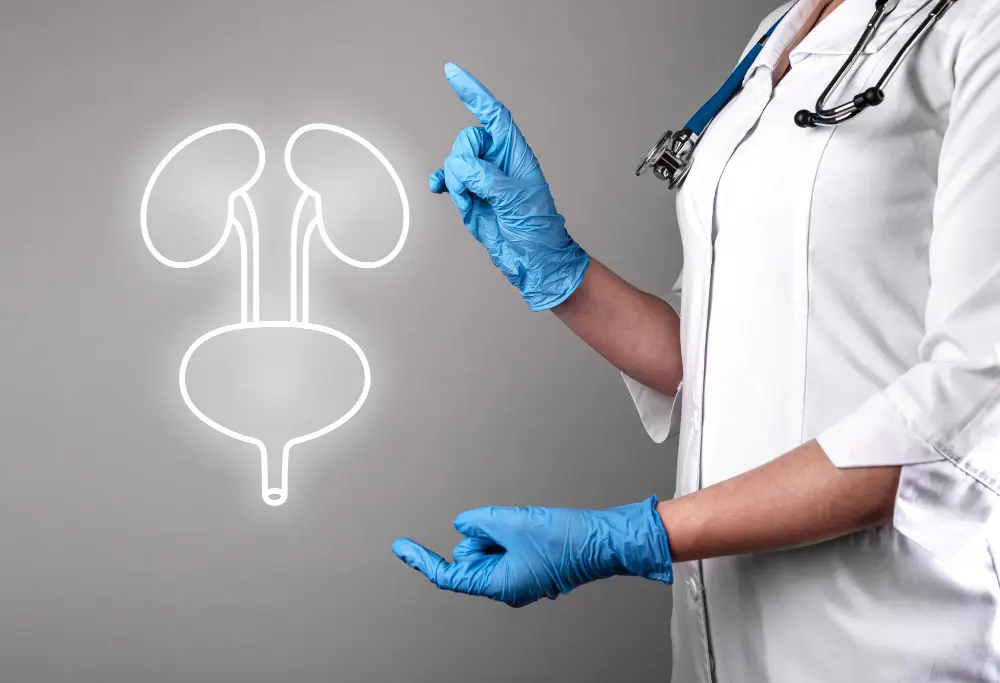
Urine Infection Treatment
Appropriate urine infection treatment begins by confirming whether an infection is present and considering where it is located.
Assessment may include:
Review of symptoms and medical history
Urine analysis
Urine culture when appropriate
Review of previous infections and antibiotics
Ultrasound or other investigation for recurrent or complicated infections
Assessment for kidney stones, obstruction or prostate conditions
A bacterial bladder infection is commonly treated with a prescribed antibiotic. The choice and duration depend on factors such as the patient’s symptoms, test results, allergies, pregnancy status, sex, medical history and whether infections are recurrent.
Antibiotics should not be taken without medical advice. Not every episode of burning or urinary frequency is caused by a bacterial infection.

Frequent Urination
Frequent urination means needing to urinate more often than is normal for you. It can occur during the day, at night or both.
Possible causes include:
Urinary tract infection
Overactive bladder
Increased fluid or caffeine intake
Diabetes
Pregnancy
Certain medications
Enlarged prostate
Kidney or bladder stones
Anxiety
Neurological conditions
Less commonly, bladder or urinary tract cancer
Frequency alone does not identify the cause. A urology assessment may include a urine test, bladder diary, ultrasound, measurement of bladder emptying or other investigations.

Bladder Cancer Treatment
If test results suggest bladder cancer, further investigations are required to confirm the diagnosis and determine the tumour’s type, grade and stage.
Assessment may include:
Urine laboratory tests
Ultrasound or other imaging
Cystoscopy to examine the bladder
Removal or biopsy of suspicious tissue
CT or MRI when clinically indicated
Bladder cancer treatment depends on whether the disease is limited to the bladder lining, has reached the bladder muscle or has spread elsewhere.
Potential treatments may include:
Transurethral removal of bladder tumour tissue
Medicine placed directly into the bladder
Surgery
Chemotherapy
Immunotherapy
Radiation therapy
A combination of treatments
The treating urologist and oncology team will explain which options are relevant based on the confirmed diagnosis, overall health and individual preferences.
Urological care you can trust
German-trained specialists
Consultants who bring German urological standards to every diagnosis and procedure.
Full spectrum of urological care
General urology, oncology, minimally invasive surgery and pediatric urology — all in one clinic.
Confidential & discreet
Every consultation is handled with the privacy and sensitivity men's health concerns deserve.
Convenient DHCC location
Centrally located in Dubai Healthcare City with easy access and insurance direct billing.
Frequently asked questions
What is a urinary tract infection?
A urinary tract infection is an infection affecting part of the urinary system, most commonly the bladder or urethra. Some infections can spread to the kidneys.
What are the most common UTI symptoms?
Common symptoms include burning during urination, frequent urgency, passing small amounts of urine, cloudy or strong-smelling urine and lower abdominal discomfort.
Does frequent urination always mean I have a UTI?
No. Frequent urination can be caused by overactive bladder, diabetes, increased fluid intake, medication, prostate enlargement, pregnancy, stones and other conditions.
Why do I keep getting urine infections?
Recurrent infections may be related to incomplete bladder emptying, stones, urinary abnormalities, hormonal changes, sexual activity, certain contraceptives, catheters or other factors. Further assessment may be recommended.
What is the difference between UTI and overactive bladder?
A UTI is usually caused by an infection. Overactive bladder is characterised by urgency and frequency and is not necessarily caused by bacteria. Testing may be required because the symptoms can overlap.
What causes urine leakage?
Urine leakage can be associated with pelvic-floor weakness, overactive bladder, pregnancy and childbirth, prostate treatment, obstruction, neurological conditions or other factors.
Can urinary incontinence be treated?
Yes. Treatment may include bladder training, pelvic-floor therapy, medication, bladder injections, medical devices or surgery, depending on the type and cause.
Is blood in the urine always cancer?
No. Infection, stones and other non-cancerous conditions can cause blood in the urine. Nevertheless, visible blood should always be medically assessed.
What is the most common bladder cancer symptom?
Blood in the urine is the most common symptom. It may come and go and may occur without pain.
How much does UTI or bladder treatment cost?
The cost depends on the consultation, laboratory tests, imaging, diagnosis and treatment required. An individual estimate can be provided after assessment.
Where is German Medical Center located?
We’re based in Dubai Healthcare City (DHCC), with convenient access and on-site parking for patients.
Ready to see a urology specialist?
Book your consultation at German Medical Center, Dubai Healthcare City — confidential, expert urological care in one place.