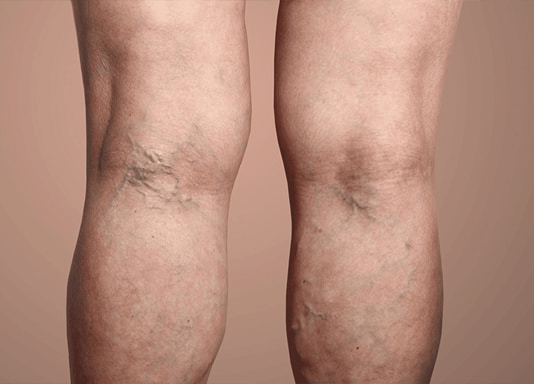



Living with diabetes requires constant awareness, not just of blood sugar levels, but of the silent complications that can develop over time. One of the most serious yet often overlooked conditions is diabetic foot ulcers. For many patients, it begins with something as small as a blister or minor cut—something easy to ignore. But in the context of diabetes, even the smallest wound can turn into a serious medical issue.
In Dubai, where lifestyle-related conditions such as diabetes are increasingly common, awareness around diabetic foot ulcers treatment Dubai is essential. Early detection and timely care can make the difference between simple treatment and life-altering complications.
What Are Diabetic Foot Ulcers?
Diabetic foot ulcers are open sores or wounds that typically develop on the bottom of the foot. They occur in patients with diabetes due to a combination of poor circulation and nerve damage, also known as diabetic neuropathy.
Because nerve damage reduces sensation in the feet, many patients don’t feel pain when an injury occurs. This means a small cut or pressure point can go unnoticed for days or even weeks, allowing it to worsen.
Over time, without proper diabetic wound care Dubai, these ulcers can deepen, become infected, and in severe cases, lead to tissue damage or amputation.
Why Do Diabetic Foot Ulcers Develop?
There isn’t a single cause. Instead, diabetic foot ulcers are usually the result of multiple factors working together.
1. Nerve Damage (Neuropathy)
High blood sugar levels over time damage nerves, especially in the feet. This reduces the ability to feel pain, heat, or injury.
2. Poor Blood Circulation
Diabetes can cause blood vessels to narrow, limiting oxygen and nutrients needed for healing.
3. Foot Deformities or Pressure Points
Conditions like bunions or hammertoes can create pressure areas, leading to skin breakdown.
4. Infections
Even minor wounds can quickly become infected due to weakened immunity in diabetic patients.
These factors collectively increase the risk of diabetes foot complications, making prevention and early care critical.
Causes & Risk Factors Visualization
Common Symptoms to Watch For
Recognizing foot ulcer diabetes symptoms early can prevent serious complications. Many patients overlook the early signs because they are subtle.
Look out for:
- Redness or swelling in the foot
- Drainage or stains in socks
- Foul odor from a wound
- Skin discoloration (dark or black tissue)
- Warmth around a specific area
- Open sores that do not heal
In some cases, there may be little to no pain due to nerve damage. This is why regular foot checks are essential for anyone living with diabetes.
Stages of Diabetic Foot Ulcers
Understanding how these ulcers progress helps patients take action early.
- Stage 1: Superficial wound affecting only the skin
- Stage 2: Deeper wound reaching ligaments or tendons
- Stage 3: Infection reaches deeper tissues or bone
- Stage 4: Localized gangrene
- Stage 5: Extensive gangrene requiring urgent intervention
At later stages, the risk of amputation increases significantly, which is why early diabetic foot ulcers treatment Dubai is crucial.
How Are Diabetic Foot Ulcers Treated?
Treatment depends on the severity of the ulcer, but the primary goal is always the same: promote healing and prevent infection.
1. Wound Cleaning and Dressing
Proper cleaning removes dead tissue and reduces infection risk. Specialized dressings help maintain a moist healing environment.
2. Offloading Pressure
Reducing pressure on the affected foot is essential. This may involve special footwear, casts, or braces.
3. Infection Control
If infection is present, antibiotics may be required. In advanced cases, surgical intervention may be necessary.
4. Improving Blood Flow
In some patients, procedures may be needed to restore circulation.
5. Advanced Wound Care
Modern diabetic wound care Dubai includes therapies such as growth factors, negative pressure therapy, and regenerative treatments.
At a specialized clinic like German Medical Center, a diabetic foot specialist Dubai can assess the wound and create a tailored treatment plan that addresses both the ulcer and its underlying causes.
Treatment & Care Visualization
When Should You See a Specialist?
Many patients delay seeking help, assuming the wound will heal on its own. Unfortunately, this delay can lead to complications.
You should consult a diabetic foot specialist Dubai immediately if:
- The wound does not improve within a few days
- There are signs of infection (redness, swelling, discharge)
- The ulcer is deep or increasing in size
- You notice black or dead tissue
- You have a history of foot ulcers
Early intervention is the most effective way to prevent long-term diabetes foot complications.
Preventing Diabetic Foot Ulcers
Prevention is always better than treatment, especially when it comes to diabetic foot health.
Here are practical steps patients can take:
Daily Foot Inspection
Check for cuts, blisters, redness, or swelling.
Proper Foot Hygiene
Wash feet daily and keep them dry, especially between toes.
Wear Comfortable Footwear
Avoid tight shoes that create pressure points.
Control Blood Sugar Levels
Maintaining stable glucose levels reduces the risk of nerve and vascular damage.
Regular Check-Ups
Routine visits to a diabetic foot specialist Dubai help detect problems early.
Why Early Treatment Matters
Ignoring a diabetic foot ulcer is not just risky—it can be life-changing. What starts as a small wound can quickly escalate into a serious infection, requiring hospitalization or surgery.
In Dubai, access to advanced medical care means that timely diabetic foot ulcers treatment Dubai can significantly reduce complications. The key is not waiting.
Patients who act early often experience faster healing, fewer complications, and better overall outcomes.
Final Thoughts
Diabetic foot ulcers are one of the most serious complications of diabetes, yet they are largely preventable and treatable when addressed early. The challenge lies in awareness and timely action.
If you or a loved one has diabetes, paying close attention to foot health is not optional—it is essential. A simple daily check could prevent a major medical issue.
At German Medical Center, patients have access to comprehensive diabetic wound care Dubai, advanced treatments, and experienced specialists who understand the complexity of diabetes-related conditions.
Taking the first step early can protect not just your feet, but your overall quality of life.