


In short: A small streak of bright-red blood may come from a hemorrhoid or anal fissure, but colour and appearance cannot confirm the cause. Recurrent bleeding, blood mixed with stool, black stool, bowel-habit change, anaemia symptoms or unexplained weight loss needs medical assessment. Heavy or continuous bleeding, large clots, fainting or severe weakness requires urgent care.
Key takeaways
- Hemorrhoids are common, but they are not the only cause of rectal bleeding.
- Painful bright-red bleeding may occur with a fissure; painless bleeding can still need investigation.
- The amount, frequency and associated symptoms help determine urgency.
- Bleeding that continues after hemorrhoid treatment should be reassessed.
- Screening schedules do not replace diagnostic evaluation when symptoms are present.
What rectal bleeding can look like
| Appearance | Possible location or causes | Why it matters |
|---|---|---|
| Bright red on paper or stool surface | Anus or lower rectum, including fissure or hemorrhoids | Common pattern, but recurrence still needs assessment |
| Blood mixed through stool | Rectum or colon among other possibilities | May justify evaluation beyond the anal area |
| Dark red or maroon stool | Bleeding higher in the colon or rapid upper digestive bleeding | Needs prompt clinical assessment |
| Black tar-like stool | Bleeding higher in the digestive tract, although medicines or foods can also darken stool | Urgent assessment is appropriate when bleeding is possible |
Food, iron and some medicines can change stool colour, but a person should not use that possibility to dismiss suspected blood. A clinician can judge the pattern in the context of symptoms and medicines.
Common anorectal causes
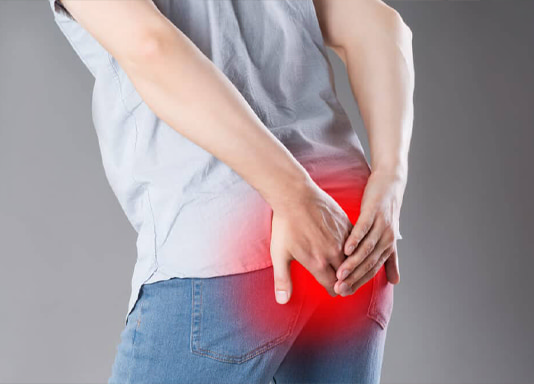
Internal hemorrhoids may cause bright-red bleeding, often without sharp pain. External hemorrhoids can be painful when thrombosed. An anal fissure more often causes a cutting or burning pain during and after a bowel movement with a smaller amount of bright-red blood.
Inflammation, infection, fistula, trauma and other anal or rectal conditions can also bleed. The presence of a familiar hemorrhoid does not prove that every episode comes from it.
Warning signs that change urgency
- heavy or continuous bleeding, large clots or toilet water turning red
- fainting, marked weakness, shortness of breath or a racing heartbeat
- black or tar-like stool, or dark red stool
- severe abdominal pain, rigid abdomen or repeated vomiting
- fever with anal swelling, pus or rapidly worsening pain
- unexplained weight loss, persistent bowel-habit change or unusual tiredness
- bleeding while taking an anticoagulant or antiplatelet medicine
Emergency services are appropriate for major bleeding or symptoms of circulatory compromise. Do not stop a prescribed blood thinner without medical advice; tell the treating team exactly what you take.
How doctors investigate the cause
Assessment starts with the timing, amount and appearance of blood, pain, bowel habits, medicines, personal history and family history. Examination may include inspection, a digital rectal examination and anoscopy when appropriate.
Blood tests may check for anaemia. Stool tests, flexible sigmoidoscopy, colonoscopy or imaging may be considered when the pattern suggests disease beyond the anal canal or when risk factors are present. Not every patient needs every test.
Why symptoms are not screening
Colorectal screening is intended for people without warning symptoms. Rectal bleeding is a diagnostic question, so a person should not wait for a routine screening age or interval before seeking advice.
A normal previous colonoscopy can lower some risks for a period, but it does not explain every new symptom. The clinician will consider when the examination was performed, its quality, the findings and what has changed since then.
Preparing for an assessment
- note the colour, approximate amount and frequency of bleeding
- record whether blood is on paper, on the stool surface or mixed within it
- list pain, mucus, diarrhoea, constipation and bowel-habit changes
- bring all medicines, especially blood thinners and anti-inflammatory drugs
- bring previous endoscopy, pathology and blood-test reports
Avoid self-diagnosing from colour alone. A short, accurate description gives the clinician more useful information than trying to name the condition.
Care at German Medical Center
German Medical Center lists General Surgery and Proctology assessment for anorectal symptoms and also provides gastroenterology services for blood in the stool and investigation of digestive causes. The most appropriate department depends on the full pattern and should be confirmed when booking.
You can also review General Surgery and Proctology Department, Blood in the Stool service and Colonoscopy screening article for relevant service and related-care information.
To discuss your symptoms or test results, Contact German Medical Center to request an appointment with the relevant department in Dubai Healthcare City. The clinician will determine whether further testing or treatment is appropriate for you.
Frequently asked questions
Is bright red blood always hemorrhoids?
No. Hemorrhoids are a common cause, but fissures, inflammation, infection, polyps and other colorectal disorders can also cause bright-red blood. Recurrent or unexplained bleeding should be assessed.
Can a fissure bleed without severe pain?
A typical fissure is painful, but symptom intensity varies and another condition may coexist. Examination is more reliable than using one feature to identify the source.
Should I stop blood thinners if I see blood?
Do not stop prescribed anticoagulant or antiplatelet medicine without medical advice. Seek prompt assessment and tell the clinician the medicine, dose and timing of the most recent dose.
Will rectal bleeding always require colonoscopy?
No. The decision depends on age, risk factors, examination findings, persistence, anaemia, bowel-habit change and previous investigations. Some people need only a focused anorectal examination; others need evaluation of the colon.
When is rectal bleeding an emergency?
Seek emergency care for uncontrolled or heavy bleeding, large clots, fainting, severe weakness, breathing difficulty, black tar-like stool with illness, or bleeding accompanied by severe abdominal pain.
Medical disclaimer
This article provides general health information and does not replace an individual consultation, diagnosis or treatment plan. Symptoms can have several causes. Seek urgent medical care for severe, sudden or rapidly worsening symptoms.