

In short: A proctology appointment usually begins with a private discussion of symptoms, bowel habits, medicines and medical history. The clinician may then suggest an external inspection, a digital rectal examination or a small viewing instrument, depending on the problem. Each step should be explained first, and you can ask questions, discuss discomfort or pause the examination.
Key takeaways
- The consultation starts with questions; an examination is not the first or only step.
- Not every patient needs every examination or test.
- The clinician should explain the purpose of each step and obtain consent.
- A symptom timeline, medicine list and previous reports can make the visit more useful.
- Heavy bleeding, fever or rapidly worsening pain may require urgent care rather than a routine appointment.
Why people see a proctologist
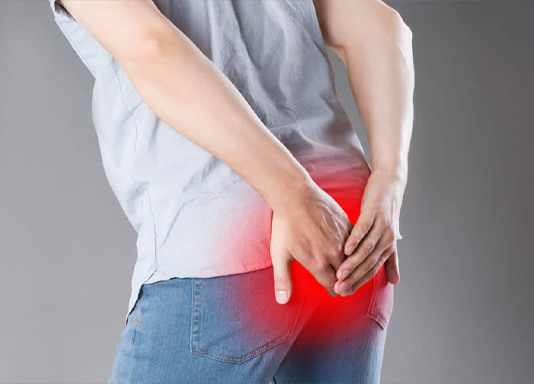
Proctology covers conditions affecting the anus and rectum. Common reasons for an appointment include bleeding, pain during or after bowel movements, itching, a lump, swelling, discharge, recurrent infection, a change in continence or tissue that protrudes from the anus.
These symptoms may have several possible causes. Hemorrhoids, fissures, abscesses, fistulas, skin conditions and bowel disorders can overlap, so the visit is designed to identify the likely source rather than confirm a diagnosis chosen online.
What the clinician will ask
- when the symptoms began and whether they are changing
- what happens during and after a bowel movement
- the colour, amount and frequency of any bleeding
- constipation, diarrhoea, urgency or a change in bowel habits
- fever, abdominal pain, weight loss or unusual tiredness
- medicines, including blood thinners, laxatives and topical products
- previous anorectal surgery, colonoscopy or related diagnoses
Clear answers matter more than perfect terminology. A short written timeline can help if the symptoms are intermittent or difficult to describe.
Possible examination steps
| Step | Purpose | What to expect |
|---|---|---|
| External inspection | Looks for swelling, skin changes, fissures, openings or prolapse | The area around the anus is viewed with appropriate draping and positioning |
| Digital rectal examination | Assesses tenderness, tone, masses and the lower rectum | A lubricated gloved finger is inserted gently if clinically appropriate |
| Anoscopy or proctoscopy | Views the anal canal or lower rectum | A short lubricated instrument may be used when the result would change care |
| Further testing | Investigates symptoms beyond the anal canal | Blood, stool, imaging or endoscopy may be discussed based on findings |
The sequence varies. Severe tenderness may limit an office examination, and urgent symptoms may require a different setting. No procedure should be treated as automatic.
Consent, comfort and privacy
The clinician should explain why an examination is recommended, what it involves and what alternatives exist. You can ask for clarification, say when something hurts and discuss whether a chaperone is available. Consent is an ongoing conversation, not a single formality.
A focused examination may feel uncomfortable or embarrassing, but it should be conducted professionally with suitable draping and only the exposure needed for the assessment. Tell the clinician about previous trauma, severe anxiety, pregnancy, mobility limits or any concern that could change positioning or pace.
How to prepare
- Write down the main symptom, when it started and what makes it better or worse.
- Bring a complete medicine and supplement list, including creams used in the area.
- Bring relevant reports from previous examinations, scans, surgery or colonoscopy.
- Follow only preparation instructions given by the clinic; do not use an enema or laxative unless advised.
- Prepare questions about the likely diagnosis, whether a test will alter care and what warning signs need urgent review.
Routine bathing and clean clothing are sufficient unless the clinic gives different instructions. Do not delay an appointment because you feel the area must look a certain way.
What may happen after the examination
The clinician may explain a working diagnosis, recommend conservative care, prescribe treatment, arrange imaging or endoscopy, or discuss a procedure. Sometimes the first visit narrows the possibilities without producing a final answer, particularly when symptoms are intermittent or extend higher in the digestive tract.
Ask what improvement should look like, how long to try the plan, which side effects matter and when follow-up is needed. Seek urgent medical care for uncontrolled bleeding, fainting, black stool, fever with worsening anal swelling, severe abdominal pain or rapidly escalating symptoms.
Care at German Medical Center
German Medical Center lists General Surgery and Proctology services for anorectal concerns in Dubai Healthcare City and profiles Dr Diethart Bayer as a General Surgeon and Proctologist. The exact examination and testing pathway should be confirmed for the individual patient.
You can also review General Surgery and Proctology Department and Dr Diethart Bayer profile for relevant service and related-care information.
To discuss your symptoms or test results, Contact German Medical Center to request an appointment with the relevant department in Dubai Healthcare City. The clinician will determine whether further testing or treatment is appropriate for you.
Frequently asked questions
Do I need an enema before a proctology appointment?
Not routinely. Preparation depends on the expected examination and the clinic’s instructions. Using an enema or laxative without advice may increase discomfort or interfere with assessment, so confirm before the visit.
Will the examination hurt?
A gentle examination may cause pressure or brief discomfort. An inflamed fissure, abscess or thrombosed hemorrhoid can be very tender, so tell the clinician immediately if pain is significant. The examination can be modified or stopped.
Can I request a chaperone?
You can ask the clinic about its chaperone policy when booking or at the appointment. The clinician should also explain who will be present and obtain consent before an intimate examination.
Will I need a colonoscopy?
Not everyone with anorectal symptoms needs colonoscopy. Age, bleeding pattern, bowel-habit change, family history, anaemia, previous screening and examination findings help determine whether evaluation of the colon is appropriate.
What should I do if symptoms settle before the appointment?
Keep the appointment if symptoms were recurrent, involved bleeding or included warning signs. A symptom diary or non-explicit description of what you observed can help; do not take intimate photographs unless a clinician specifically advises a secure method.
Medical disclaimer
This article provides general health information and does not replace an individual consultation, diagnosis or treatment plan. Symptoms can have several causes. Seek urgent medical care for severe, sudden or rapidly worsening symptoms.