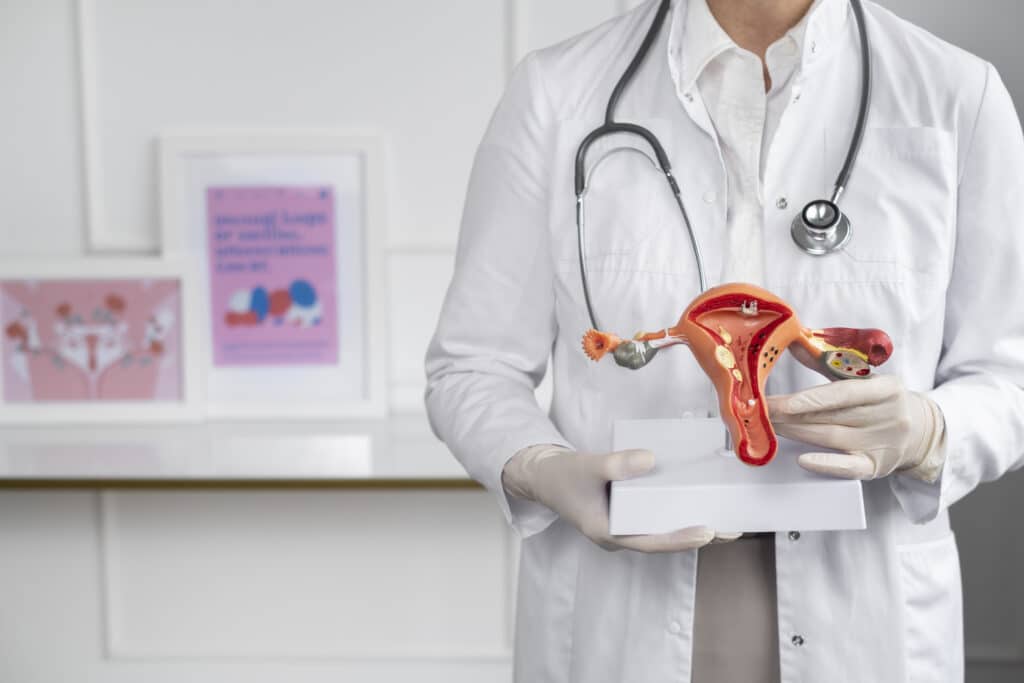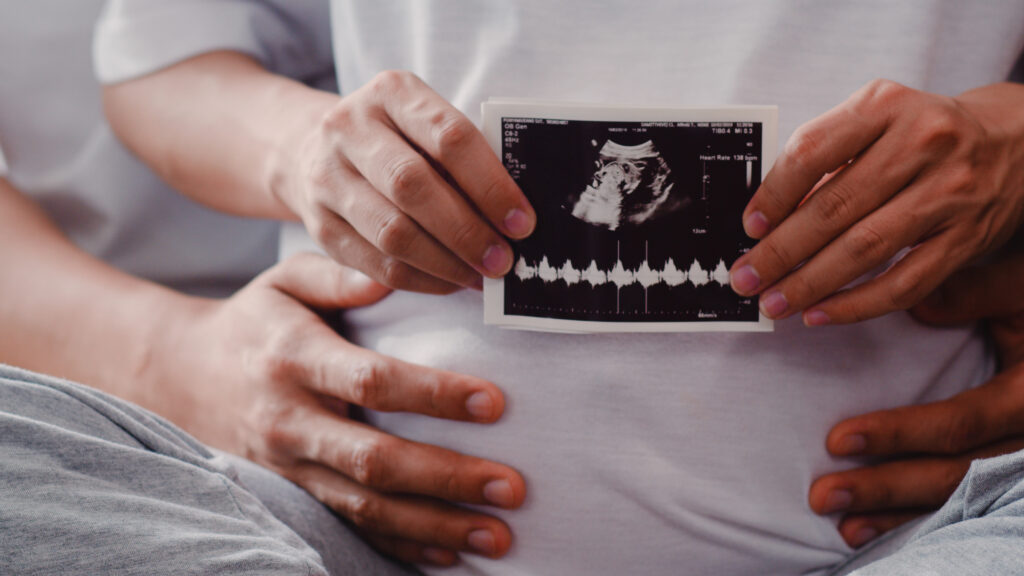



Pelvic pain is one of the most common reasons women seek medical advice. While occasional discomfort around menstruation may be considered normal, persistent or severe pelvic pain should never be ignored. The pelvic region contains several important organs, including the uterus, ovaries, fallopian tubes, bladder, and parts of the digestive tract. Because multiple systems are located in this area, identifying the exact cause of pain can sometimes be challenging.
For some women, pelvic pain is mild and intermittent. For others, it can interfere with work, exercise, sleep, relationships, and daily activities. Understanding the potential causes of pelvic pain in women can help determine when medical evaluation is necessary and what treatment options may be available.
What Is Pelvic Pain?
Pelvic pain refers to discomfort felt in the lower abdomen or pelvis, typically below the belly button. The pain may be sharp, dull, cramping, aching, constant, or intermittent. Some women experience pain during specific activities such as walking, exercising, urinating, bowel movements, or sexual intercourse.
Pelvic pain can be classified as:
Acute Pelvic Pain
Pain that develops suddenly and lasts for a short period.
Chronic Pelvic Pain
Pain that persists for six months or longer and may vary in intensity over time.
Determining whether the pain is acute or chronic helps healthcare providers identify possible underlying causes and recommend appropriate treatment.
Common Causes of Pelvic Pain in Women
1. Menstrual Cramps (Dysmenorrhea)
One of the most frequent causes of pelvic pain symptoms is menstrual cramping. During menstruation, the uterus contracts to shed its lining. These contractions can cause pain ranging from mild discomfort to severe cramping.
Common signs include:
- Lower abdominal cramping
- Back pain
- Thigh pain
- Nausea or fatigue during menstruation
Although menstrual cramps are common, severe pain that disrupts daily life may indicate an underlying condition such as endometriosis or adenomyosis.
2. Endometriosis
Endometriosis occurs when tissue similar to the uterine lining grows outside the uterus. These growths can be found on the ovaries, fallopian tubes, bladder, intestines, or other pelvic structures.
Common symptoms include:
- Severe menstrual pain
- Chronic pelvic pain
- Pain during intercourse
- Pain during bowel movements
- Difficulty becoming pregnant
Because symptoms often overlap with other conditions, endometriosis may remain undiagnosed for years. Early evaluation can help improve symptom management and quality of life.
3. Ovarian Cysts
Ovarian cysts are fluid-filled sacs that develop on or within the ovaries. Many ovarian cysts cause no symptoms and resolve naturally. However, larger cysts may cause:
- Pelvic pressure
- Lower abdominal pain
- Bloating
- Pain during physical activity
In some cases, a cyst may rupture or twist the ovary, causing sudden severe pain that requires immediate medical attention.
4. Pelvic Inflammatory Disease (PID)
Pelvic inflammatory disease is an infection affecting the female reproductive organs. It often develops when bacteria travel from the vagina into the uterus, fallopian tubes, or ovaries.
Symptoms may include:
- Pelvic pain
- Fever
- Abnormal vaginal discharge
- Pain during intercourse
- Irregular bleeding
If left untreated, PID can lead to long-term complications, including infertility and chronic pelvic pain.
5. Uterine Fibroids
Fibroids are non-cancerous growths that develop within the uterus. They are common among women of reproductive age and vary in size.
Possible symptoms include:
- Pelvic pressure or pain
- Heavy menstrual bleeding
- Frequent urination
- Lower back pain
- Abdominal swelling
While many fibroids do not require treatment, larger fibroids may cause significant discomfort and affect daily activities.
6. Adenomyosis
Adenomyosis occurs when tissue that normally lines the uterus grows into the muscular wall of the uterus.
Women with adenomyosis may experience:
- Severe menstrual cramps
- Heavy menstrual bleeding
- Pelvic tenderness
- Enlarged uterus
- Chronic pelvic pain
Symptoms often worsen with age and may significantly impact quality of life.
7. Urinary Tract Conditions
Not all pelvic pain originates from reproductive organs. Urinary tract problems can also cause discomfort in the pelvic region.
Common examples include:
Urinary Tract Infections (UTIs)
Symptoms often include:
- Burning during urination
- Frequent urination
- Pelvic pressure
- Cloudy urine
Interstitial Cystitis
Also known as painful bladder syndrome, this condition causes:
- Chronic bladder discomfort
- Frequent urination
- Pelvic pain
- Pressure in the lower abdomen
8. Gastrointestinal Disorders
Certain digestive conditions may mimic gynecological pain.
These include:
- Irritable bowel syndrome (IBS)
- Inflammatory bowel disease
- Diverticulitis
- Chronic constipation
Patients may experience bloating, cramping, changes in bowel habits, and lower abdominal discomfort that can be mistaken for gynecological issues.
9. Pregnancy-Related Causes
Pelvic pain during pregnancy should always be evaluated carefully.
Possible causes include:
- Normal ligament stretching
- Miscarriage
- Ectopic pregnancy
- Placental complications
Sudden severe pain during pregnancy requires immediate medical assessment.
10. Musculoskeletal Problems
Muscles, joints, ligaments, and nerves surrounding the pelvis can also contribute to pain.
Examples include:
- Pelvic floor dysfunction
- Hip joint disorders
- Lower back problems
- Nerve compression
These conditions may cause pain that worsens with movement, standing, or exercise.
When Should You See a Doctor?
Many women delay seeking care because they assume pelvic pain is simply part of their menstrual cycle. However, certain symptoms should prompt medical evaluation.
Seek medical attention if you experience:
- Severe or worsening pain
- Pain lasting several weeks
- Pain during intercourse
- Heavy or irregular bleeding
- Fever or chills
- Unexplained bloating
- Difficulty urinating
- Pain that interferes with daily activities
Early diagnosis often leads to more effective treatment and prevents complications.
How Is Pelvic Pain Diagnosed?
Diagnosing the causes of pelvic pain in women typically begins with a detailed medical history and physical examination.
Your healthcare provider may ask about:
- Timing of the pain
- Menstrual history
- Pregnancy history
- Sexual health
- Urinary symptoms
- Digestive symptoms
Additional investigations may include:
Pelvic Ultrasound
Used to evaluate:
- Ovarian cysts
- Fibroids
- Adenomyosis
- Other reproductive conditions
Laboratory Tests
Blood and urine tests can help identify:
- Infection
- Hormonal imbalances
- Inflammatory conditions
MRI Imaging
Provides detailed images of pelvic structures when additional evaluation is needed.
Diagnostic Procedures
In some cases, minimally invasive procedures such as hysteroscopy or laparoscopy may be recommended to identify conditions like endometriosis.
Pelvic Pain Treatment Options
The most effective pelvic pain treatment Dubai healthcare providers offer depends on the underlying cause.
Treatment options may include:
Medication
Depending on the diagnosis, treatment may involve:
- Anti-inflammatory medications
- Hormonal therapy
- Antibiotics
- Pain management medications
Lifestyle Modifications
Many women benefit from:
- Regular exercise
- Stress reduction
- Improved sleep habits
- Anti-inflammatory dietary choices
Physical Therapy
Pelvic floor therapy may help reduce pain caused by muscular dysfunction and improve overall pelvic health.
Minimally Invasive Procedures
Certain conditions such as ovarian cysts, fibroids, or endometriosis may require minimally invasive surgical treatment when conservative options are not sufficient.
Specialized Women’s Health Care
Working with an experienced women’s health specialist Dubai patients trust can help ensure an accurate diagnosis and individualized treatment plan.
Preventing Pelvic Pain
Although not all causes of pelvic pain can be prevented, several healthy habits may help reduce risk.
These include:
- Attending regular gynecological checkups
- Practicing safe sexual health
- Maintaining a healthy weight
- Staying physically active
- Seeking treatment for infections promptly
- Monitoring changes in menstrual patterns
Awareness of your body and early medical intervention can make a significant difference in long-term pelvic health.
Conclusion
Pelvic pain in women can arise from many different conditions, including menstrual disorders, endometriosis, ovarian cysts, infections, urinary tract problems, digestive issues, and musculoskeletal conditions. While some causes are temporary and manageable, others require timely medical attention to prevent complications and improve quality of life.
If you are experiencing persistent or unexplained pelvic pain symptoms, seeking professional evaluation is an important first step. At German Medical Center Dubai, our experienced specialists provide comprehensive assessments, advanced diagnostic services, and personalized treatment plans designed to identify the root cause of your discomfort and help you return to a healthier, more comfortable life.