

A fall can change an older person’s routine long before it causes an injury. Sometimes the first sign is quieter: holding the furniture while walking, avoiding the stairs, or turning down an outing because the ground may be uneven. These small adjustments can gradually reduce activity, strength, and independence.
The encouraging news is that falling is not an unavoidable part of ageing. Fall prevention for older adults begins with understanding why someone feels unsteady and addressing the factors that can be changed. Physiotherapy can play an important role by improving strength, balance, walking ability, and confidence in everyday movement.
Why does fall risk increase with age?
Balance depends on several systems working together. The eyes help us understand where we are. The inner ear senses movement. Muscles and joints make quick adjustments, while the brain processes all that information. A change in any part of this system can make recovery from a trip or sudden turn more difficult.
Age-related muscle loss, stiff joints, foot pain, reduced vision, dizziness, and slower reflexes may all contribute. So can arthritis, diabetes, heart or neurological conditions, and a drop in blood pressure after standing. Some medicines cause sleepiness, confusion, or light-headedness. At home, a loose rug, poor lighting, or a slippery bathroom can add one more risk.
According to the US National Institute on Aging, more than one in four people aged 65 and older fall each year, yet many falls can be prevented. That matters because a fall can cause a fracture, limit independence, and create a lasting fear of movement.
The confidence problem after a fall
After a stumble, it is natural to become careful. But there is a difference between sensible caution and avoiding movement altogether. Someone who stops walking outdoors or relies heavily on other people may lose leg strength and balance reactions. Everyday tasks then feel harder, reinforcing the belief that activity is unsafe.
This cycle is one reason physiotherapy for older adults is about more than muscle power. A good programme creates safe opportunities to practise the exact movements a person has started to avoid. Progress might mean standing from a dining chair without pushing through both arms, turning comfortably in a narrow hallway, or walking to the local shop again. These gains restore trust in the body.
How physiotherapy supports fall prevention
Effective balance and mobility exercises start with an individual assessment. There is no single exercise plan that suits every older adult. A physiotherapist may ask about previous falls, near misses, dizziness, pain, medication, footwear, and the layout of the home. They can also assess:
- Walking speed, step length, and foot clearance
- Leg and core strength
- Ability to stand up, turn, and use stairs
- Balance with the feet in different positions
- Joint movement, sensation, and coordination
- Confidence during daily activities
The findings help identify what is limiting safe movement. They also provide a baseline, so improvement can be measured rather than guessed.
1. Building useful strength
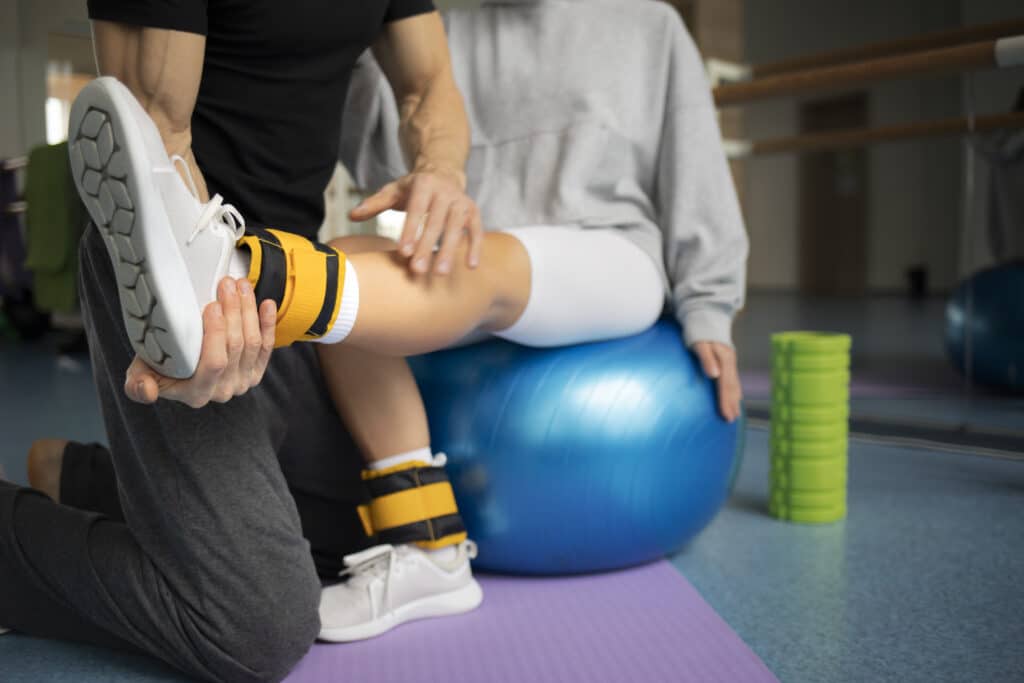
Strong legs help a person rise from a chair, climb a step, and recover when their weight shifts unexpectedly. Treatment may include sit-to-stand practice, supported heel raises, step-ups, or resistance exercises. The aim is not strenuous gym performance. It is strength that makes ordinary life easier.
Exercises are progressed carefully. A movement may begin with hand support, then with a lighter touch, and eventually without assistance when it is safe. This gradual challenge is central to geriatric physiotherapy in Dubai, especially for people returning to activity after illness, surgery, or a period of reduced mobility.
2. Retraining balance and reactions
Balance improves when it is practised. Depending on the assessment, balance exercises for seniors may include shifting weight from side to side, standing with a narrower base, stepping in different directions, reaching safely, or walking while changing speed. A physiotherapist chooses the right level of difficulty and stays close enough to keep practice safe.
These exercises train the body to make quicker, more accurate corrections. They may also include “dual-task” activities, such as walking while answering a simple question, because real life rarely asks us to balance in silence with no distractions.
3. Improving gait and everyday movement
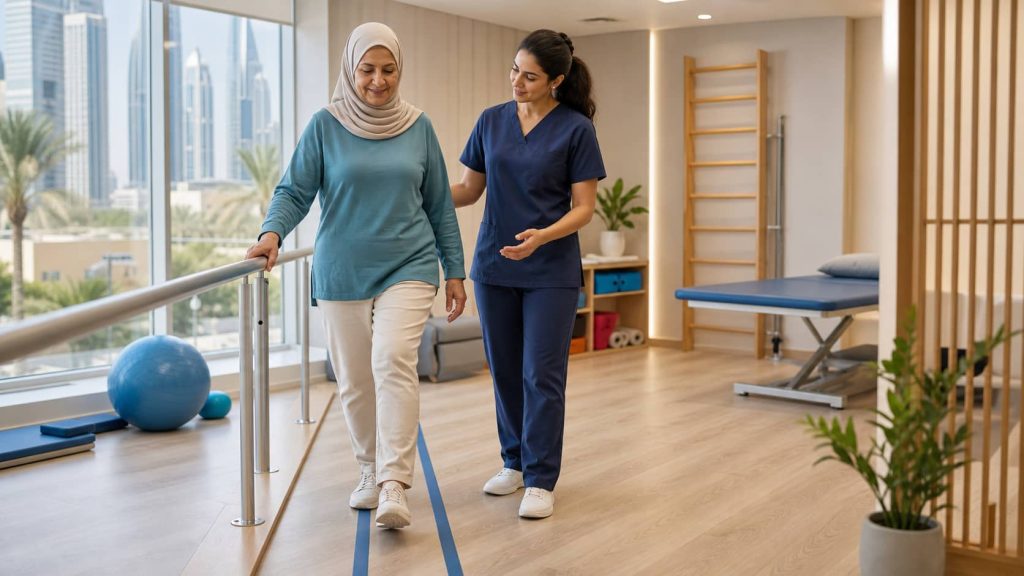
Some people take short, hesitant steps after a fall. Others do not lift one foot fully or struggle when turning. Gait training focuses on rhythm, posture, foot placement, and safe direction changes. If a cane or walker is needed, the physiotherapist can check its height and teach the person how to use it properly rather than simply leaning on it.
Practice should reflect the person’s life. That may mean navigating a kerb, getting in and out of a car, walking on a carpet, or carrying a light object. The closer therapy is to real situations, the more likely confidence will carry beyond the clinic.
4. Managing pain and stiffness
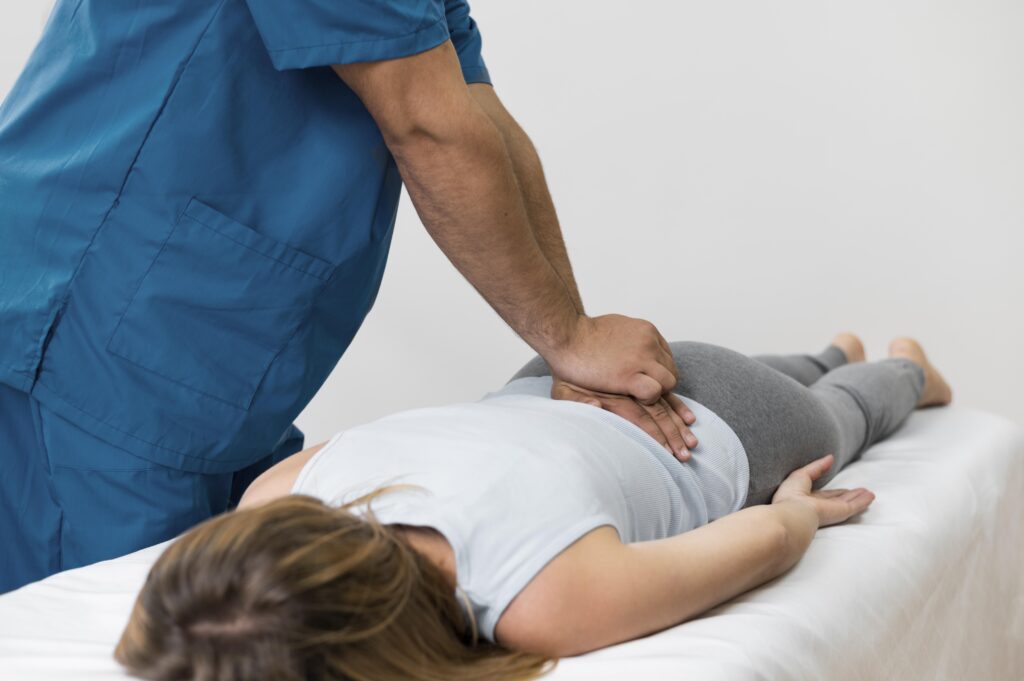
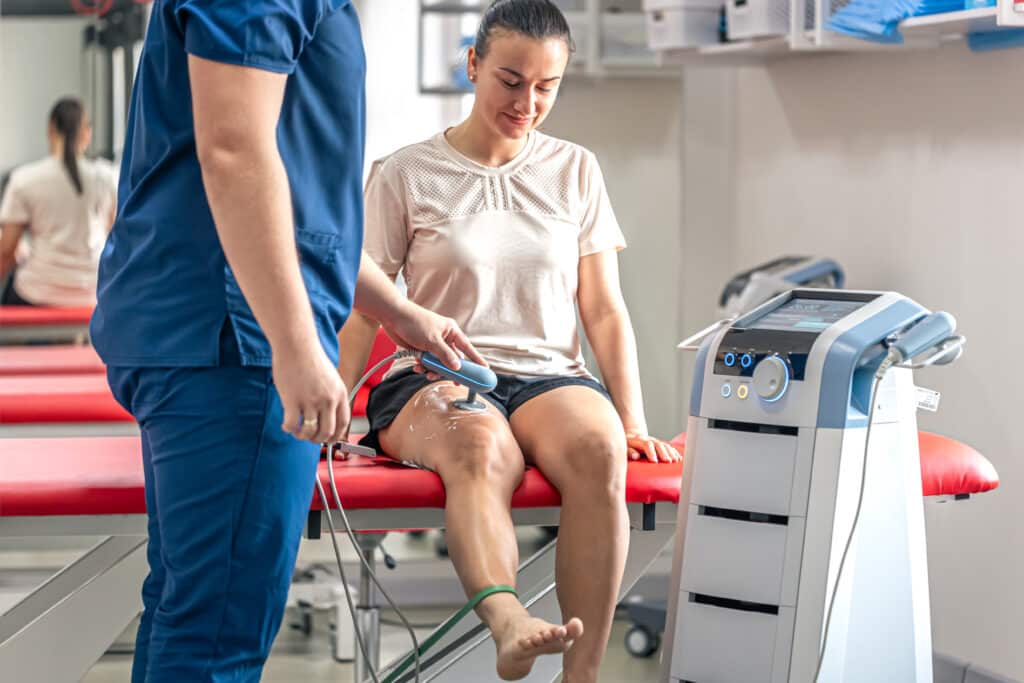
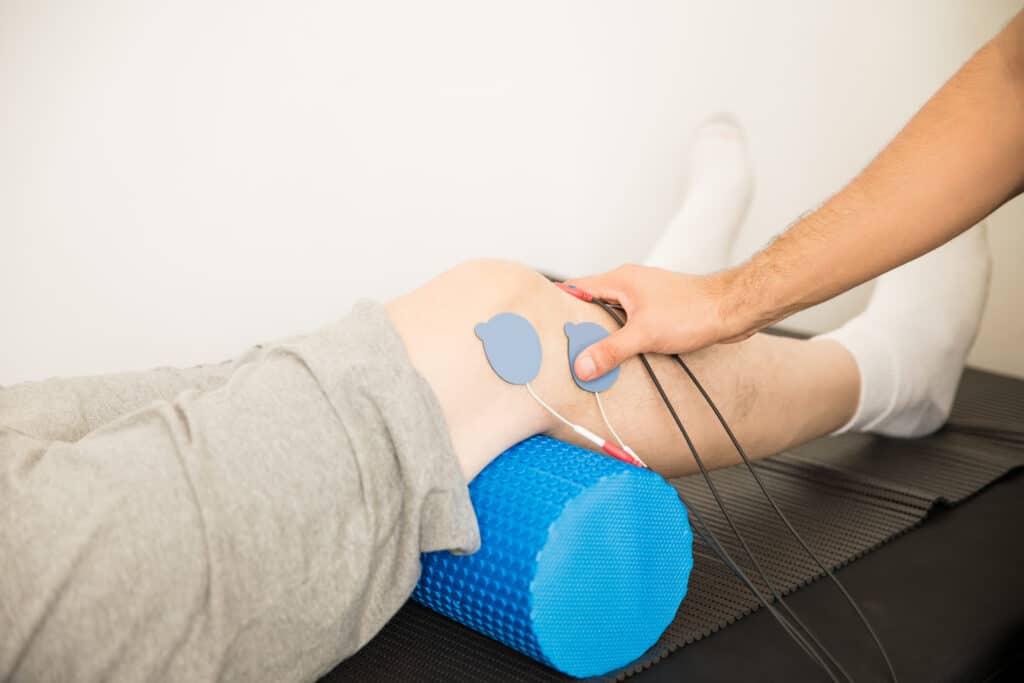
Knee, hip, back, or foot pain can change the way someone walks and make them less willing to move. Physiotherapy may combine therapeutic exercise, movement education, and appropriate hands-on techniques to improve comfort and function. When joint or bone problems require medical assessment, coordinated care with the Orthopedics Department can help address the underlying condition.
5. Creating a realistic home plan
A home programme works best when it fits naturally into the day. Rather than handing over a long list, a physiotherapist may link exercises to familiar routines: practising chair rises before lunch, heel raises at the kitchen counter, or supported balance work after brushing the teeth.
The plan should state how often to practise, what support to use, and when to stop. Exercises that are appropriate for one person may be unsafe for another, so older adults who are unsteady should not begin challenging balance drills alone.
Fall prevention also requires a wider health check
Exercise is powerful, but falls often have more than one cause. A complete plan may include a medication review, vision and hearing checks, suitable footwear, hydration, and a home safety review. Night lights, secure bathroom mats, clear walkways, handrails, and frequently used items within easy reach can make a meaningful difference.
New or worsening unsteadiness deserves medical attention. The Internal Medicine Department can assess concerns such as dizziness, blood-pressure changes, infection, or medication effects. People managing diabetes, thyroid disease, or osteoporosis may also benefit from the Endocrinology Department. A sudden loss of balance, facial droop, weakness, severe headache, chest pain, or fainting requires urgent medical care.
When should an older adult see a physiotherapist?
Do not wait for a serious fall. Consider an assessment if an older adult has fallen in the past year, has had several near misses, feels unsteady, reaches for walls or furniture, struggles to stand from a chair, or has reduced activity because of fear. Physiotherapy can also help after a fracture, joint surgery, hospital stay, or noticeable decline in walking.
At German Medical Center, the Physiotherapy Department provides personalised rehabilitation for mobility issues, chronic pain, musculoskeletal conditions, neurological concerns, and post-surgical recovery. Working with the centre’s wider medical team allows the plan to reflect both movement goals and relevant health conditions.
A steadier future starts with the right first step
The goal of fall prevention for older adults is not to remove every challenge or ask someone to live cautiously. It is to build the physical ability and practical confidence needed to remain active. With targeted strength work, progressive balance exercises for seniors, gait practice, and sensible changes at home, everyday movement can feel manageable again.
If you or a family member has become less steady, an individual physiotherapy assessment can identify the reasons and provide a clear, safe way forward. Book an appointment with German Medical Center in Dubai Healthcare City to begin a plan shaped around the activities that matter most to you.
This article is for general education and does not replace an individual medical assessment.