


Neck pain has quietly become one of the most common health concerns among professionals in Dubai. It rarely begins with a sudden injury. Instead, it builds over time—through long hours at a desk, constant screen exposure, and repetitive movements that strain the muscles and joints of the neck.
For many office workers, what starts as mild stiffness can gradually develop into persistent discomfort, reduced mobility, and even chronic pain. In more advanced cases, it may evolve into repetitive strain injuries (RSI), affecting not just the neck but also the shoulders, arms, and upper back.
Understanding the root causes of this issue is the first step toward effective treatment—and this is where physiotherapy plays a crucial role.
Why Neck Pain Is So Common Among Office Workers
Modern work environments demand prolonged sitting and screen time. While technology has made work more efficient, it has also introduced new physical challenges.
One of the main contributors to neck pain is poor posture. When the head leans forward toward a screen for extended periods, it places significant strain on the cervical spine. Over time, this unnatural position causes muscle fatigue, tension, and imbalance.
Another major factor is the lack of movement. Sitting in the same position for hours reduces blood circulation and limits joint mobility, leading to stiffness and discomfort.
Repetitive tasks—such as typing, using a mouse, or constantly checking a phone—can also lead to micro-injuries in the muscles and tendons. These repetitive stresses are often the beginning of RSI.
Stress and fatigue further worsen the condition. Many people unknowingly tighten their neck and shoulder muscles during periods of mental strain, contributing to chronic tension.
Common Causes of Neck Pain in Office Workers
Neck pain rarely has a single cause. It is usually the result of multiple factors working together over time.
One of the most common causes is forward head posture. When the head shifts even a few centimeters forward, the pressure on the neck increases significantly. This added strain can lead to muscle tightness and joint stress.
Improper workstation setup is another key contributor. Screens placed too low or too high, non-ergonomic chairs, and poorly positioned keyboards all force the body into awkward positions.
Muscle imbalances also play a role. Weak upper back muscles combined with tight chest muscles can pull the shoulders forward, placing additional stress on the neck.
Lack of physical activity is often overlooked. Without regular movement and strengthening exercises, the muscles that support the spine become weak and less capable of handling daily strain.
Finally, repetitive strain injuries develop when the same movement is repeated over long periods without adequate rest. This is especially common in jobs that involve constant typing or precision work.
Understanding Repetitive Strain Injuries (RSI)
RSI is a broad term used to describe pain and dysfunction caused by repetitive movements and overuse. While it often affects the wrists and hands, it can also involve the neck and shoulders.
In office settings, RSI typically develops gradually. Early symptoms may include mild discomfort, tingling, or fatigue in the neck and upper limbs. Without intervention, these symptoms can worsen, leading to chronic pain, reduced strength, and limited mobility.
RSI is not just a physical issue—it can also impact productivity and quality of life. Many individuals find it difficult to focus or perform daily tasks when dealing with persistent pain.
This is why early diagnosis and treatment are essential.
Signs You Should Not Ignore
Neck pain can present in different ways, and recognizing early warning signs can prevent more serious complications.
Persistent stiffness or soreness in the neck is often the first indicator. Some individuals may experience headaches that originate from the base of the skull, commonly referred to as tension headaches.
Reduced range of motion is another common symptom. Turning the head may feel restricted or uncomfortable.
In more advanced cases, pain may radiate to the shoulders or arms. Tingling or numbness can also occur if nerves are affected.
Ignoring these symptoms can lead to chronic conditions that are more difficult to treat. Seeking professional care early can make a significant difference.
How Physiotherapy Helps Relieve Neck Pain
Physiotherapy is one of the most effective and non-invasive approaches to treating neck pain and RSI.
Rather than simply masking the symptoms, physiotherapy focuses on identifying and addressing the underlying causes of pain.
A personalized treatment plan is typically developed based on the patient’s condition, lifestyle, and work habits.
Manual therapy techniques are often used to reduce muscle tension and improve joint mobility. These hands-on approaches help restore normal movement and relieve discomfort.
Targeted exercises are another essential component. Strengthening weak muscles and stretching tight areas can correct imbalances and support proper posture.
Postural correction is a key focus in physiotherapy for office workers. Small adjustments in daily habits—such as screen height and sitting position—can significantly reduce strain on the neck.
Education also plays an important role. Patients are guided on how to maintain proper posture, take regular breaks, and perform simple exercises throughout the day.
RSI Treatment in Dubai: A Comprehensive Approach
Effective RSI treatment requires a combination of strategies tailored to the individual.
Physiotherapy clinics in the UAE offer structured programs that address both the symptoms and the root causes of RSI.
Treatment often begins with a detailed assessment to identify movement patterns, muscle imbalances, and ergonomic factors contributing to the condition.
Therapeutic exercises are designed to improve strength, flexibility, and coordination. These exercises help the body adapt to daily demands and reduce the risk of further injury.
Ergonomic advice is also provided to optimize the workplace setup. Adjusting chair height, monitor position, and keyboard placement can have a significant impact on reducing strain.
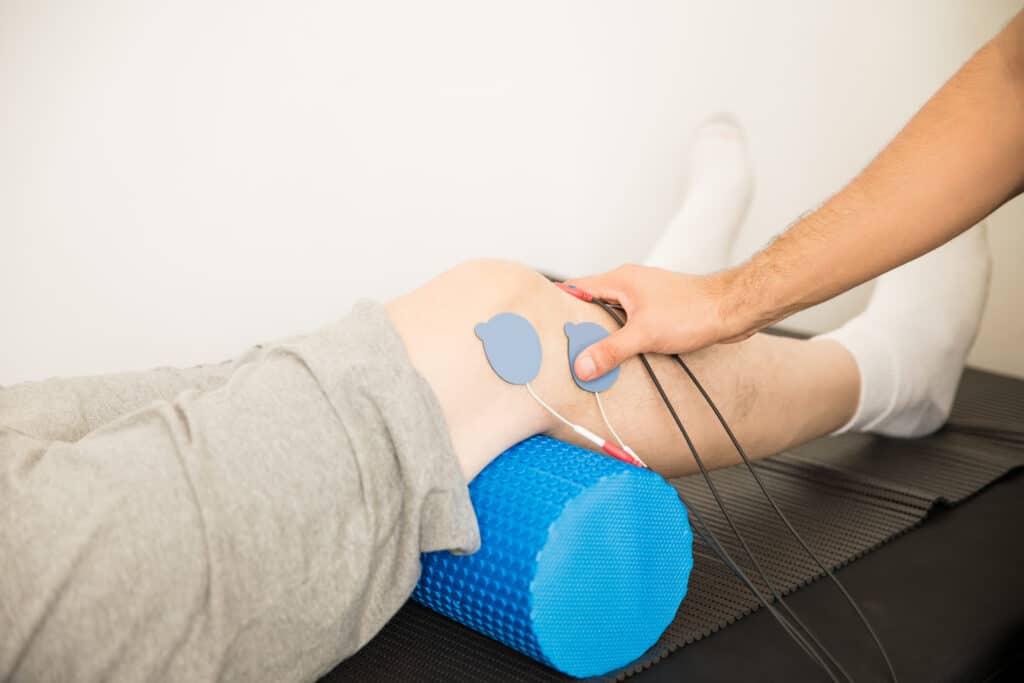
In some cases, advanced techniques such as dry needling, ultrasound therapy, or electrotherapy may be used to accelerate recovery.
The goal is not only to relieve pain but also to prevent recurrence.
Simple Neck Pain Relief Exercises
Incorporating basic exercises into your daily routine can help manage and prevent neck pain.
Gentle neck stretches can improve flexibility and reduce tension. Slowly tilting the head from side to side and holding the position for a few seconds can provide relief.
Shoulder rolls are another effective exercise. Rolling the shoulders backward helps release tension and improve posture.
Chin tucks are particularly beneficial for correcting forward head posture. This exercise strengthens the deep neck muscles and aligns the spine.
Regular movement is equally important. Taking short breaks every 30 to 60 minutes to stand, stretch, or walk can reduce stiffness and improve circulation.
Consistency is key. Even a few minutes of daily exercise can make a noticeable difference over time.
Preventing Neck Pain in the Workplace
Prevention is always better than treatment. Making small changes to your daily routine can significantly reduce the risk of developing neck pain.
Start by optimizing your workstation. Ensure that your screen is at eye level and your chair supports your lower back. Your feet should rest flat on the floor, and your arms should be positioned comfortably while typing.
Maintain awareness of your posture throughout the day. Keeping the head aligned with the spine and avoiding slouching can reduce strain on the neck.
Incorporate regular breaks into your schedule. Even short pauses can help reset your posture and relieve muscle tension.
Staying active outside of work is also important. Regular exercise strengthens the muscles that support the spine and improves overall health.
Managing stress can further reduce muscle tension. Techniques such as deep breathing or mindfulness can help relax the body.
When to See a Physiotherapy Specialist
While occasional discomfort may resolve on its own, persistent or worsening pain should not be ignored.
If neck pain lasts more than a few days, interferes with daily activities, or is accompanied by numbness or weakness, it is important to seek professional care.
Early intervention can prevent minor issues from becoming chronic conditions.
A qualified physiotherapy specialist can assess the condition, identify the underlying causes, and provide a tailored treatment plan.
Final Thoughts
Neck pain among office workers is more than just a minor inconvenience—it is a growing health concern that can affect productivity, well-being, and quality of life.
The good news is that it is both treatable and preventable. With the right approach, including physiotherapy, ergonomic adjustments, and regular exercise, most individuals can achieve lasting relief.
For those experiencing persistent discomfort, seeking expert care at a trusted physiotherapy clinic in the UAE can make all the difference. Addressing the issue early not only relieves pain but also helps restore balance, movement, and overall health.